In conversation w/ STURDY
NOVEMBER 5, 2026

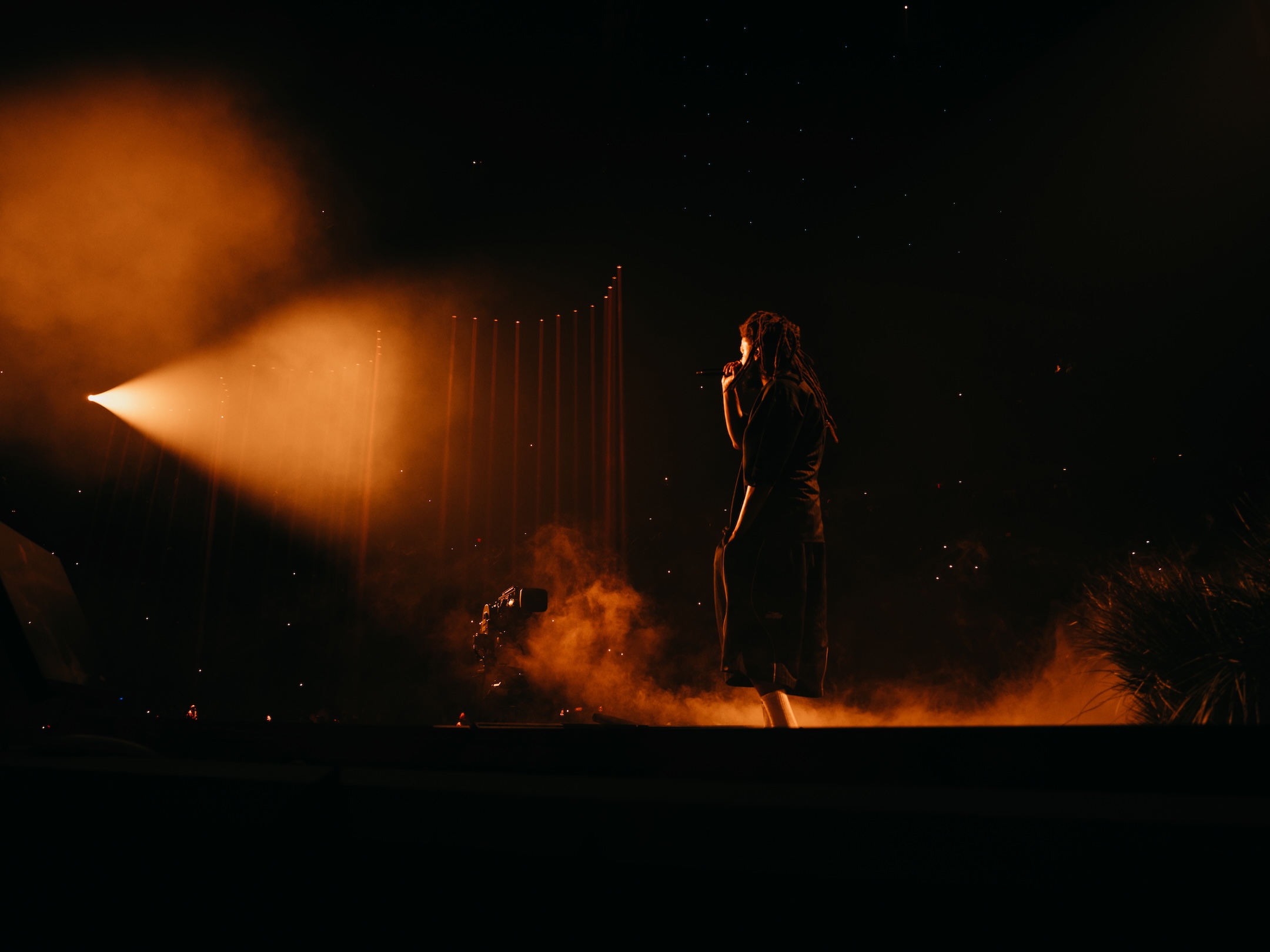
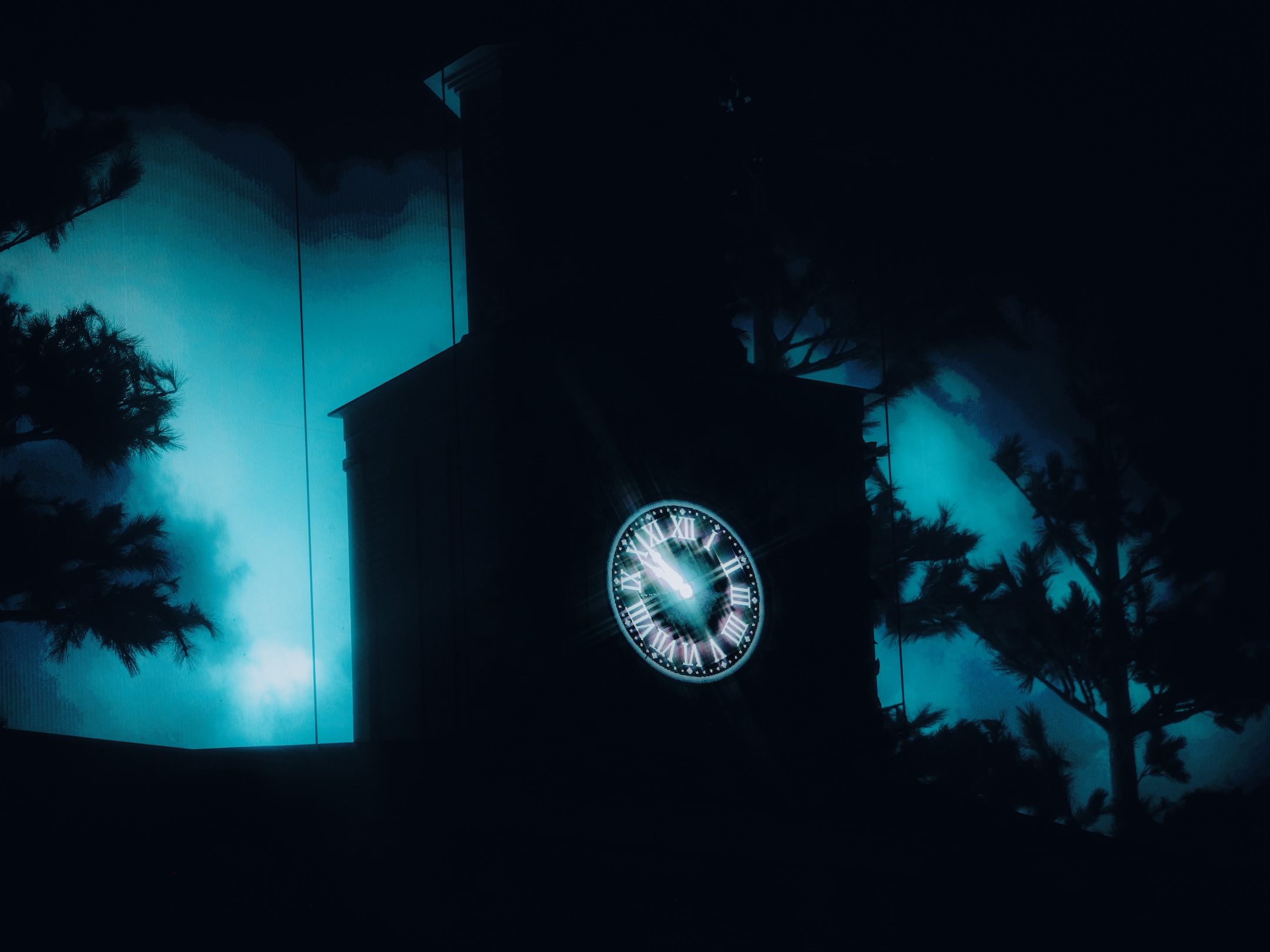
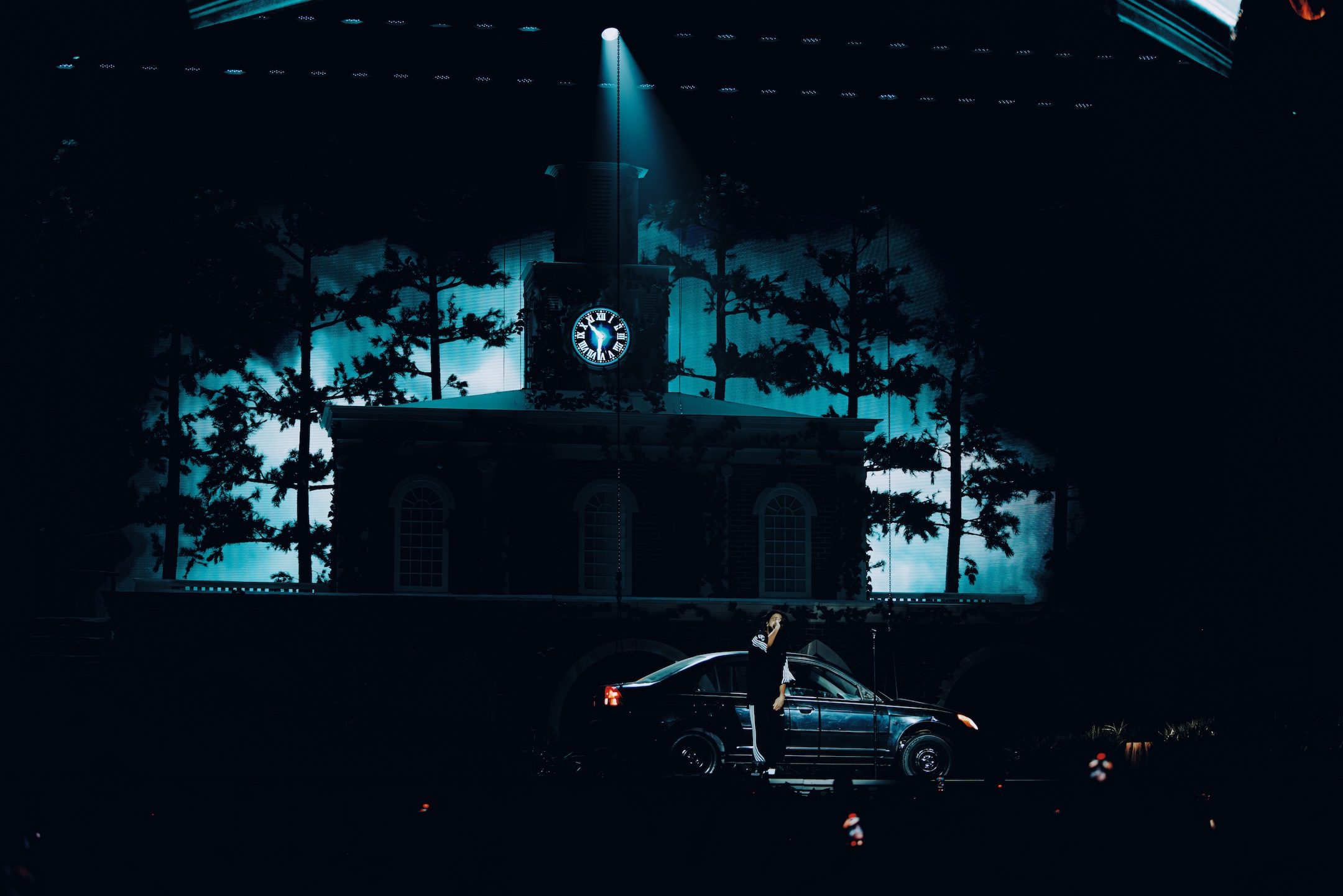
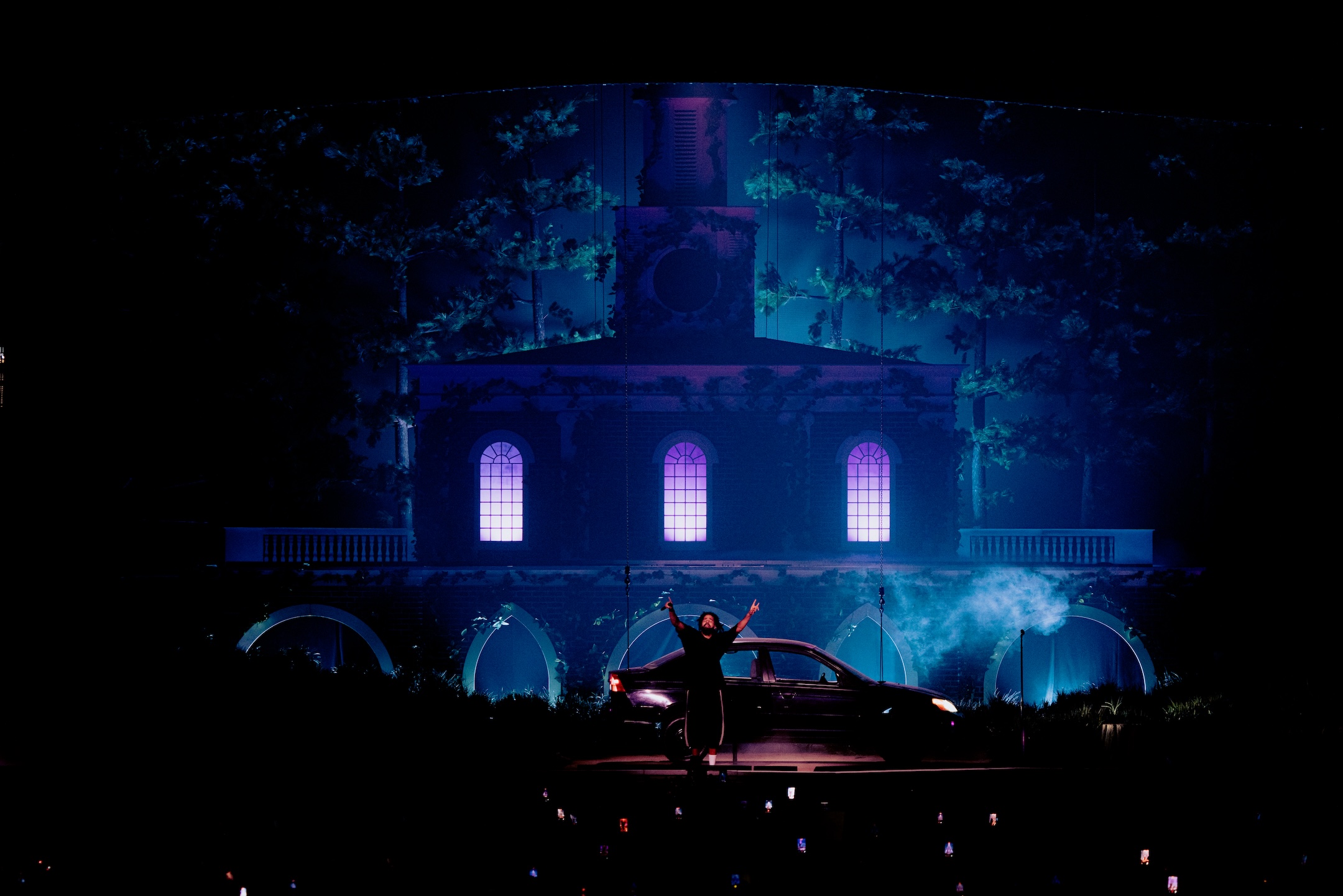
Few artists bring a piece of their hometown to a stage thousands of miles away. For J. Cole’s latest tour, STURDY has done just that, recreating Fayetteville’s Market House, a landmark deeply tied to his North Carolina roots, as a theatrical world that audiences can almost step inside.
Founded in Los Angeles in 2018 by six creatives from across the music industry, STURDY has built a reputation for bringing ambitious ideas to life, working across live production, tours, brand experiences and merchandise. But the J. Cole production speaks to something more specific about the studio’s approach, a commitment to research, collaboration and creating work that feels rooted in something real. Working closely with an artist involved in every detail, from the initial concept to the lighting programming, the team set out to build more than a stage set. Every element had to mean something.
As the tour makes its way across Europe, audiences will encounter a building many may never have heard of. That’s part of the appeal. We caught up with STURDY to talk about bringing Fayetteville to the stage, working alongside an artist with such a clear vision, and what comes next for the studio.

PHOTOGRAPHY YURIY BARANOV
STURDY was started in LA in 2018 by six of you. How did you come together, and what does each of you bring that shapes a show like this one?
We all came from different areas of the music industry and naturally came together in 2018. Since then, our focus has been on growing and evolving STURDY into a company that operates across multiple sectors, rather than concentrating solely on live shows. Each of us is building and developing our own teams in different areas of the business.
Your work runs from tours to brand experiences and even merch, like the Red Bull Chapters capsule. Where does STURDY see itself going next, and is fashion part of that?
Fashion shows are definitely an area we’re looking to expand into. We’re passionate about fashion and have a genuine appreciation for the creativity and production that goes into it, so we’re exploring how we can bring our perspective to the space and carve out our own place within it.
How did you approach translating the history and significance of Fayetteville’s Market House into a stage design, and what do you hope audiences take away from experiencing the world you’ve created?
This was a close collaboration with J. Cole himself, who is incredibly involved in the creative process and wanted to create something that felt deeply personal and authentic to him. That naturally led us to the iconic Fayetteville landmark, a building with a rich history and strong ties to the local community, and exploring how we could maximise its scale and bring it to life.
We spent a lot of time researching the building itself, understanding its history, its architectural details and what it represents. It was important to us that North Carolina was portrayed in a way that felt genuine and specific to the place, rather than relying on generalisations or familiar tropes. That meant paying close attention to every detail and making sure each creative decision had meaning. That level of care is central to how we approach every project we take on.


What did J. Cole bring to the creative process, particularly when it came to representing his hometown and personal history on such a large scale?
He wanted to offer a different perspective on the Market House, so it wasn’t simply about recreating the building itself. The idea was to place it in a different time and setting, imagining it outside of the present day and creating a world around it. Once we had established that concept, we worked through what it would take to bring it to life, from the overall treatment to the specific look and feel.
That level of involvement carries through into rehearsals, too. He’s incredibly hands-on at every stage, particularly when it comes to the lighting programming, which is really impressive to see. He’s committed to making sure every beat of every song is considered and carefully crafted, with no detail overlooked. That attention to detail is what makes the whole experience so special.
You’ve deliberately moved away from the screen-heavy approach that has become so common in arena tours. Why was it important to make this production feel more physical and theatrical?
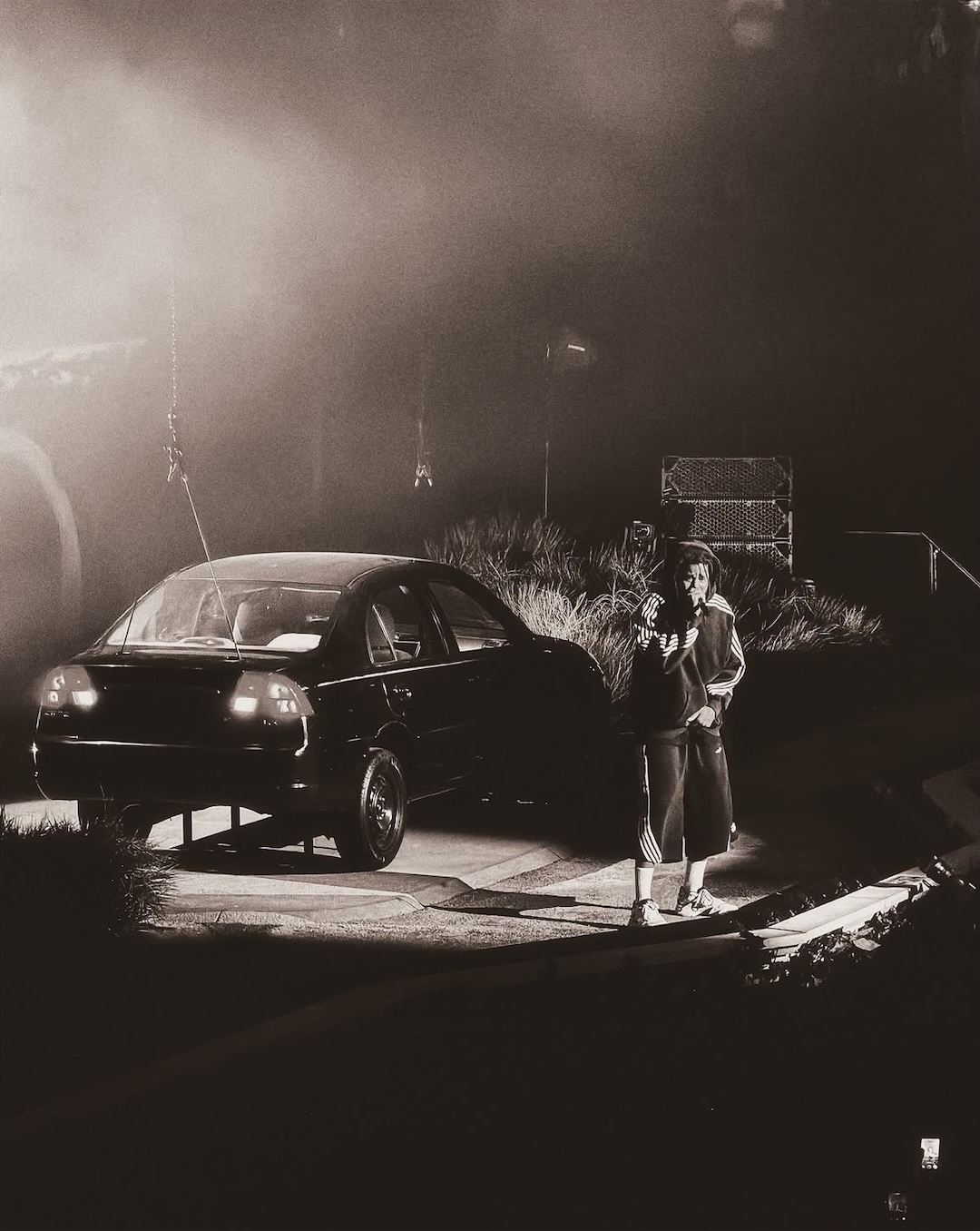
From the outset, we wanted to take a very theatrical approach. It was important that the set felt tactile and grounded in reality, almost like a real place you could step into. While the Market House itself is a real building, we wanted to create a world around it that felt equally authentic, something that existed beyond the stage and could have been somewhere in real life.
We also wanted the production to stand apart from anything else out there. This was about making a statement, J. Cole is one of the greatest rappers and artists in the world, and we wanted the scale of the production to reflect that. Rather than taking a minimal approach, we wanted to demonstrate the thought, ambition and attention to detail that had gone into the show. Every element had a purpose, and the concept needed to have real depth and meaning behind it.
The tour now moves to the UK and Europe, where most of the audience won’t know the building or its history. How do you hope the story comes across to people seeing it for the first time?
We hope it makes people curious, that they start asking questions about what it is and why it’s there, and are inspired to go away and do their own research. How often does an artist bring such a significant piece of their hometown to a stage so far from home? For us, it goes far beyond the physical structure itself. It speaks to how much J. Cole cares about sharing where he comes from and making sure that everyone who walks into the room, wherever in the world they may be, has the opportunity to understand the meaning and history behind it.