In conversation w/ ELLI ACULA
NOVEMBER 16, 2026
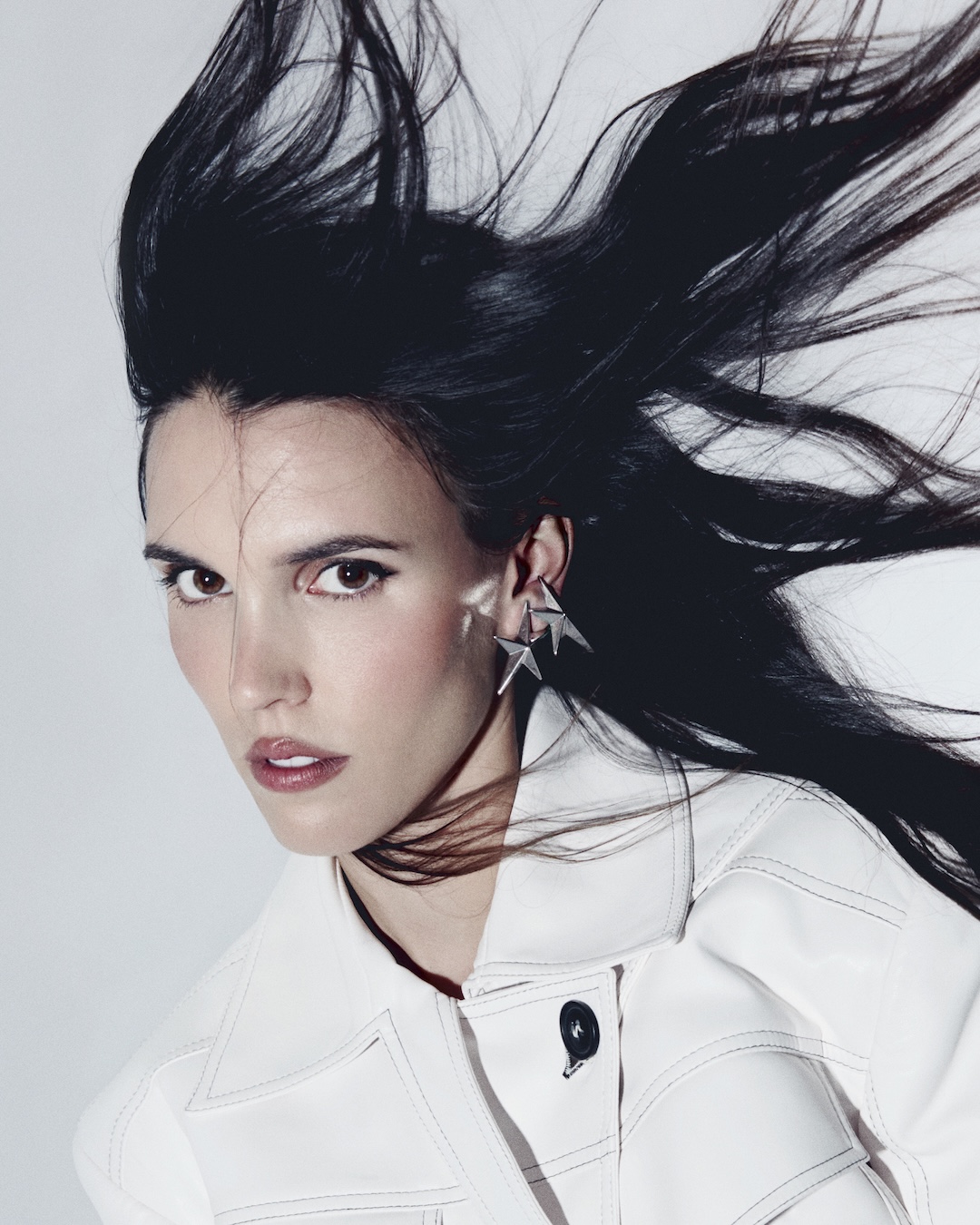
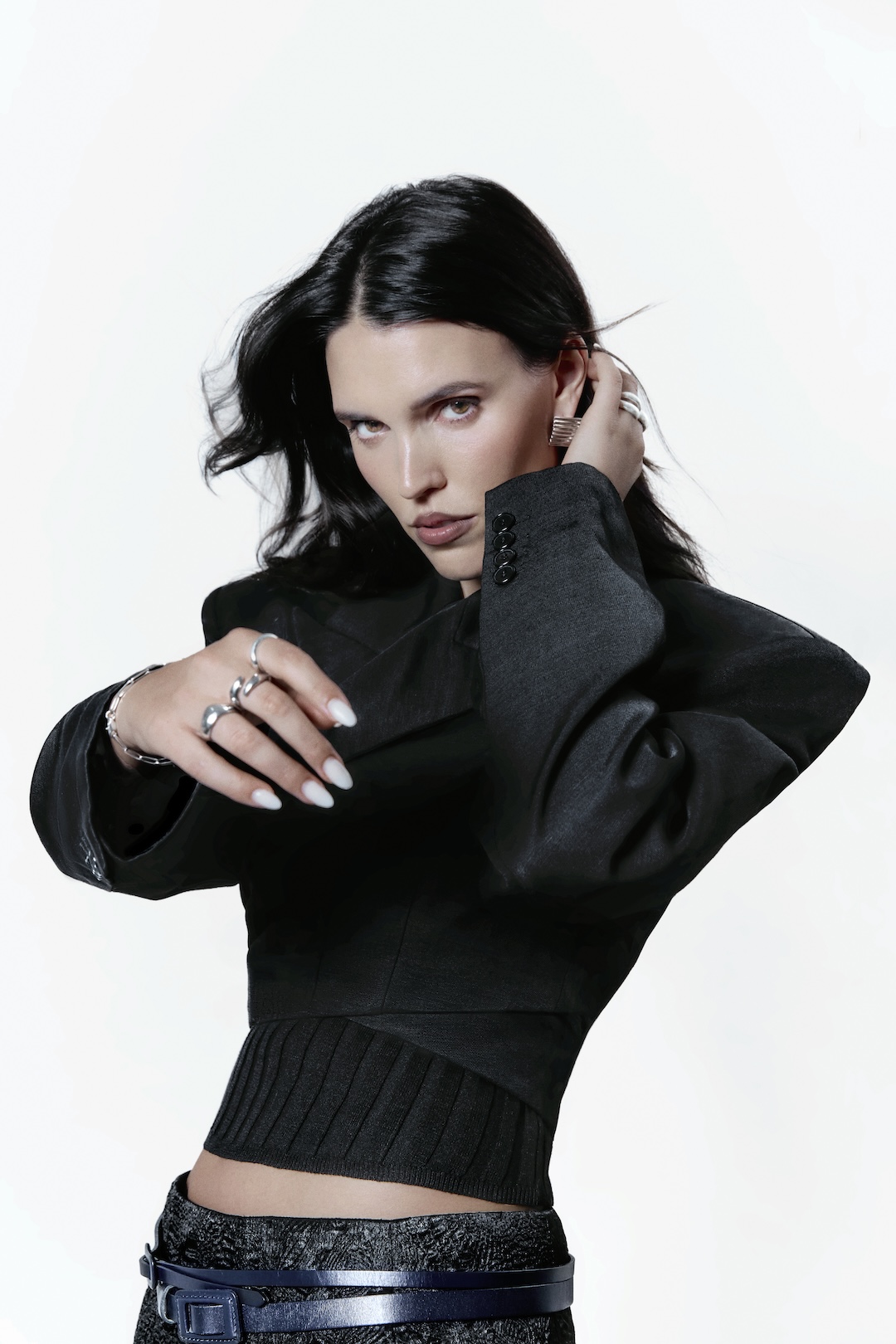
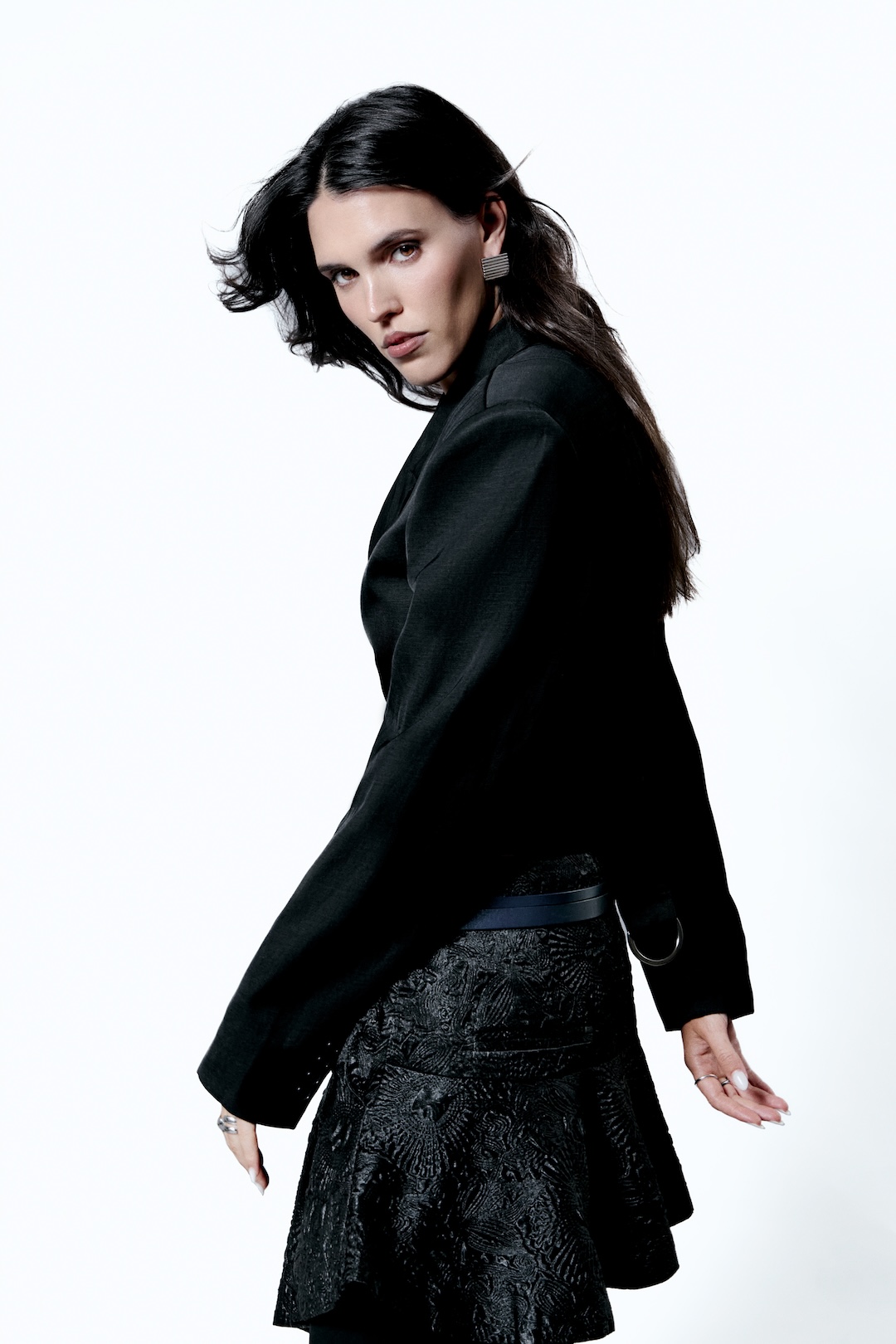
Berlin based DJ, producer and creative force Elli Acula has established herself as one of the exciting names in contemporary electronic music. Cutting her teeth playing extended late-night vinyl sets in Berlin’s underground clubs, she has since taken her sound to internationally renowned dancefloors including Berghain, fabric and Glastonbury, alongside her own international video event series called Euphoria Sessions.
A founding member and creative director of the influential CROWD Records and SPANDAU20 collective, Elli has played an important role in shaping the next generation of Berlin’s electronic music community. Her productions include a standout collaboration with FJAAK and Steffi, alongside releases on SPANDAU20, Hypercolour and fabric Records. Now entering an exciting new chapter, she makes her debut on the fabric Originals label this Friday, 13th November, with her first ever solo EP, ‘New Day’, featuring a remix from Chris Liebing. The release will be followed by another landmark moment on 14th November, when she takes to the fabric stage for her first-ever live hardware show, bringing her studio explorations to life in a brand-new performance format.
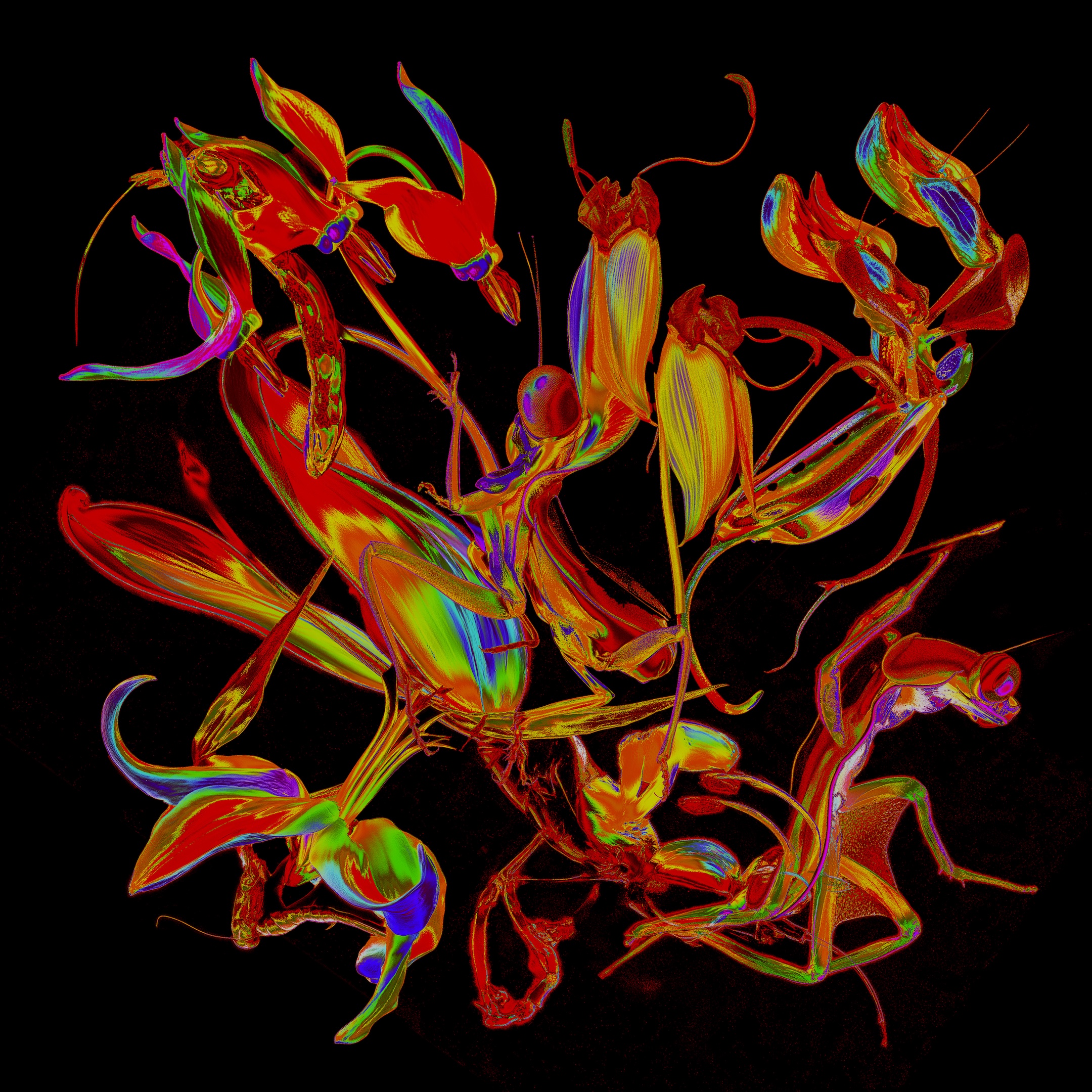
You’ve spent years building an international reputation as a DJ, but with New Day and your first hardware-only live show, you’re stepping into a different kind of artistic identity. Do you feel you’re becoming a different version of yourself creatively, or is this the version of Elli Acula you’ve always wanted people to see?
I think it’s a natural evolution for me. Producing music, releasing my own tracks and developing my sound have been part of my artistic identity for years.
I’ve absorbed so much from playing clubs and festivals around the world, and those experiences have always found their way back into my productions. With “New Day”, my first solo EP on fabric Originals, and my upcoming hardware-only live debut, different parts of my artistic journey are coming together in a new way. I’m not becoming a different artist. I’m just giving more space to the artist I’ve always been.
You’ve described the four tracks on New Day as emotions and experiences you couldn’t leave behind on the dancefloor. What was happening in your life when those feelings began finding their way into your music, and has producing become a way of understanding parts of yourself that are harder to express outside the studio?
Sometimes I’ll leave a club with such a strong feeling that I can almost hear the track I wish existed. I know what it should sound like, what it should do to the room, even though I haven’t made it yet.
That’s how “Right Now” came about. I had just played Bassiani in Tbilisi for the first time and ended up staying until midday, when I had to leave for my flight. I was completely fascinated by the place. The sound, the architecture, the people, the atmosphere. I had this very specific feeling that seemed to belong to that place.
I went straight from the club to the airport and started sketching the track in Ableton on the plane. For a long time, the working title was “Georgian Air”.
For me, some feelings are too powerful to leave on the dancefloor, so I want to give them another life through music.
Your first hardware-only live performance at fabric places you in a more exposed position, creating and manipulating music in real time without the familiar structure of a DJ set. What excites you most about surrendering some of that control, and is there something liberating about allowing an audience to witness the imperfections and unpredictability of the creative process?
What excites me most is bringing my live set into the environment that inspired so much of it. Producing is quite an introverted process for me. I spend hours in the studio, trying things out, following ideas and building something that initially exists only in my head. I still remember the first times I played my own productions in a club. There’s something almost surreal about hearing an idea that started in your head suddenly become part of a room full of people.
With the live show, I get to experience that connection differently. I can react to the energy in the room, change details as I go and allow each performance to develop in its own way.
That’s also something I’ve always loved about the dancefloor. No matter how much experience you have, there’s still something you can’t predict.
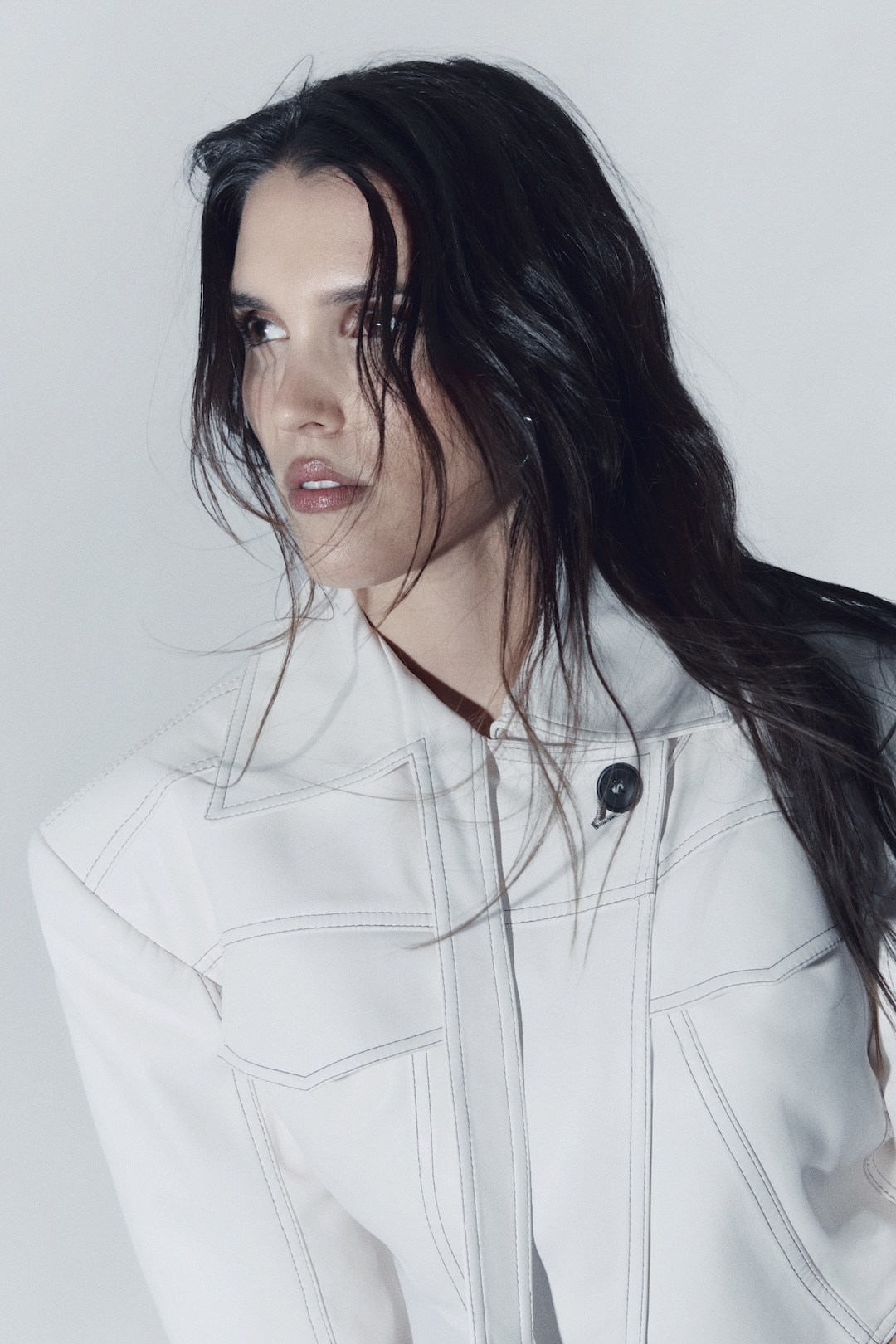
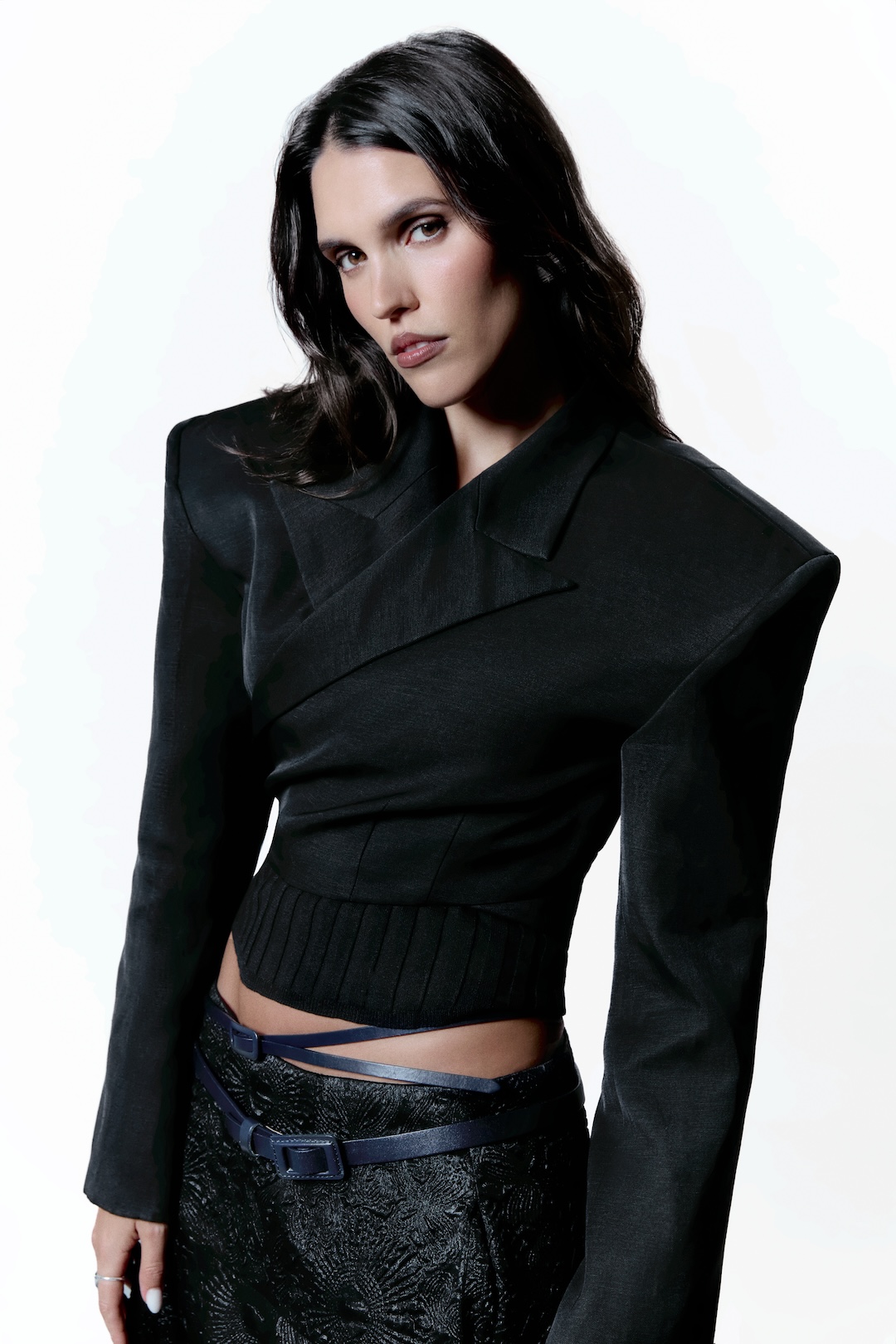
Berlin has been central to your artistic identity, from collecting vinyl as a teenager to playing extended sets in its underground clubs and eventually building your own creative platforms. How has your relationship with the city changed as your career has grown, and do you ever feel a tension between the Berlin that shaped you and the city it is becoming?
Berlin taught me that you don’t have to wait for someone to give you permission to create something.
As teenagers, we went to underground raves, started putting on our own and built friendships through music. There was this incredible sense of freedom. People came from different backgrounds and lived completely different lives, but somehow we found each other through music.
That environment shaped the way I think about being an artist. You don’t have to accept the culture around you exactly as it is. You can contribute to it, challenge it and build something of your own.
Of course Berlin has changed, but I’m not particularly interested in romanticising the past. The city gave me an enormous amount, and I’d rather carry that with me, share it and focus on what our generation can add to its story.
I don’t think you preserve techno culture by keeping it exactly as it was. It stays alive because people keep creating, while honouring its roots.
New Day moves between darkness, euphoria, vulnerability and physical intensity, challenging the idea that techno is purely functional dance music. Why do you think people are drawn to emotionally intense experiences in clubs, and have you ever had a moment on a dancefloor that genuinely changed the way you understood yourself or the world around you?
Music has always been almost therapeutic for me. I’ve had nights on the dancefloor where I suddenly found clarity about something in my life or started seeing things from a completely different perspective.
The dancefloor never just helped me escape reality. It helped me see it differently and imagine new possibilities.
I think that’s what makes club culture so powerful and important for our society. For a few hours, the usual expectations and structures of everyday life become less important. You can connect with people who lead very different lives, lose yourself in the music and perhaps discover a different way of looking at things.
Sometimes people share very personal stories with me after a set, and those conversations remind me how deeply music can affect us, often in ways we don’t even realise.
Through SPANDAU20, CROWD and Euphoria Sessions, you’ve created spaces for other artists and communities rather than concentrating exclusively on your own career. What does building a meaningful cultural community look like to you today, and how do you preserve a sense of authenticity and belonging when underground culture is increasingly visible, commercialised and consumed online?
I think building a community starts with genuinely caring about the people and the music, rather than just the results.
SPANDAU20 is very much a family. We grew up together and continue to make music, driven by a shared passion. CROWD allows us to open that circle further and bring together artists from different backgrounds and generations.
Euphoria Sessions gives me another kind of freedom. It’s where I can explore my own curatorial vision, bringing together artists, sounds and spaces that inspire me.
I think there’s a difference between understanding a scene and actually contributing something to it. Sometimes that simply means giving someone a platform, bringing people together or supporting an idea because you believe in it.
You can grow without losing your connection to your roots and values. What matters is staying true to your artistic vision rather than allowing outside expectations to define it.
Euphoria Sessions has transformed distinctive locations, including Berlin’s former Tegel Airport, into environments for collective musical experiences. What fascinates you about the relationship between architecture, sound and human behaviour, and how much can the atmosphere of a space influence the emotions, connections and memories people take away from a night?
I’ve always been fascinated by how much a place can change the way we experience music.
It’s never just about the record that’s playing. It’s the sound system, the architecture, the light, the people and the atmosphere they create together. These things affect each other constantly and they influence my sets much more than people might realise.
For the third edition of Euphoria Sessions, we recorded at Voodoo Village Festival in Belgium, inside a circular structure called The Shelter. What struck me was how the music seemed to transform the space, and the space seemed to transform the music in return. Everything became part of a whole.
I think that’s also why I find curating events so fascinating. You’re not just putting artists on a lineup. You’re bringing different elements into a relationship and seeing what happens between them.
But there’s a limit to what you can control.
You can create the conditions for an extraordinary night, but you can’t manufacture the magic. That’s something only the people in the room can create together.
Your live project brings you into an intimate relationship with machines, yet the music itself is deeply emotional and instinctive. In a cultural moment increasingly shaped by algorithms, artificial intelligence and digital perfection, what does working physically with hardware give you as an artist, and why is preserving the human element of electronic music important to you?
I’ve always experienced music in an almost spiritual way, considering how much of my life revolves around machines.
Sometimes I see myself as a transmitter, absorbing emotions, people, cities and cultures and translating those experiences into sound. That personal perspective also shapes what I find beautiful in music.
I’m particularly drawn to imperfections: detuned synth lines, dirty hi-hats, broken vocals. Often, those are exactly the elements that give a track its character. Knowing which imperfections to keep comes down to intuition and your own musical sensibility.
And I think that’s particularly relevant in a time when AI can produce increasingly clean, technically impressive results. But creativity isn’t about making everything flawless. It’s about knowing when something feels right, even when it’s imperfect.
Technology can give us endless possibilities. But it doesn’t decide what matters to us.
You’ve experienced nightlife across different cultures, from Berlin’s underground institutions to major international festivals, at a time when clubbing is increasingly documented and shared online. Do you think the relationship between freedom, self-expression and nightlife is changing, and what do you believe a truly transformative club experience should offer people that they can’t find elsewhere?
When I first discovered techno, it felt like a place for outsiders, people who often had a different perspective on society. We didn’t necessarily have much in common in our everyday lives but the music and a certain openness towards the world connected us.
I still experience incredible nights where people of different ages, backgrounds and lifestyles come together. And I think it’s essential that our culture can exist in many different forms, from intimate underground spaces to enormous international events and online streams that make these experiences accessible to people who can’t attend in person.
What I think we need to protect is the freedom to experience those moments without constantly thinking about how we appear to others.
Because the beauty of techno was never that we all had to fit in. It was that we could belong without having to.
With New Day, your fabric Originals debut and the launch of your live show, you’re entering a period where the boundaries of what people expect from Elli Acula are beginning to shift. If you could strip away the expectations of the music industry, the pressure of visibility and even the identity you’ve built as a DJ, what would you most want to explore or create next, and what would you want people to feel when they experience it?
After everything I’ve experienced so far, I still feel like I’m only getting started, and that’s one of the best feelings I could possibly have. The more I create, the more ideas I have.
Techno has always been more than music to me. It’s a culture built on freedom, experimentation and connection. That spirit drives me whether I’m in the studio, behind the decks or creating something entirely new.
In conversation w/ ELLI ACULA
NOVEMBER 16, 2026
Berlin based DJ, producer and creative force Elli Acula has established herself as one of the exciting names in contemporary electronic music. Cutting her teeth playing extended late-night vinyl sets in Berlin’s underground clubs, she has since taken her sound to internationally renowned dancefloors including Berghain, fabric and Glastonbury, alongside her own international video event series called Euphoria Sessions.
A founding member and creative director of the influential CROWD Records and SPANDAU20 collective, Elli has played an important role in shaping the next generation of Berlin’s electronic music community. Her productions include a standout collaboration with FJAAK and Steffi, alongside releases on SPANDAU20, Hypercolour and fabric Records. Now entering an exciting new chapter, she makes her debut on the fabric Originals label this Friday, 13th November, with her first ever solo EP, ‘New Day’, featuring a remix from Chris Liebing. The release will be followed by another landmark moment on 14th November, when she takes to the fabric stage for her first-ever live hardware show, bringing her studio explorations to life in a brand-new performance format.
You’ve spent years building an international reputation as a DJ, but with New Day and your first hardware-only live show, you’re stepping into a different kind of artistic identity. Do you feel you’re becoming a different version of yourself creatively, or is this the version of Elli Acula you’ve always wanted people to see?
I think it’s a natural evolution for me. Producing music, releasing my own tracks and developing my sound have been part of my artistic identity for years.
I’ve absorbed so much from playing clubs and festivals around the world, and those experiences have always found their way back into my productions. With “New Day”, my first solo EP on fabric Originals, and my upcoming hardware-only live debut, different parts of my artistic journey are coming together in a new way. I’m not becoming a different artist. I’m just giving more space to the artist I’ve always been.
You’ve described the four tracks on New Day as emotions and experiences you couldn’t leave behind on the dancefloor. What was happening in your life when those feelings began finding their way into your music, and has producing become a way of understanding parts of yourself that are harder to express outside the studio?
Sometimes I’ll leave a club with such a strong feeling that I can almost hear the track I wish existed. I know what it should sound like, what it should do to the room, even though I haven’t made it yet.
That’s how “Right Now” came about. I had just played Bassiani in Tbilisi for the first time and ended up staying until midday, when I had to leave for my flight. I was completely fascinated by the place. The sound, the architecture, the people, the atmosphere. I had this very specific feeling that seemed to belong to that place.
I went straight from the club to the airport and started sketching the track in Ableton on the plane. For a long time, the working title was “Georgian Air”.
For me, some feelings are too powerful to leave on the dancefloor, so I want to give them another life through music.
Your first hardware-only live performance at fabric places you in a more exposed position, creating and manipulating music in real time without the familiar structure of a DJ set. What excites you most about surrendering some of that control, and is there something liberating about allowing an audience to witness the imperfections and unpredictability of the creative process?
What excites me most is bringing my live set into the environment that inspired so much of it. Producing is quite an introverted process for me. I spend hours in the studio, trying things out, following ideas and building something that initially exists only in my head. I still remember the first times I played my own productions in a club. There’s something almost surreal about hearing an idea that started in your head suddenly become part of a room full of people.
With the live show, I get to experience that connection differently. I can react to the energy in the room, change details as I go and allow each performance to develop in its own way.
That’s also something I’ve always loved about the dancefloor. No matter how much experience you have, there’s still something you can’t predict.
Berlin has been central to your artistic identity, from collecting vinyl as a teenager to playing extended sets in its underground clubs and eventually building your own creative platforms. How has your relationship with the city changed as your career has grown, and do you ever feel a tension between the Berlin that shaped you and the city it is becoming?
Berlin taught me that you don’t have to wait for someone to give you permission to create something.
As teenagers, we went to underground raves, started putting on our own and built friendships through music. There was this incredible sense of freedom. People came from different backgrounds and lived completely different lives, but somehow we found each other through music.
That environment shaped the way I think about being an artist. You don’t have to accept the culture around you exactly as it is. You can contribute to it, challenge it and build something of your own.
Of course Berlin has changed, but I’m not particularly interested in romanticising the past. The city gave me an enormous amount, and I’d rather carry that with me, share it and focus on what our generation can add to its story.
I don’t think you preserve techno culture by keeping it exactly as it was. It stays alive because people keep creating, while honouring its roots.
New Day moves between darkness, euphoria, vulnerability and physical intensity, challenging the idea that techno is purely functional dance music. Why do you think people are drawn to emotionally intense experiences in clubs, and have you ever had a moment on a dancefloor that genuinely changed the way you understood yourself or the world around you?
Music has always been almost therapeutic for me. I’ve had nights on the dancefloor where I suddenly found clarity about something in my life or started seeing things from a completely different perspective.
The dancefloor never just helped me escape reality. It helped me see it differently and imagine new possibilities.
I think that’s what makes club culture so powerful and important for our society. For a few hours, the usual expectations and structures of everyday life become less important. You can connect with people who lead very different lives, lose yourself in the music and perhaps discover a different way of looking at things.
Sometimes people share very personal stories with me after a set, and those conversations remind me how deeply music can affect us, often in ways we don’t even realise.
Through SPANDAU20, CROWD and Euphoria Sessions, you’ve created spaces for other artists and communities rather than concentrating exclusively on your own career. What does building a meaningful cultural community look like to you today, and how do you preserve a sense of authenticity and belonging when underground culture is increasingly visible, commercialised and consumed online?
I think building a community starts with genuinely caring about the people and the music, rather than just the results.
SPANDAU20 is very much a family. We grew up together and continue to make music, driven by a shared passion. CROWD allows us to open that circle further and bring together artists from different backgrounds and generations.
Euphoria Sessions gives me another kind of freedom. It’s where I can explore my own curatorial vision, bringing together artists, sounds and spaces that inspire me.
I think there’s a difference between understanding a scene and actually contributing something to it. Sometimes that simply means giving someone a platform, bringing people together or supporting an idea because you believe in it.
You can grow without losing your connection to your roots and values. What matters is staying true to your artistic vision rather than allowing outside expectations to define it.
Euphoria Sessions has transformed distinctive locations, including Berlin’s former Tegel Airport, into environments for collective musical experiences. What fascinates you about the relationship between architecture, sound and human behaviour, and how much can the atmosphere of a space influence the emotions, connections and memories people take away from a night?
I’ve always been fascinated by how much a place can change the way we experience music.
It’s never just about the record that’s playing. It’s the sound system, the architecture, the light, the people and the atmosphere they create together. These things affect each other constantly and they influence my sets much more than people might realise.
For the third edition of Euphoria Sessions, we recorded at Voodoo Village Festival in Belgium, inside a circular structure called The Shelter. What struck me was how the music seemed to transform the space, and the space seemed to transform the music in return. Everything became part of a whole.
I think that’s also why I find curating events so fascinating. You’re not just putting artists on a lineup. You’re bringing different elements into a relationship and seeing what happens between them.
But there’s a limit to what you can control.
You can create the conditions for an extraordinary night, but you can’t manufacture the magic. That’s something only the people in the room can create together.
Your live project brings you into an intimate relationship with machines, yet the music itself is deeply emotional and instinctive. In a cultural moment increasingly shaped by algorithms, artificial intelligence and digital perfection, what does working physically with hardware give you as an artist, and why is preserving the human element of electronic music important to you?
I’ve always experienced music in an almost spiritual way, considering how much of my life revolves around machines.
Sometimes I see myself as a transmitter, absorbing emotions, people, cities and cultures and translating those experiences into sound. That personal perspective also shapes what I find beautiful in music.
I’m particularly drawn to imperfections: detuned synth lines, dirty hi-hats, broken vocals. Often, those are exactly the elements that give a track its character. Knowing which imperfections to keep comes down to intuition and your own musical sensibility.
And I think that’s particularly relevant in a time when AI can produce increasingly clean, technically impressive results. But creativity isn’t about making everything flawless. It’s about knowing when something feels right, even when it’s imperfect.
Technology can give us endless possibilities. But it doesn’t decide what matters to us.
You’ve experienced nightlife across different cultures, from Berlin’s underground institutions to major international festivals, at a time when clubbing is increasingly documented and shared online. Do you think the relationship between freedom, self-expression and nightlife is changing, and what do you believe a truly transformative club experience should offer people that they can’t find elsewhere?
When I first discovered techno, it felt like a place for outsiders, people who often had a different perspective on society. We didn’t necessarily have much in common in our everyday lives but the music and a certain openness towards the world connected us.
I still experience incredible nights where people of different ages, backgrounds and lifestyles come together. And I think it’s essential that our culture can exist in many different forms, from intimate underground spaces to enormous international events and online streams that make these experiences accessible to people who can’t attend in person.
What I think we need to protect is the freedom to experience those moments without constantly thinking about how we appear to others.
Because the beauty of techno was never that we all had to fit in. It was that we could belong without having to.
With New Day, your fabric Originals debut and the launch of your live show, you’re entering a period where the boundaries of what people expect from Elli Acula are beginning to shift. If you could strip away the expectations of the music industry, the pressure of visibility and even the identity you’ve built as a DJ, what would you most want to explore or create next, and what would you want people to feel when they experience it?
After everything I’ve experienced so far, I still feel like I’m only getting started, and that’s one of the best feelings I could possibly have. The more I create, the more ideas I have.
Techno has always been more than music to me. It’s a culture built on freedom, experimentation and connection. That spirit drives me whether I’m in the studio, behind the decks or creating something entirely new.