In conversation w/ BLUMENGARTEN
JUNE 17, 2026
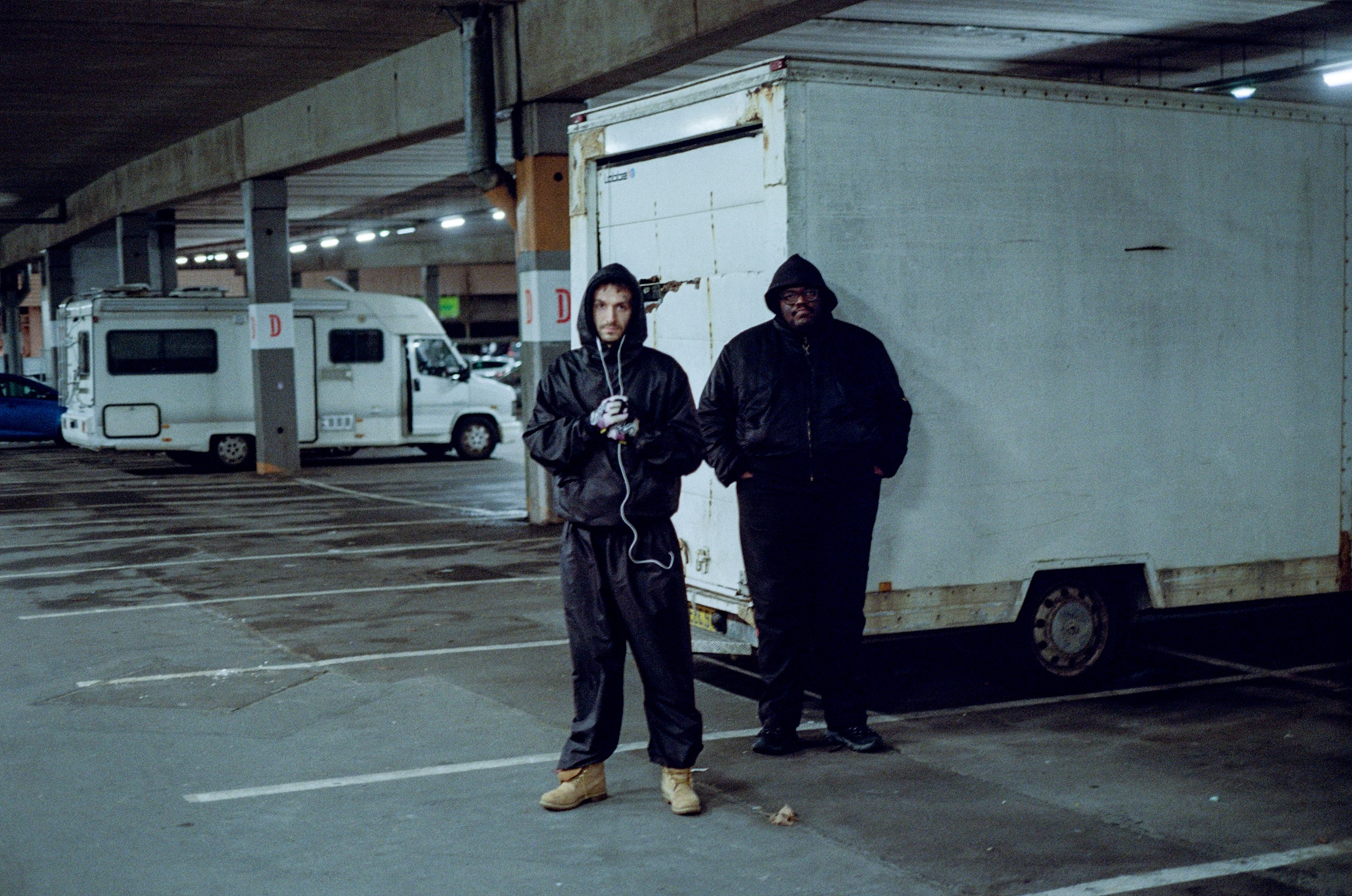
PHOTOGRAPHY MAX HEEB

Your new EP Radio feels like tuning into a frequency that’s both deeply personal and strangely universal. What was the emotional signal you were trying to transmit with this project?
I think the core themes of Radio are growing up, personal evolution, and accountability. Over the past few years, we’ve both changed significantly, and with that comes a deeper need to reflect on the choices we’ve made, the experiences we’ve lived through, and the people we’ve become.
With this project, we wanted to approach those moments and emotions with sincerity, while leaving enough space for listeners to find their own meaning within the songs. Although the stories themselves are personal, the emotions at their heart are universal — feelings of love, loss, uncertainty, growth, and self-discovery that most people encounter at different stages of their lives.
In an era where artists are expected to constantly perform online, your work feels remarkably sincere and unforced. How do you protect your creative voice from external noise?
We’ve never been particularly interested in chasing expectations.
The studio is one of the few places where outside noise doesn’t really matter — whether that’s industry pressure, algorithms, trends, or the constant obsession with numbers. It’s the one space where we’re able to shut all of that out and focus on making something that actually feels honest.
At the end of the day, we’d rather spend months creating something we genuinely believe in than release music just for the sake of staying visible. We trust our instincts, sometimes to a fault, but that’s what allows us to protect the integrity of what we do. The moment you start creating for everyone else, you risk losing the reason you started creating in the first place.
What does your songwriting process actually look like in practice? Is it structured and intentional, or are your best ideas born out of chaos?
It’s probably a balance of both. Sometimes we enter a session with a clear vision and a specific direction in mind, while other times the most exciting ideas emerge completely unexpectedly.
Over time, we’ve learned to embrace both approaches. Having a certain level of structure can be helpful, but we never want to force a song into becoming something it isn’t. Some of our favorite tracks and ideas have come from spontaneous moments in the studio, the kind of moments you could never plan for.
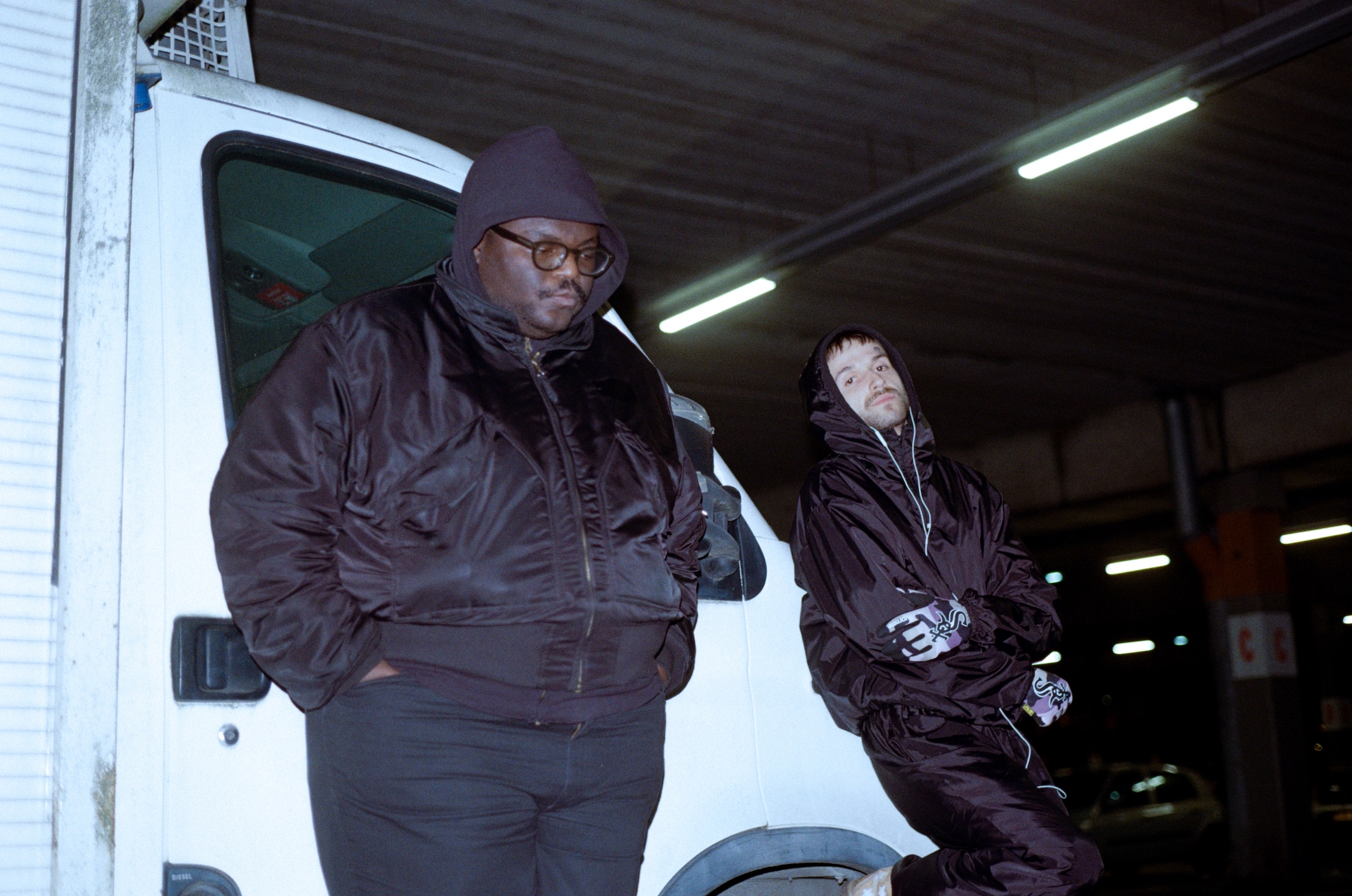
PHOTOGRAPHY MAX HEEB
When you’re creating together, how do you navigate disagreement? Has a creative conflict ever led to one of your strongest songs?
Trust is probably the most important foundation of our creative process. We trust each other’s instincts and maintain an open and honest dialogue, even when we don’t immediately see eye to eye.
Creative disagreements are actually a valuable part of the process. They challenge us to question our ideas, consider different perspectives, and push the work further. More often than not, those conversations lead to stronger songs and more thoughtful creative decisions than we might have arrived at individually.
The title Radio suggests connection, transmission, and listening. What, or who, have you been listening to lately, beyond music?
Beyond music, our biggest source of inspiration has always been people.
The people closest to us — our friends, our families, and especially our mothers — have shaped the way we think, feel, and move through the world more than anything else. Most of our ideas don’t arrive out of nowhere; they emerge from conversations, shared experiences, late-night talks, disagreements, observations, and the countless small interactions that make up everyday life.
We’re constantly inspired by other people’s stories. By listening. By paying attention. Sometimes a casual conversation can stay with you longer than a film, a book, or an album ever could. The most meaningful insights often come from the lives unfolding right in front of you.
Your music often feels cinematic. If Radio were a film rather than an EP, what would the opening scene look like?
It would probably open on a rain-soaked summer afternoon.
You’re driving through a city you know by heart, yet somehow everything feels slightly off— familiar, but changed. The kind of day where memories seem louder than the traffic outside. You’ve lost the love of your life, and that absence follows you through every street, every passing reflection in the window.
It’s quiet, melancholic, and full of unanswered questions. But beneath the grief there’s a subtle sense of movement, as if the story is only just beginning. Not an ending, but the first chapter of something unknown — a journey shaped by heartbreak, self-discovery, and the slow realization that meaning often reveals itself in the aftermath of loss.
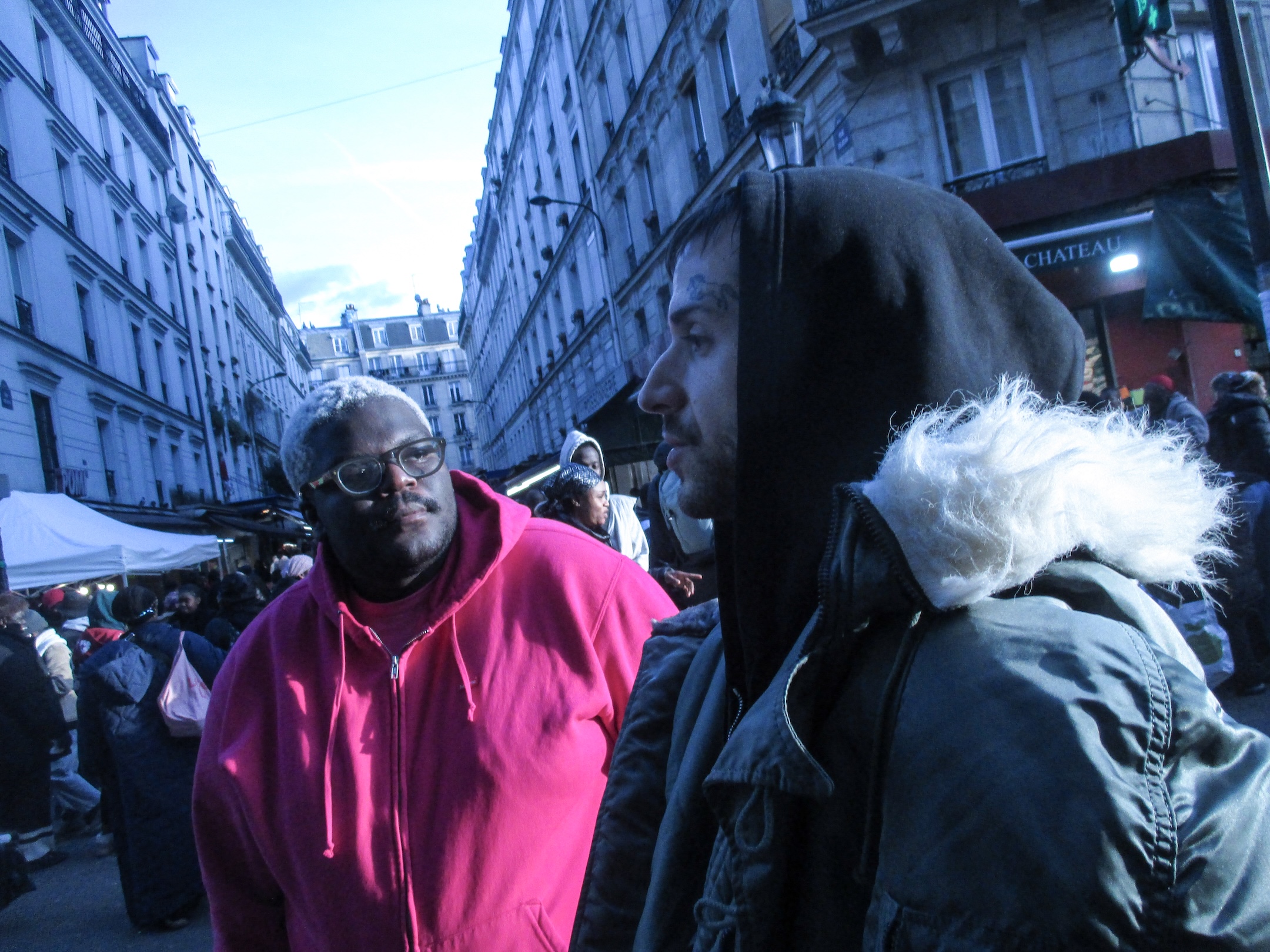
PHOTOGRAPHY MAX HEEB
What’s the most unexpected place or situation where inspiration has found you recently?
Probably in the cinema.
There’s something about sitting in a dark room, completely absorbed by a story, that can hit you in unexpected ways. Sometimes it’s a single line of dialogue, a particular shot, or just the atmosphere of a scene that stays with you long after the credits roll.
It rarely inspires a song in a literal sense. Instead, it sparks a feeling — something difficult to put into words at first. We tend to carry those emotions around with us, and sooner or later they resurface in the music. Often, we only realize where a song came from once it’s already finished.
If someone spent a day with Blumengarten completely offduty, what would surprise them most?
Probably how unglamorous it all really is.
People love to imagine musicians living in a perpetual whirlwind of excess, chaos, and once-in-a-lifetime moments. The truth is far less cinematic. Most days are spent exactly like everyone else’s – hanging out with friends, being with family, watching films, obsessing over music, wasting time, getting bored, overthinking.
What often gets overlooked is that the magic rarely comes from the extraordinary. More often than not, it’s hidden in the mundane. A conversation on the train, a late-night walk home, a fleeting feeling you can’t quite shake. Those small, seemingly insignificant moments tend to leave the deepest mark – and sooner or later, they find their way into the music.
In conversation w/ BLUMENGARTEN
JUNE 17, 2026
PHOTOGRAPHY MAX HEEB
Your new EP Radio feels like tuning into a frequency that’s both deeply personal and strangely universal. What was the emotional signal you were trying to transmit with this project?
I think the core themes of Radio are growing up, personal evolution, and accountability. Over the past few years, we’ve both changed significantly, and with that comes a deeper need to reflect on the choices we’ve made, the experiences we’ve lived through, and the people we’ve become.
With this project, we wanted to approach those moments and emotions with sincerity, while leaving enough space for listeners to find their own meaning within the songs. Although the stories themselves are personal, the emotions at their heart are universal — feelings of love, loss, uncertainty, growth, and self-discovery that most people encounter at different stages of their lives.
In an era where artists are expected to constantly perform online, your work feels remarkably sincere and unforced. How do you protect your creative voice from external noise?
We’ve never been particularly interested in chasing expectations.
The studio is one of the few places where outside noise doesn’t really matter — whether that’s industry pressure, algorithms, trends, or the constant obsession with numbers. It’s the one space where we’re able to shut all of that out and focus on making something that actually feels honest.
At the end of the day, we’d rather spend months creating something we genuinely believe in than release music just for the sake of staying visible. We trust our instincts, sometimes to a fault, but that’s what allows us to protect the integrity of what we do. The moment you start creating for everyone else, you risk losing the reason you started creating in the first place.
What does your songwriting process actually look like in practice? Is it structured and intentional, or are your best ideas born out of chaos?
It’s probably a balance of both. Sometimes we enter a session with a clear vision and a specific direction in mind, while other times the most exciting ideas emerge completely unexpectedly.
Over time, we’ve learned to embrace both approaches. Having a certain level of structure can be helpful, but we never want to force a song into becoming something it isn’t. Some of our favorite tracks and ideas have come from spontaneous moments in the studio, the kind of moments you could never plan for.
PHOTOGRAPHY MAX HEEB
When you’re creating together, how do you navigate disagreement? Has a creative conflict ever led to one of your strongest songs?
Trust is probably the most important foundation of our creative process. We trust each other’s instincts and maintain an open and honest dialogue, even when we don’t immediately see eye to eye.
Creative disagreements are actually a valuable part of the process. They challenge us to question our ideas, consider different perspectives, and push the work further. More often than not, those conversations lead to stronger songs and more thoughtful creative decisions than we might have arrived at individually.
The title Radio suggests connection, transmission, and listening. What, or who, have you been listening to lately, beyond music?
Beyond music, our biggest source of inspiration has always been people.
The people closest to us — our friends, our families, and especially our mothers — have shaped the way we think, feel, and move through the world more than anything else. Most of our ideas don’t arrive out of nowhere; they emerge from conversations, shared experiences, late-night talks, disagreements, observations, and the countless small interactions that make up everyday life.
We’re constantly inspired by other people’s stories. By listening. By paying attention. Sometimes a casual conversation can stay with you longer than a film, a book, or an album ever could. The most meaningful insights often come from the lives unfolding right in front of you.
Your music often feels cinematic. If Radio were a film rather than an EP, what would the opening scene look like?
It would probably open on a rain-soaked summer afternoon.
You’re driving through a city you know by heart, yet somehow everything feels slightly off— familiar, but changed. The kind of day where memories seem louder than the traffic outside. You’ve lost the love of your life, and that absence follows you through every street, every passing reflection in the window.
It’s quiet, melancholic, and full of unanswered questions. But beneath the grief there’s a subtle sense of movement, as if the story is only just beginning. Not an ending, but the first chapter of something unknown — a journey shaped by heartbreak, self-discovery, and the slow realization that meaning often reveals itself in the aftermath of loss.
PHOTOGRAPHY MAX HEEB
What’s the most unexpected place or situation where inspiration has found you recently?
Probably in the cinema.
There’s something about sitting in a dark room, completely absorbed by a story, that can hit you in unexpected ways. Sometimes it’s a single line of dialogue, a particular shot, or just the atmosphere of a scene that stays with you long after the credits roll.
It rarely inspires a song in a literal sense. Instead, it sparks a feeling — something difficult to put into words at first. We tend to carry those emotions around with us, and sooner or later they resurface in the music. Often, we only realize where a song came from once it’s already finished.
If someone spent a day with Blumengarten completely offduty, what would surprise them most?
Probably how unglamorous it all really is.
People love to imagine musicians living in a perpetual whirlwind of excess, chaos, and once-in-a-lifetime moments. The truth is far less cinematic. Most days are spent exactly like everyone else’s – hanging out with friends, being with family, watching films, obsessing over music, wasting time, getting bored, overthinking.
What often gets overlooked is that the magic rarely comes from the extraordinary. More often than not, it’s hidden in the mundane. A conversation on the train, a late-night walk home, a fleeting feeling you can’t quite shake. Those small, seemingly insignificant moments tend to leave the deepest mark – and sooner or later, they find their way into the music.