Enter The Whole: Inside WHOLE Festival 2026
JUNE 1, 2026 → WORDS ADRIÁN GOMIS EXPÓSITO


PHOTOGRAPHY TINA DUBROVSKY, ZEHRA DOGAN
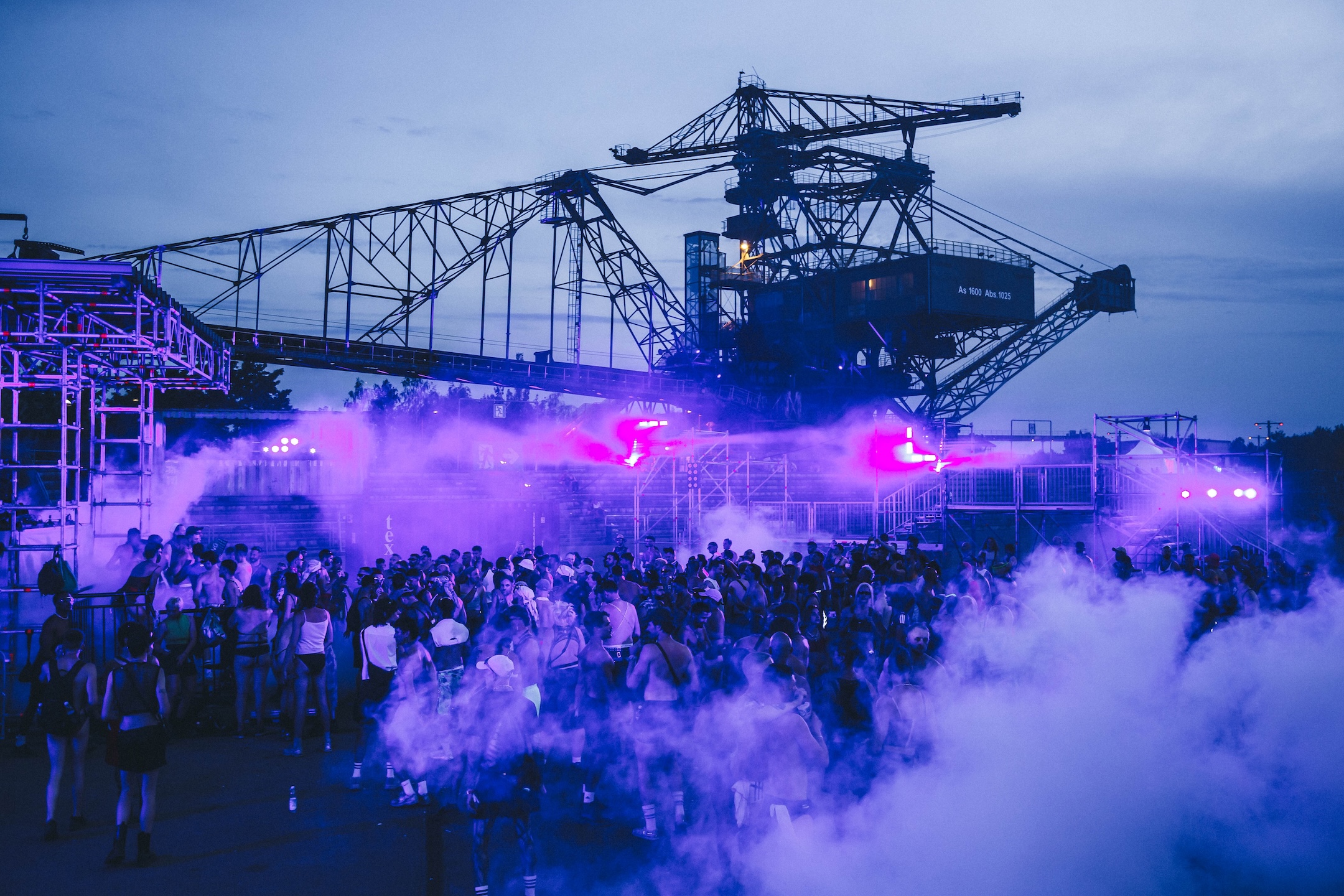
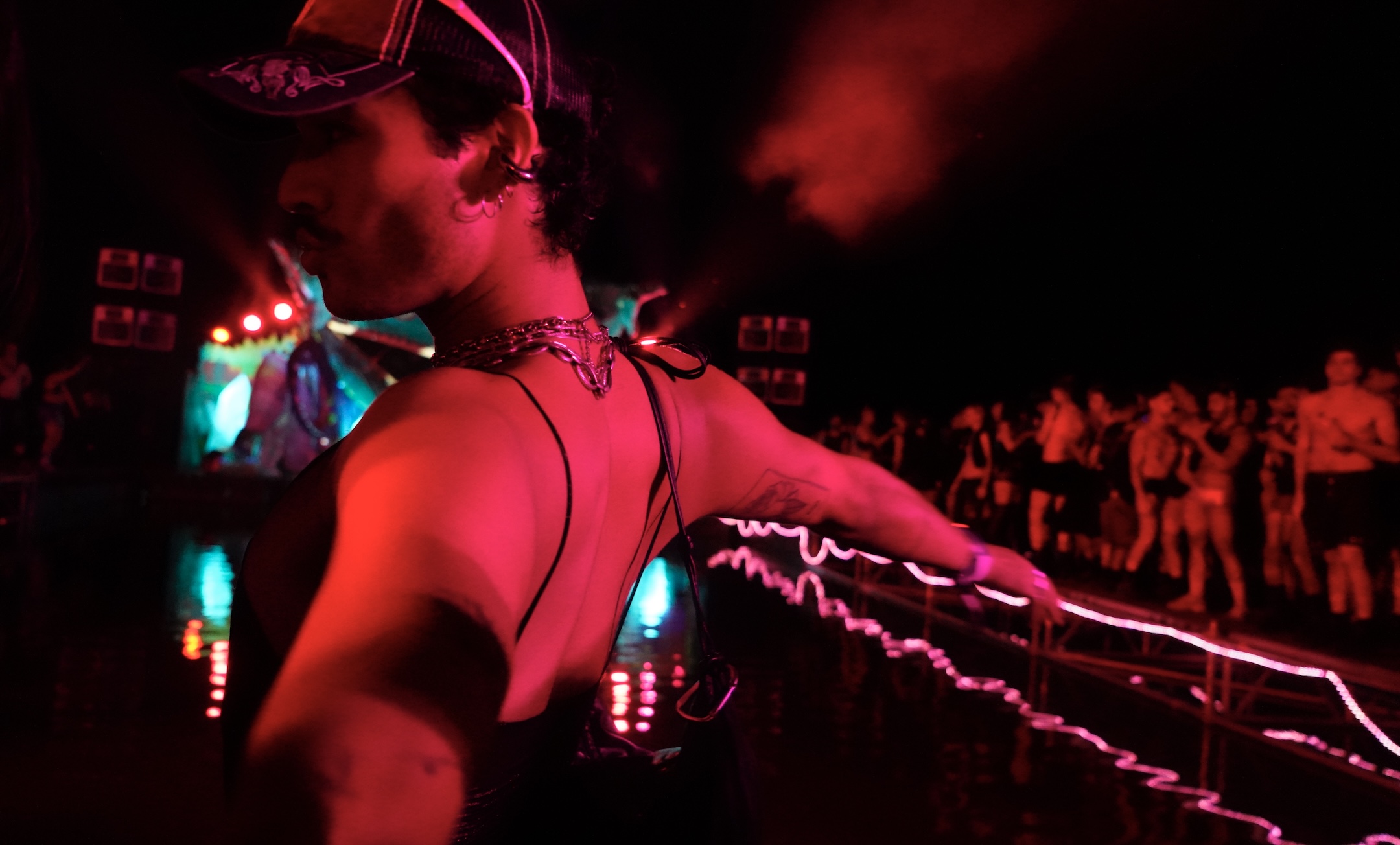
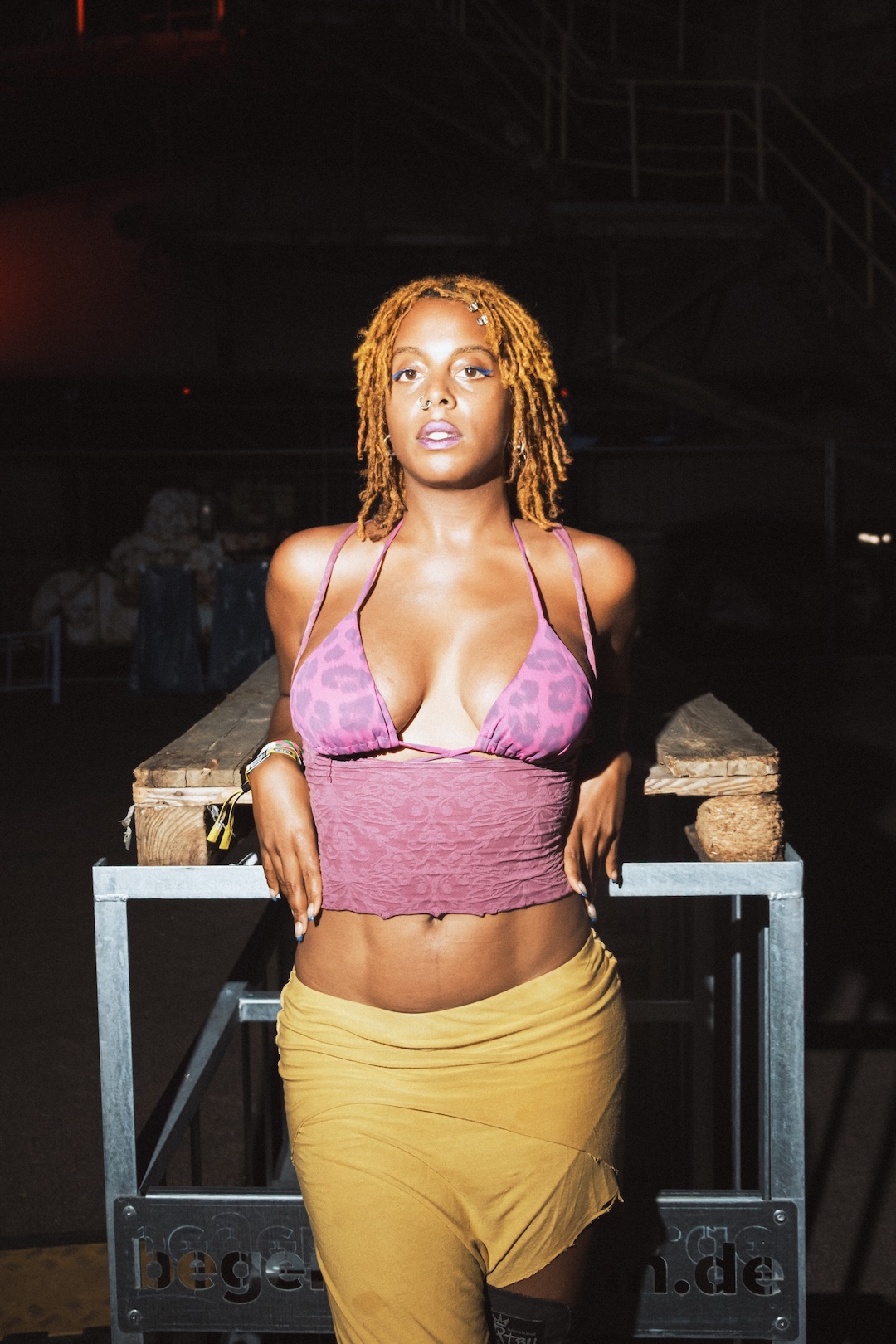
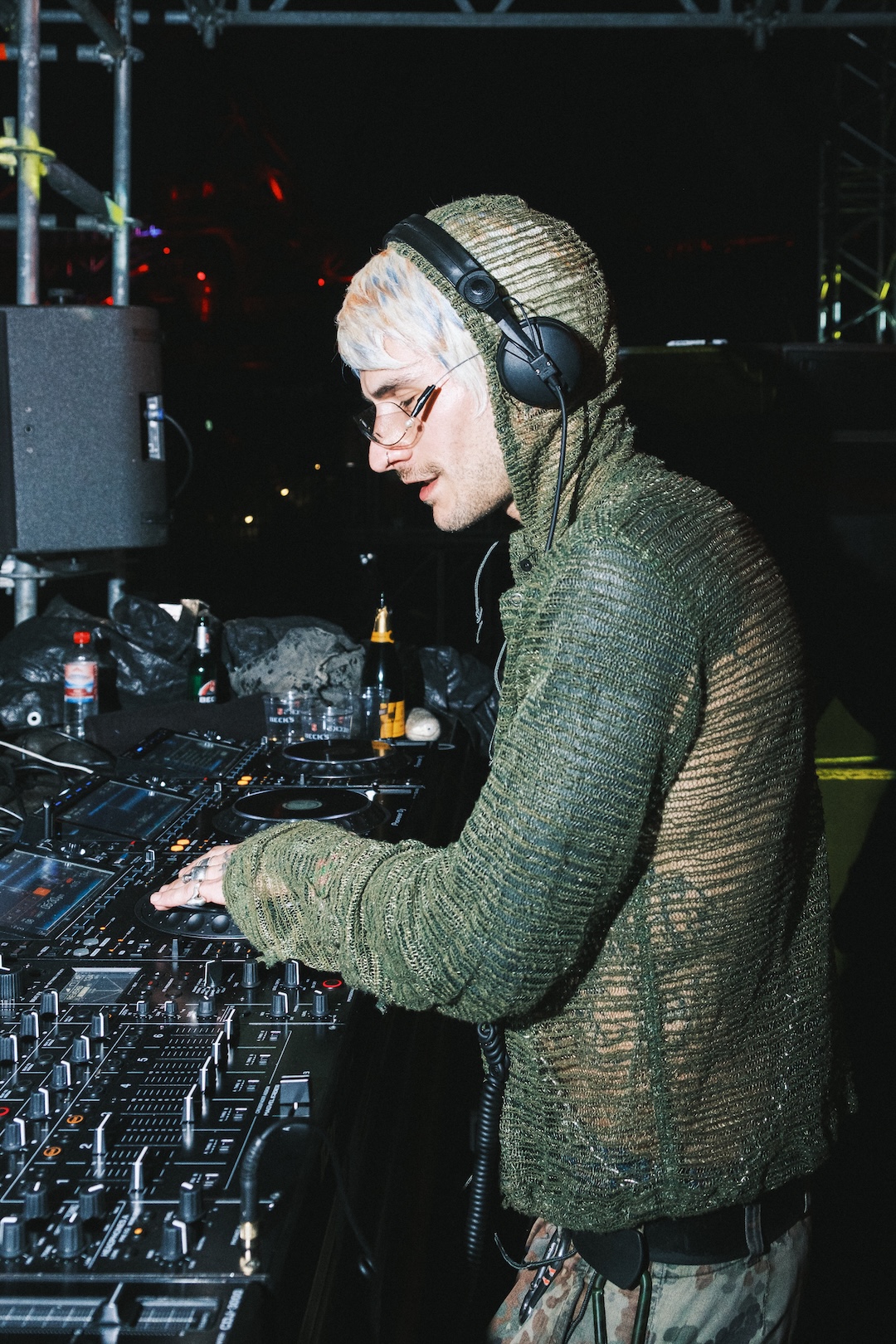
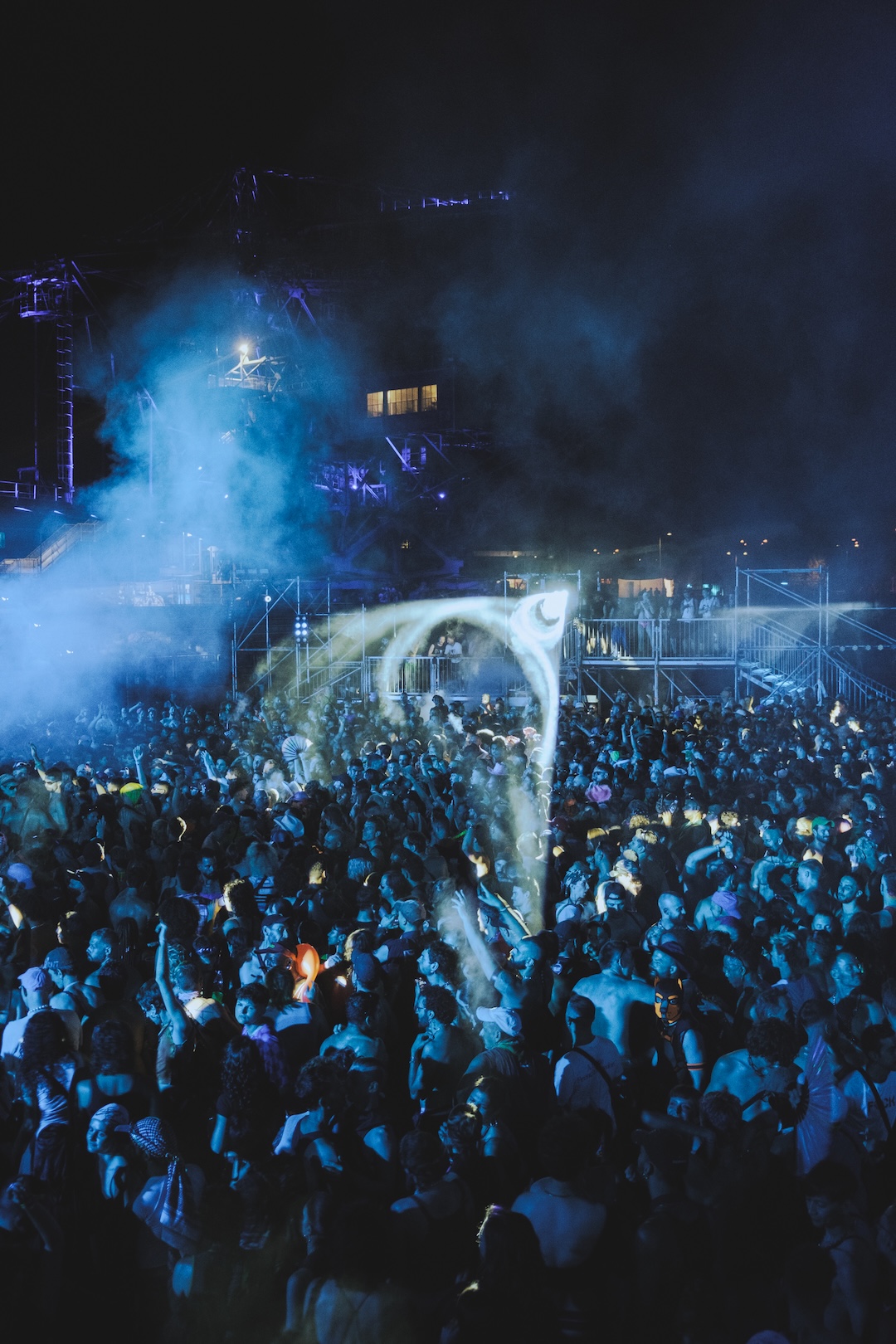
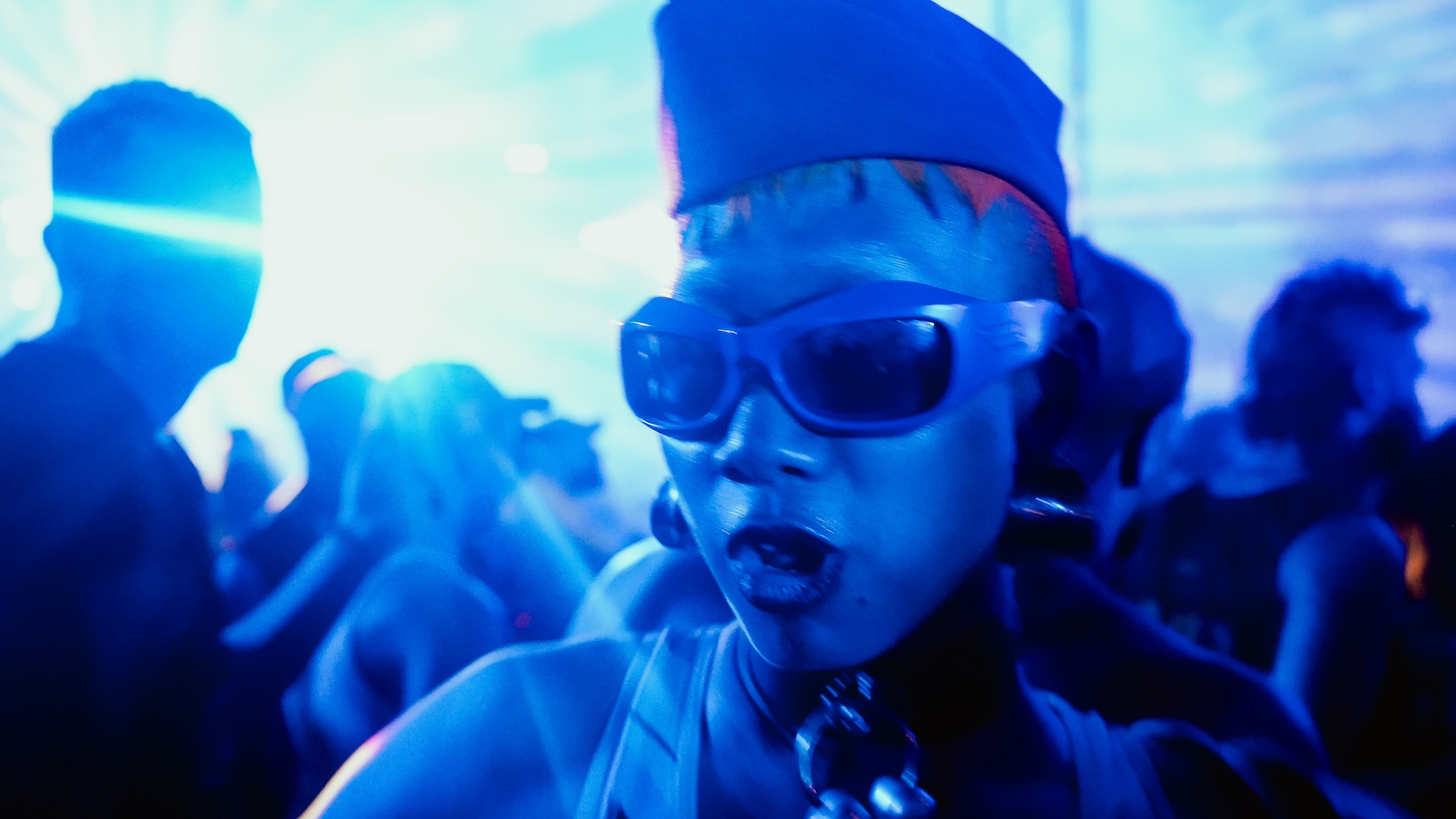
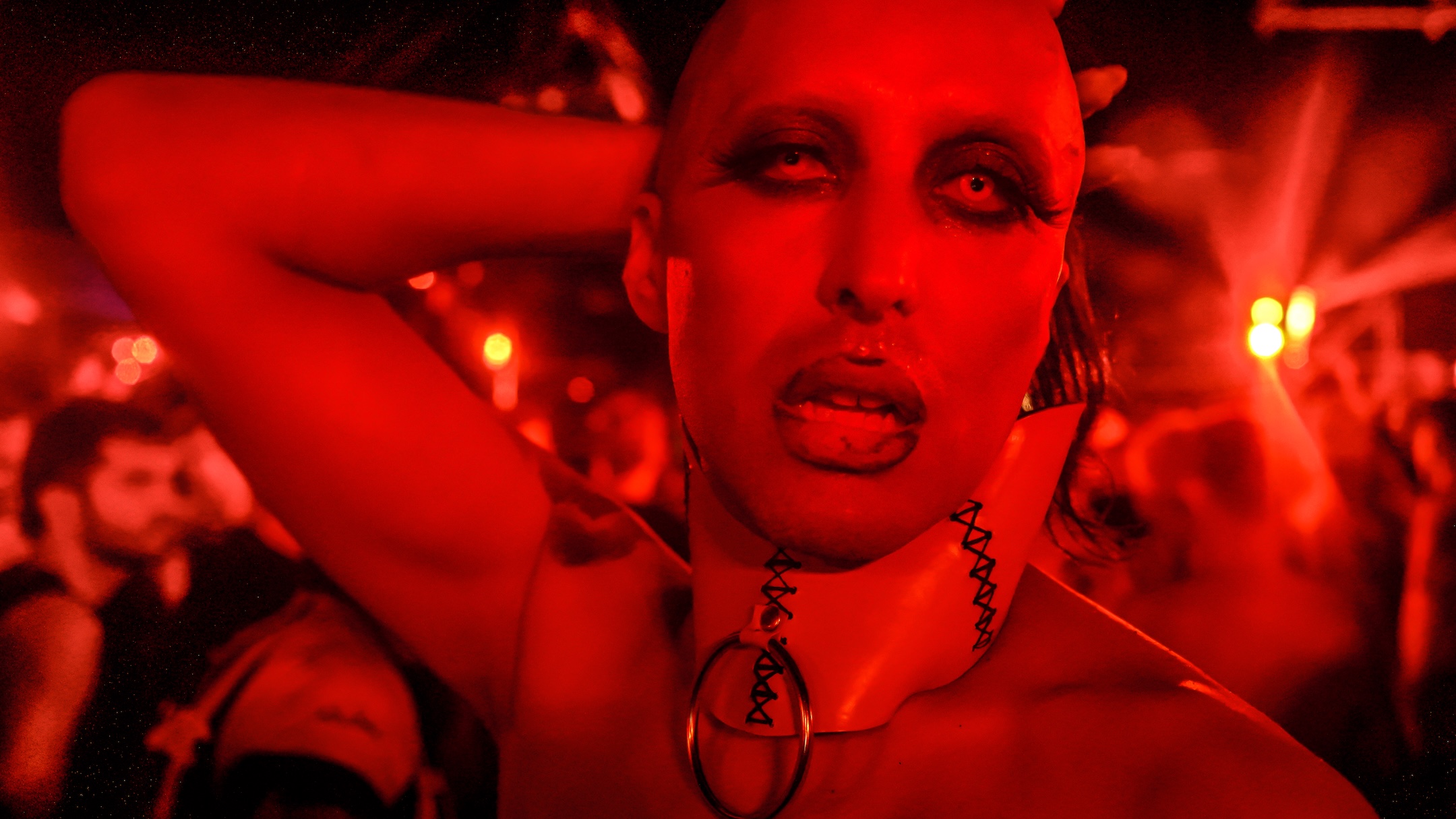
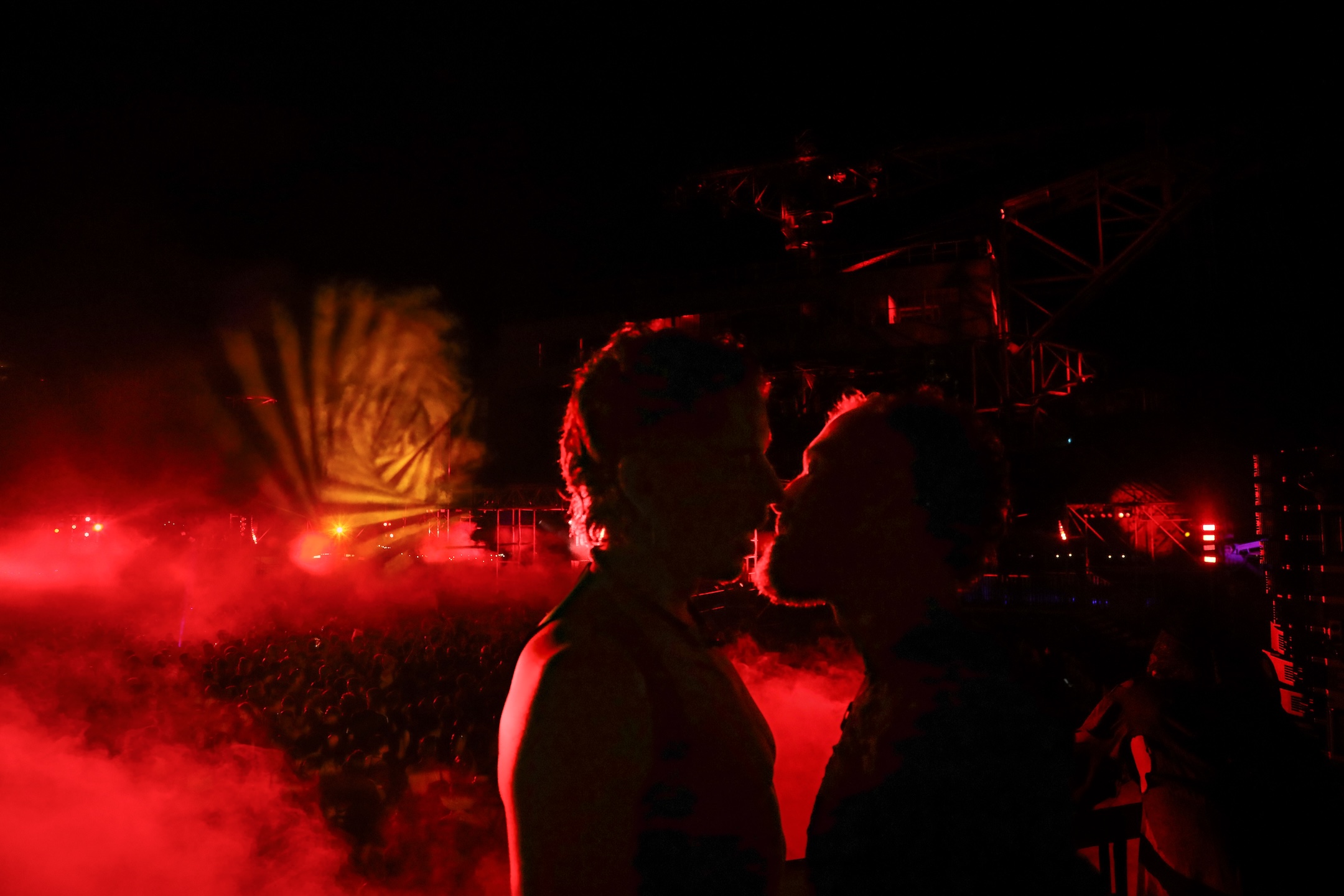
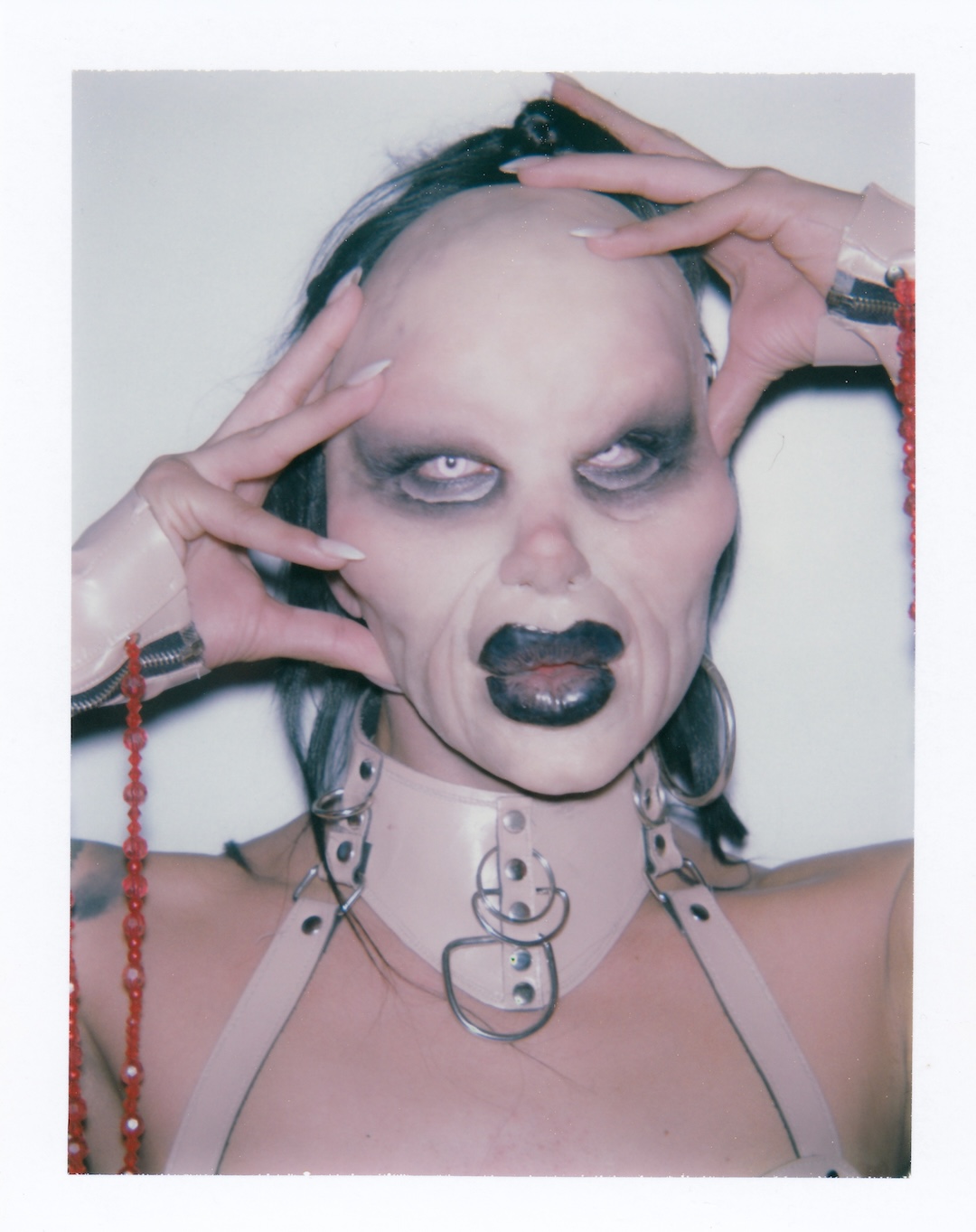
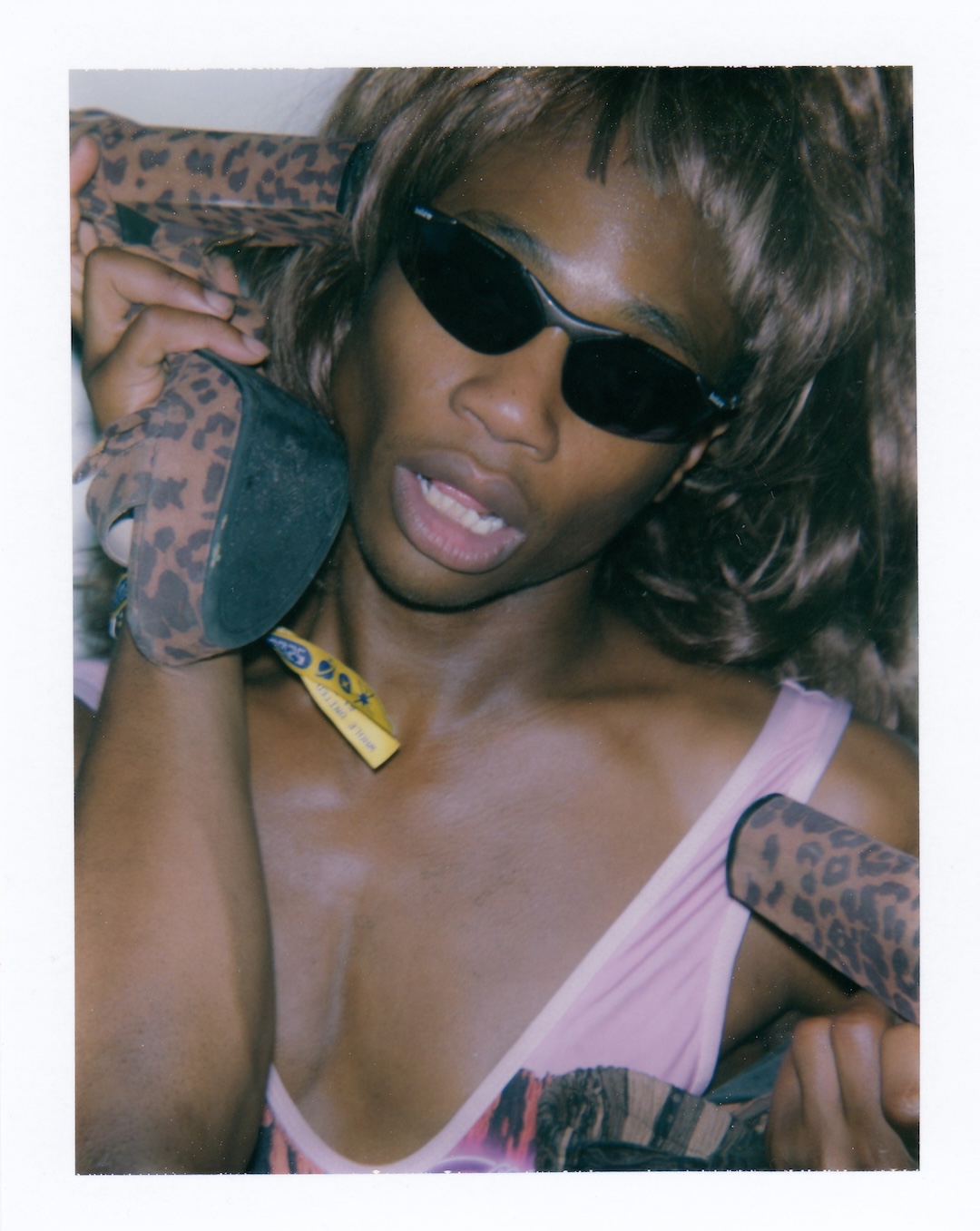
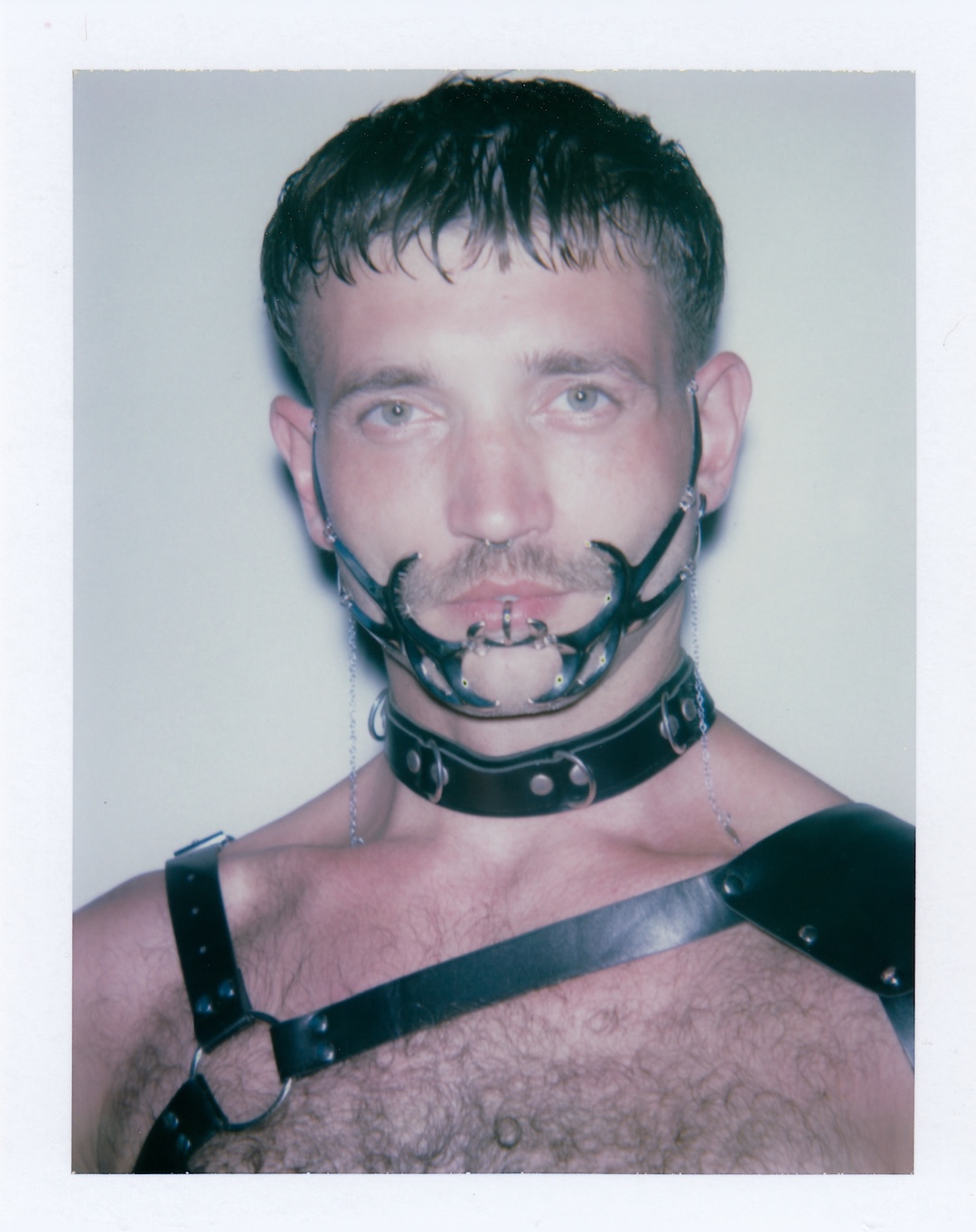
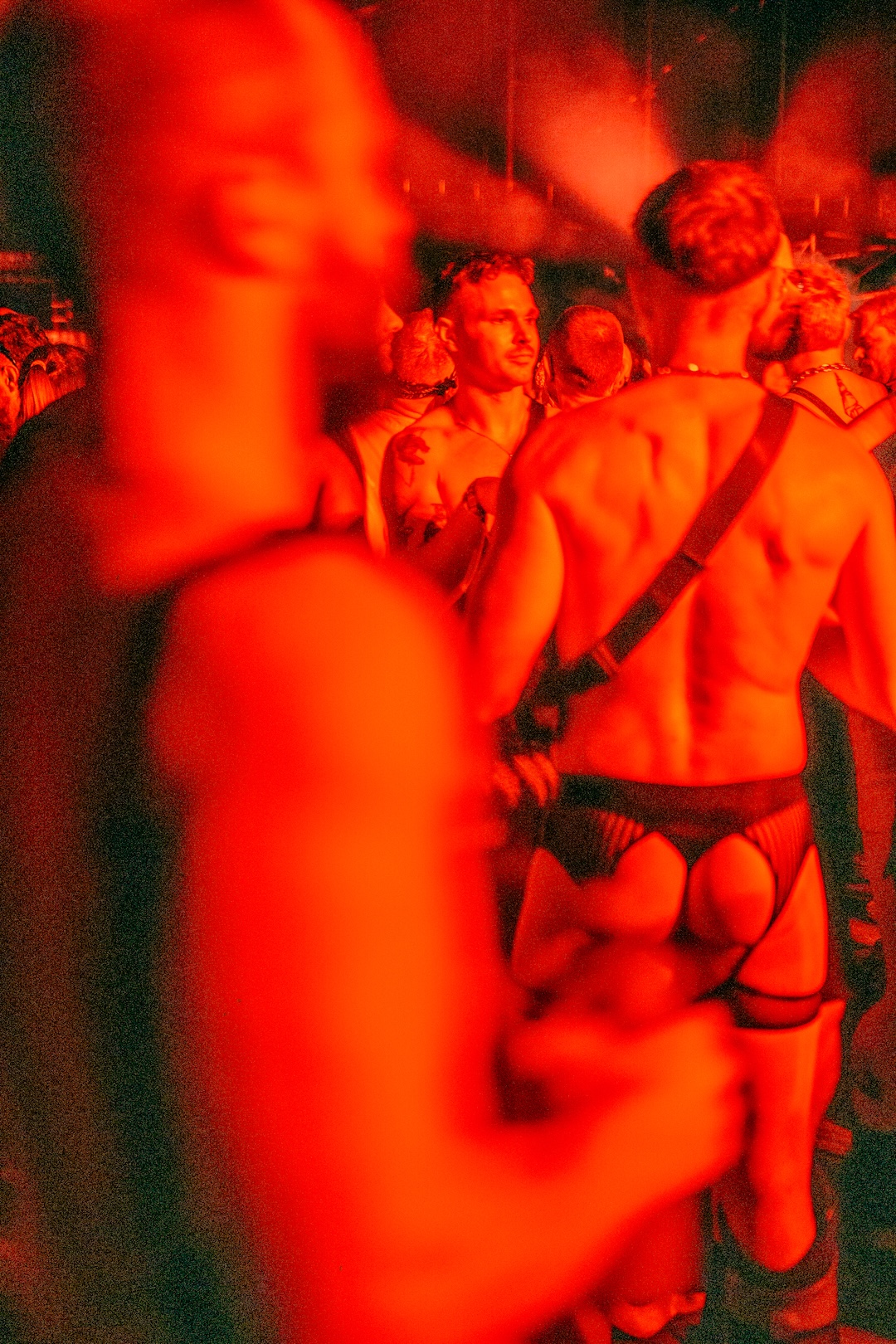
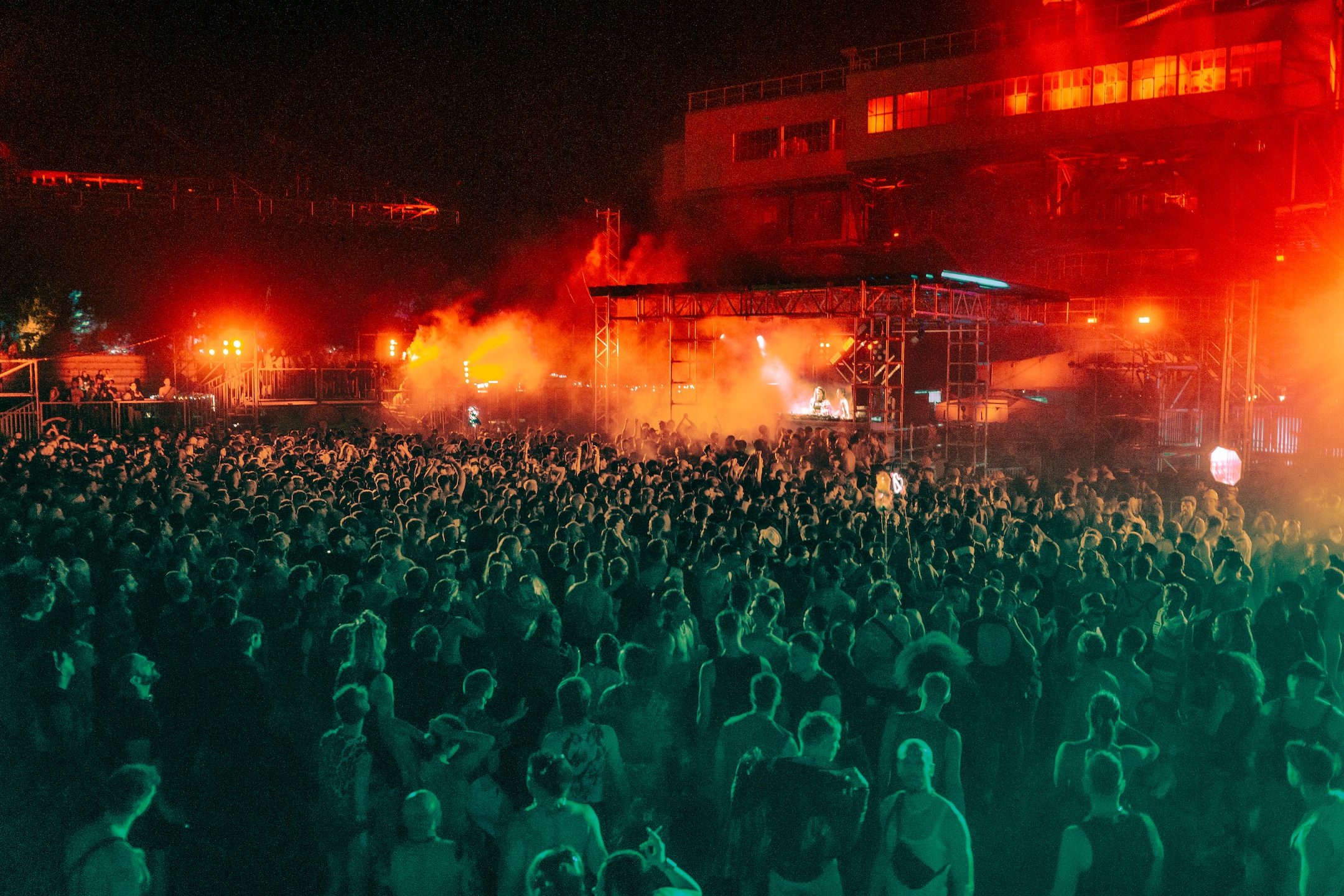
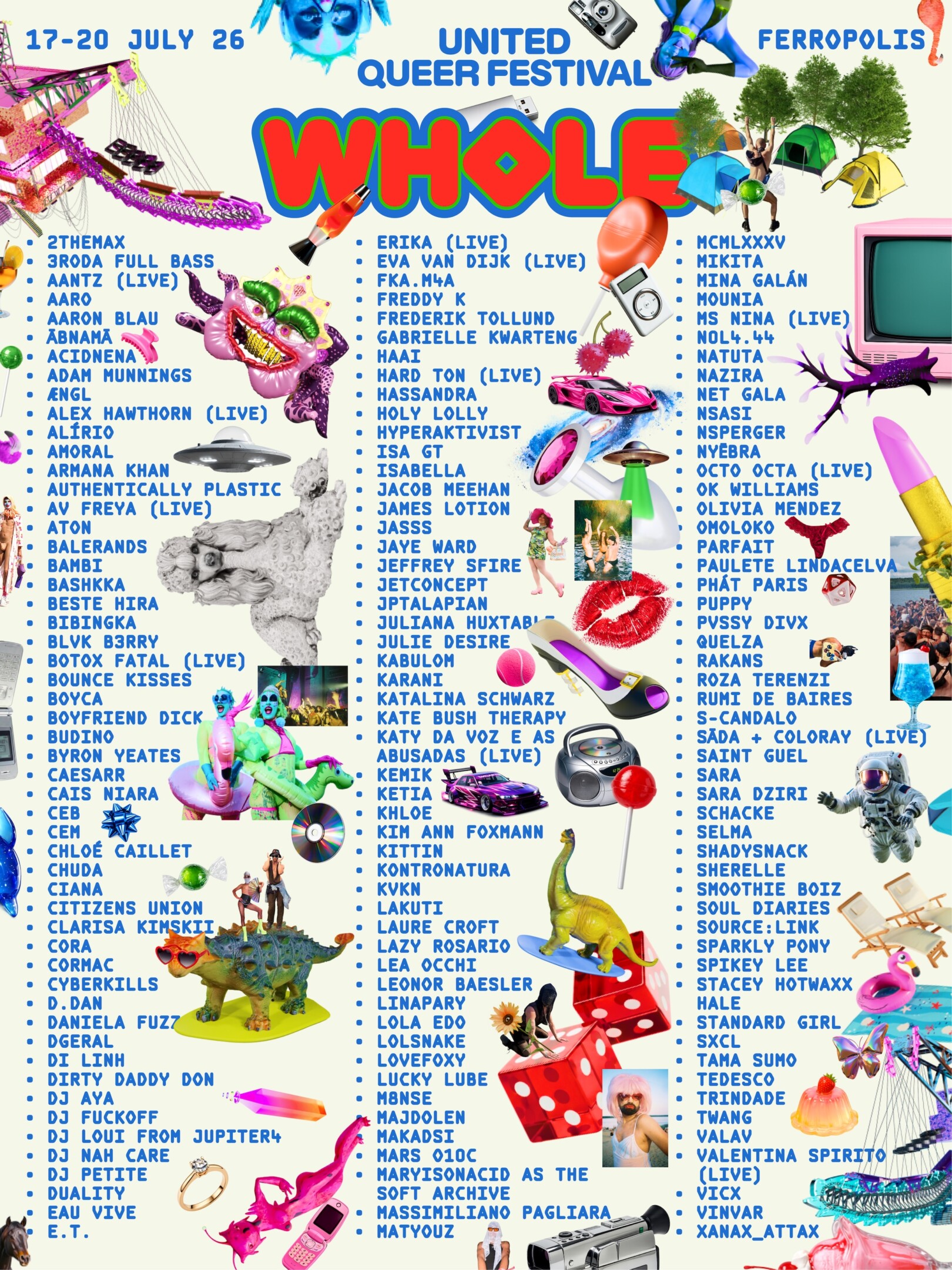
More than a festival, WHOLE has become one of Europe’s most vital gatherings for queer community, culture, and collective imagination. Set against the monumental industrial backdrop of Ferropolis, the festival brings together artists, collectives, organizers, activists, and ravers from across the world to create a temporary space shaped by freedom, care, pleasure, and experimentation. Across four days, dancefloors, performance spaces, workshops, conversations, and community initiatives converge to form something that extends far beyond nightlife: a living ecosystem of queer expression, connection, and collective possibility.


PHOTOGRAPHY MATTIA SPICH
For its eighth edition, WHOLE returns under the theme Enter The Whole, inviting participants to move beyond escapism and toward deeper presence, participation, and belonging. Alongside a programme spanning six stages, international collectives, live performances, talks, and workshops, the festival continues to ask larger questions about how queer communities gather, care for one another, and imagine the future together.
In this conversation, the team behind WHOLE reflects on the festival’s origins, its evolving politics of care, and what continues to make it one of the most singular and influential experiences in contemporary queer culture.


PHOTOGRAPHY BERK AKKAYA
For anyone arriving at WHOLE for the first time, through this article, or through the gates of Ferropolis, how would you describe what it actually is? Not the lineup, not the stages, but the thing underneath all of that.
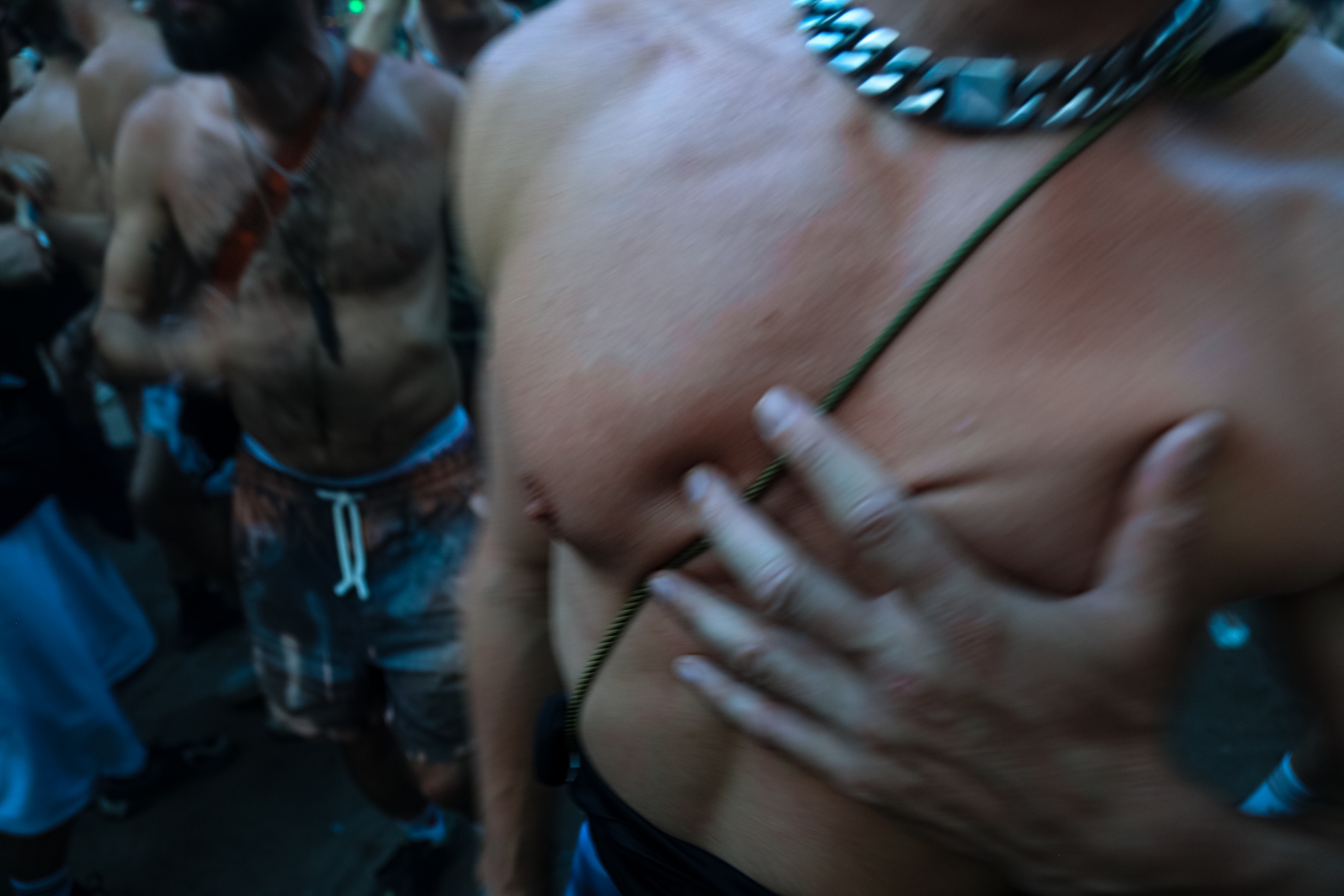
WHOLE is a glimpse into a future we all wish to live in. It’s a space where queer people across generations, identities, backgrounds, and geographies come together not only to dance, but also to connect, experiment, rest, organize, and dream.
Every festival has an origin story, but not every festival has a reason. What was the gap WHOLE was born to fill, and does that original urgency still feel alive eight editions in?
WHOLE came out of a desire to create a space where queer culture was fully centred, not as a trend but as something shaped by the community itself. From the organisation to the artists, crews, and guests, the festival is built by the people it exists for. At the time, there were already incredible parties and scenes, but fewer spaces where all those energies could come together across multiple days.
That urgency still feels very present eight editions later. Queer spaces are constantly changing, and also constantly under pressure. WHOLE continues to be a place where people can experiment with how we gather, care for each other, and imagine queer culture together.


PHOTOGRAPHY THE SINFUL SON
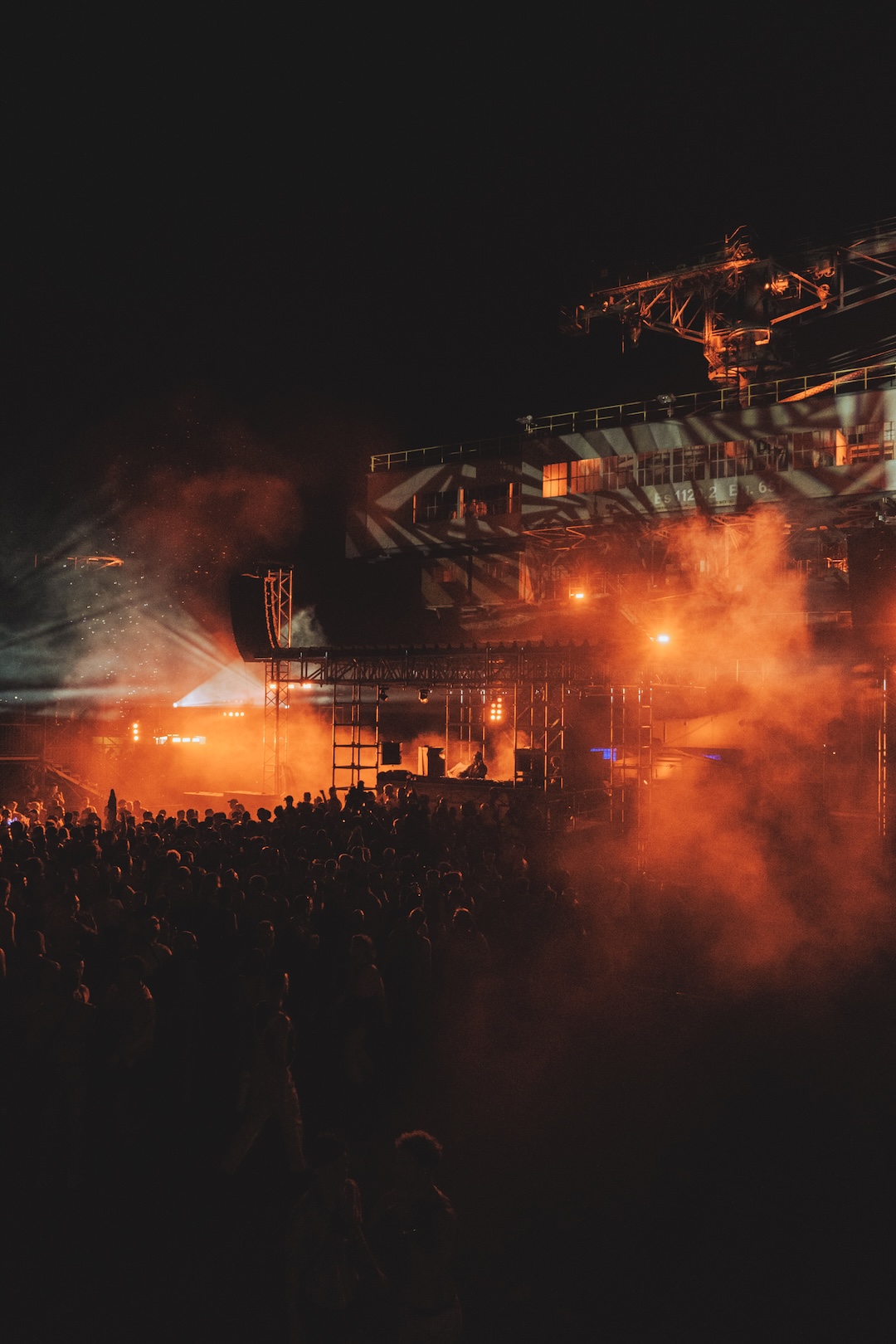
Ferropolis, the "iron city", is a brutally specific setting. How does that post-industrial landscape shape the way you program, design spaces, and imagine the collective experience?
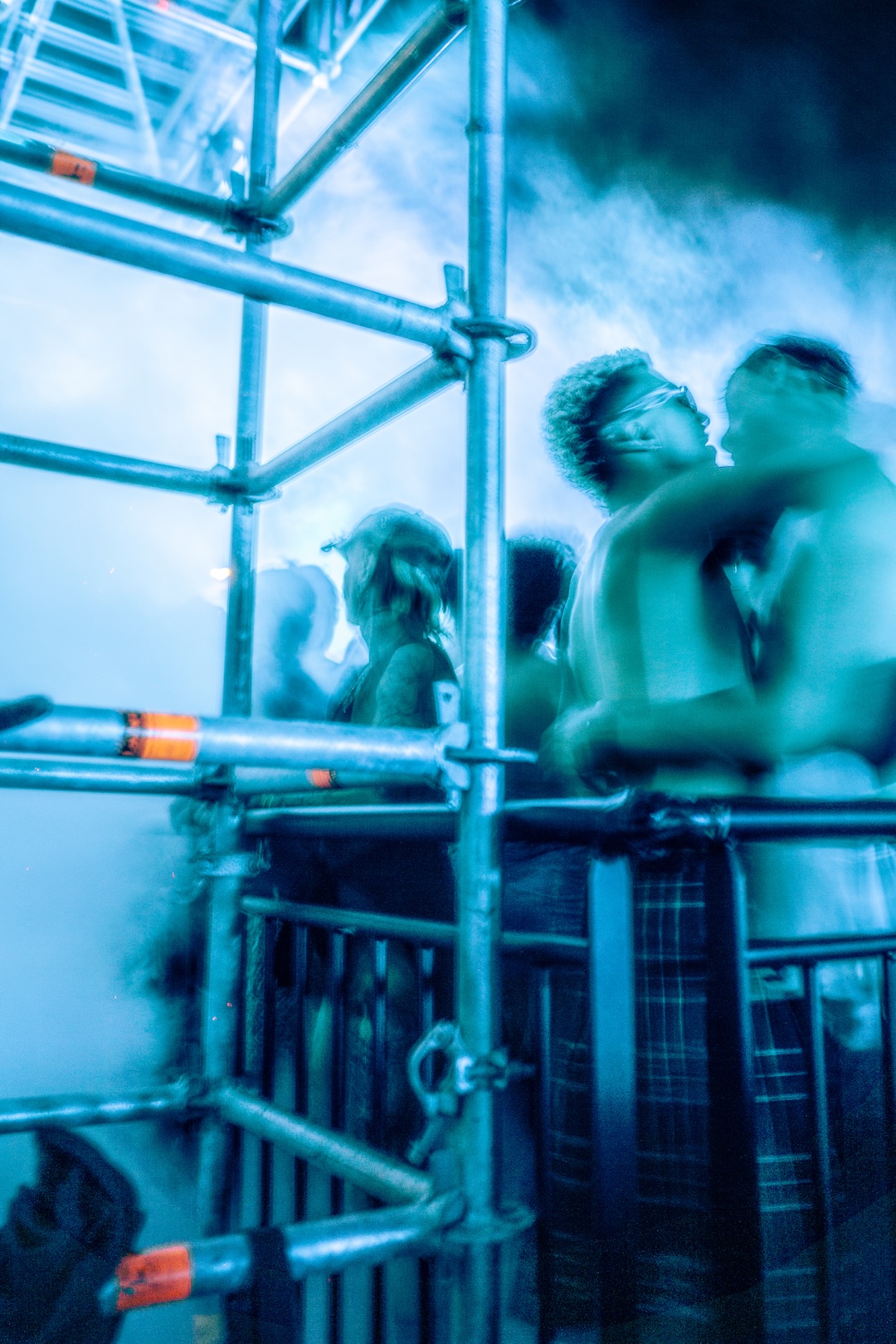
There’s something powerful about queer bodies inhabiting a space that feels so post-apocalyptic. The scale of the machinery, the exposed steel, the openness of the landscape; the environment actively shapes how people move, gather, and experience sound, light, and each other. It creates a feeling that is both monumental and strangely intimate.
We’re interested in that tension because it reminds us of our resilience. The contrast between hardness and softness, between decaying industrial architecture and collective celebration, creates a very particular emotional atmosphere. It pushes us to think carefully about spatial design: where people can feel intensity, where they can rest, and where vulnerability can exist safely.
The theme for 2026 is Enter The Whole, less spectacle, more presence, less escape, more connection. In a festival culture that often leans hard into escapism, why push in the opposite direction, and what does "arriving fully" actually ask of people?
Escapism, especially for us queers, is a form of self-preservation. It has its place, especially for all of us navigating a reality that is often hostile. In a world where we’re constantly distracted by algorithms greedy for our attention, we’re increasingly interested in what happens when gathering becomes more intentional.
Enter The Whole is an invitation to be present with yourself, with others, and with the temporary community we’re creating together. We wanted the theme to point toward connection that feels embodied and real, rather than performative, detached, or mediated.
“Arriving fully” means participating rather than simply observing. It means recognizing that the atmosphere of the festival is something everyone contributes to through a word, a smile, or a kind gesture. It means approaching the experience with enthusiasm, curiosity, accountability, and generosity. It also means allowing complexity in: joy alongside grief, pleasure alongside reflection, celebration alongside political awareness.


PHOTOGRAPHY REDOUANE CHERKAOUI
The lineup spans six stages, dozens of collectives, and artists from scenes as far apart as Saigon, Kampala, and Buenos Aires. When you step back and look at it as a whole, what’s the through line? What’s the invisible thread connecting all of it?
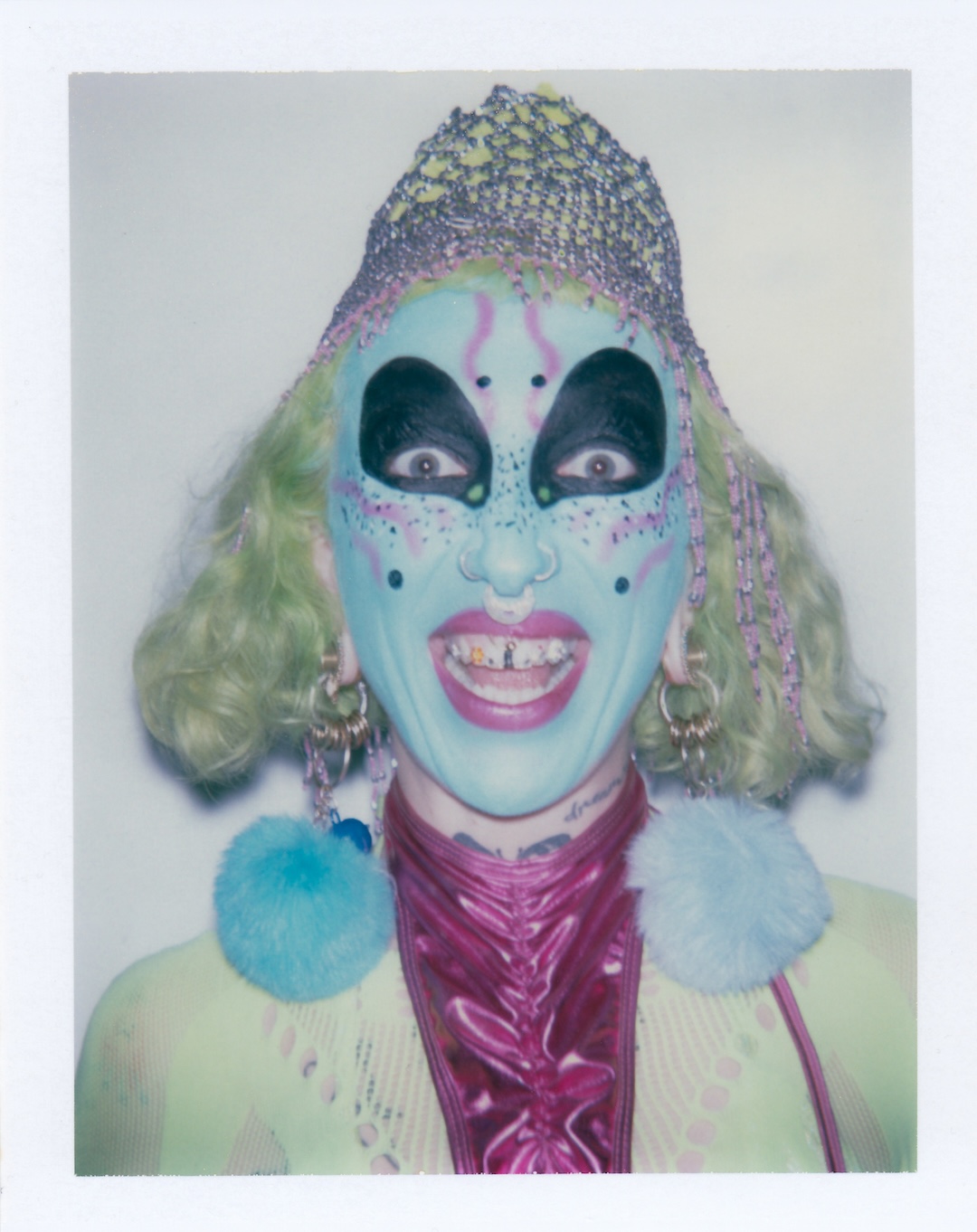
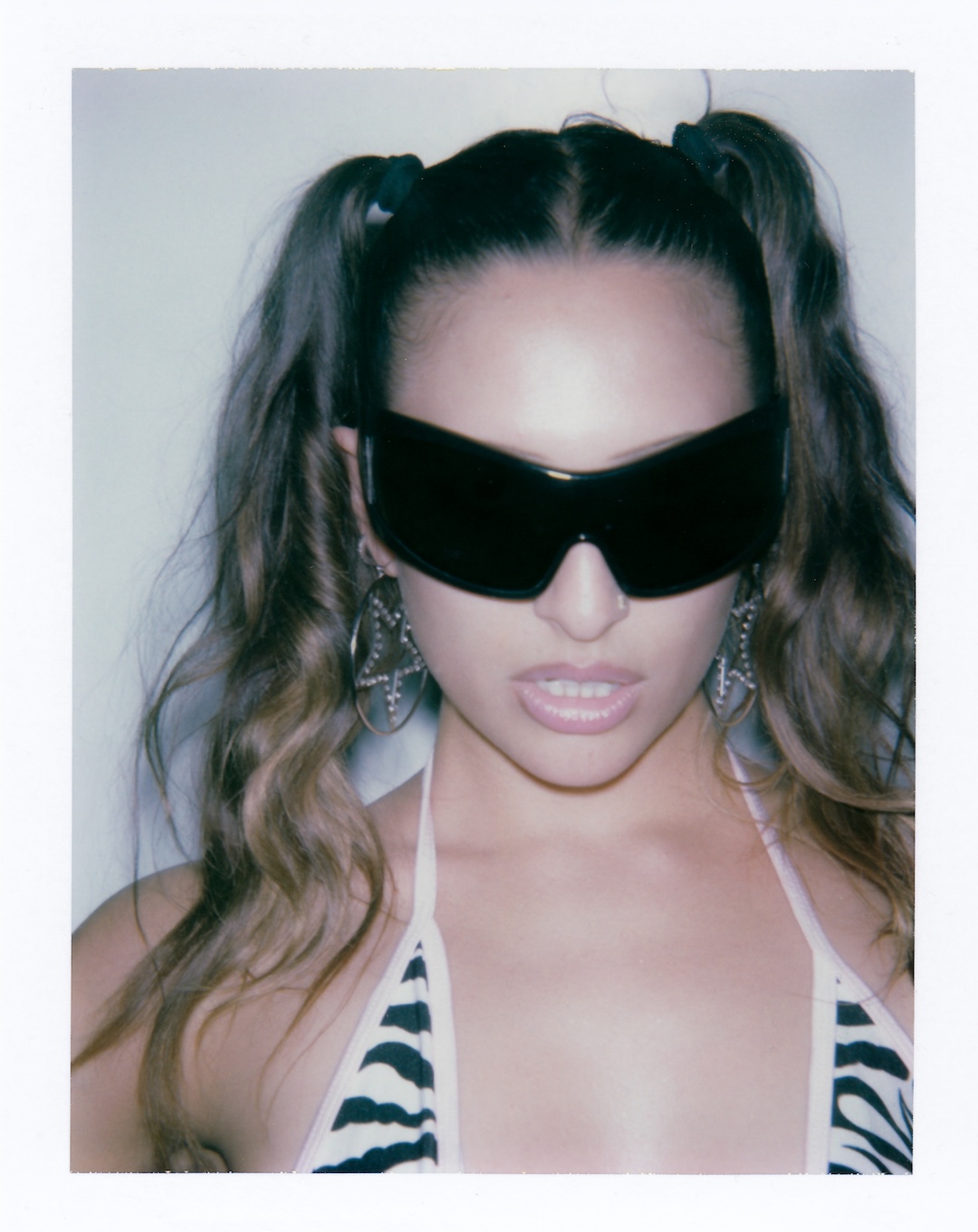
The through line is queer communities, often far away from each other, building culture under very different conditions but with shared commitments to inclusion, experimentation, resistance, pleasure, and collective expression.
We’re more interested in the relationships between scenes, practices, and politics because what we all ultimately strive for is freedom: freedom to be, freedom to tell our stories to people who understand them, without the fear of being othered.
A lot of the artists and collectives involved are not only DJs or performers; they’re organizers, educators, healers, space-makers, and community builders within their local contexts. That matters to us. The lineup reflects queer culture as something lived and collectively produced, not just consumed. Musically, there’s huge diversity, but emotionally there’s a common thread of intensity, openness, and transformation.
The Cruising Village expands this year with hosted slots and sober-curious activations, radically broadening what participation in that space can mean. How do you design a space of desire that is simultaneously open and careful?
The Cruising Village works because different crews bring very different approaches to intimacy, play, care, and community. Some spaces are high-energy and social; others are slower, softer, or more reflective. This year’s sober-curious activations and FLINTA-focused spaces expand that even further, without turning gender or sobriety into something judged or policed.
For us, care doesn’t come from strict control, it comes from consent culture, thoughtful hosting, and giving people different ways to participate. The goal is to create a space that feels open, exploratory, and alive while still making room for boundaries, agency, and mutual respect.


PHOTOGRAPHY MATTIA SPICH
WHOLE has never been only about music: talks, workshops, community spaces, conversations around intimacy, queer care, and collective organizing. What does that fuller picture look like this year, and what can people expect to find beyond the dancefloor?
WHOLE has always been about more than the dancefloor, and this year’s program continues to expand the idea of what a festival space can hold. Alongside the club experience, there will be workshops, performances, healing spaces, support groups, and community-led conversations exploring topics such as queer bodies, intimacy, and the political possibilities of the dancefloor.
The program moves between the playful and the reflective: from nervous system regulation workshops and platonic speed dating for friends to erotic conversations with plants and spaces exploring pet-inspired forms of play and expression. Some experiences are sexy, some grounding, and some deeply practical. But all are designed to create connections.
The hope is that people leave not only with memories of incredible sets, but with new friendships, new skills, fresh perspectives, and a stronger sense of solidarity, a reminder that even under difficult conditions, queer communities continue to find ways to gather, care for each other, and thrive.
Community Tickets have sold out and the Solidarity Program continues to prioritize people most affected by systemic inequalities. Access and inclusion are words that get thrown around a lot in festival culture, what does it actually look like in practice at WHOLE, and where do you still feel the tension?
For us, access and inclusion only mean something if they shape the festival in a real way. It’s not just about statements or intentions, but about creating a space where different communities feel welcome, represented, safe, and able to participate fully.
That starts with our Community Tickets and Solidarity Program, but it also runs through the entire festival experience: accessibility infrastructure, harm reduction, safer-space practices, community care, and the people we invite into the program.
We intentionally platform Black and POC artists, trans artists, and FLINTA artists because these communities have always shaped queer culture and deserve space, visibility, and resources now more than ever.
At the same time, we don’t see inclusion as something you “achieve” once and for all. There are still real tensions around affordability, travel, labor, environmental impact, and physical accessibility, especially as the festival grows and exists within unequal economic realities. So the question we keep asking ourselves is: how can we continue sharing resources, visibility, and care more fairly?
This is the eighth edition, what’s genuinely new this year? What are you most excited about, and what should people not miss?
What excites us most this year is less about one specific act and more about the feeling of the festival continuing to open up in unexpected ways. There are new international collectives, an expanded Cruising Village, and more intentional programming happening across smaller spaces throughout the site.
We’re also really interested in creating more room for slower, softer, and more unexpected moments, experiences that invite people to connect beyond constant stimulation.
One of the best things you can do at WHOLE is allow yourself to wander. Some of the most beautiful moments happen completely unplanned: watching the sunrise with strangers, stumbling into a conversation that stays with you, or discovering a space you didn’t even know you needed.
Eight editions in, WHOLE keeps growing, in scale, in reach, in ambition. What’s the thing you’re still figuring out? And if you could tell the person walking through those gates for the first time just one thing, what would it be?
One of the biggest challenges is figuring out how to keep WHOLE affordable while everything around us keeps getting more expensive. We want tickets to stay as accessible as possible while also paying everyone working on the festival fairly and still being able to offer the kind of experience people come here for. That balance is probably the thing we think about the most.
To someone arriving for the first time, we’d probably say: come with openness rather than expectations. The festival becomes what we all collectively bring into it. Allow yourself to participate, to connect, to rest, to be surprised, and to take care of others while also taking care of yourself. A lot of what makes WHOLE special happens in the moments you never planned for.
Enter The Whole: Inside WHOLE Festival 2026
JUNE 1, 2026
WORDS ADRIÁN GOMIS EXPÓSITO


PHOTOGRAPHY TINA DUBROVSKY, ZEHRA DOGAN
More than a festival, WHOLE has become one of Europe’s most vital gatherings for queer community, culture, and collective imagination. Set against the monumental industrial backdrop of Ferropolis, the festival brings together artists, collectives, organizers, activists, and ravers from across the world to create a temporary space shaped by freedom, care, pleasure, and experimentation. Across four days, dancefloors, performance spaces, workshops, conversations, and community initiatives converge to form something that extends far beyond nightlife: a living ecosystem of queer expression, connection, and collective possibility.


PHOTOGRAPHY MATTIA SPICH
For its eighth edition, WHOLE returns under the theme Enter The Whole, inviting participants to move beyond escapism and toward deeper presence, participation, and belonging. Alongside a programme spanning six stages, international collectives, live performances, talks, and workshops, the festival continues to ask larger questions about how queer communities gather, care for one another, and imagine the future together.
In this conversation, the team behind WHOLE reflects on the festival’s origins, its evolving politics of care, and what continues to make it one of the most singular and influential experiences in contemporary queer culture.


PHOTOGRAPHY BERK AKKAYA
For anyone arriving at WHOLE for the first time, through this article, or through the gates of Ferropolis, how would you describe what it actually is? Not the lineup, not the stages, but the thing underneath all of that.
WHOLE is a glimpse into a future we all wish to live in. It’s a space where queer people across generations, identities, backgrounds, and geographies come together not only to dance, but also to connect, experiment, rest, organize, and dream.
Every festival has an origin story, but not every festival has a reason. What was the gap WHOLE was born to fill, and does that original urgency still feel alive eight editions in?
WHOLE came out of a desire to create a space where queer culture was fully centred, not as a trend but as something shaped by the community itself. From the organisation to the artists, crews, and guests, the festival is built by the people it exists for. At the time, there were already incredible parties and scenes, but fewer spaces where all those energies could come together across multiple days.
That urgency still feels very present eight editions later. Queer spaces are constantly changing, and also constantly under pressure. WHOLE continues to be a place where people can experiment with how we gather, care for each other, and imagine queer culture together.


PHOTOGRAPHY THE SINFUL SON
Ferropolis, the "iron city", is a brutally specific setting. How does that post-industrial landscape shape the way you program, design spaces, and imagine the collective experience?
There’s something powerful about queer bodies inhabiting a space that feels so post-apocalyptic. The scale of the machinery, the exposed steel, the openness of the landscape; the environment actively shapes how people move, gather, and experience sound, light, and each other. It creates a feeling that is both monumental and strangely intimate.
We’re interested in that tension because it reminds us of our resilience. The contrast between hardness and softness, between decaying industrial architecture and collective celebration, creates a very particular emotional atmosphere. It pushes us to think carefully about spatial design: where people can feel intensity, where they can rest, and where vulnerability can exist safely.
The theme for 2026 is Enter The Whole, less spectacle, more presence, less escape, more connection. In a festival culture that often leans hard into escapism, why push in the opposite direction, and what does "arriving fully" actually ask of people?
Escapism, especially for us queers, is a form of self-preservation. It has its place, especially for all of us navigating a reality that is often hostile. In a world where we’re constantly distracted by algorithms greedy for our attention, we’re increasingly interested in what happens when gathering becomes more intentional.
Enter The Whole is an invitation to be present with yourself, with others, and with the temporary community we’re creating together. We wanted the theme to point toward connection that feels embodied and real, rather than performative, detached, or mediated.
“Arriving fully” means participating rather than simply observing. It means recognizing that the atmosphere of the festival is something everyone contributes to through a word, a smile, or a kind gesture. It means approaching the experience with enthusiasm, curiosity, accountability, and generosity. It also means allowing complexity in: joy alongside grief, pleasure alongside reflection, celebration alongside political awareness.


PHOTOGRAPHY REDOUANE CHERKAOUI
The lineup spans six stages, dozens of collectives, and artists from scenes as far apart as Saigon, Kampala, and Buenos Aires. When you step back and look at it as a whole, what’s the through line? What’s the invisible thread connecting all of it?
The through line is queer communities, often far away from each other, building culture under very different conditions but with shared commitments to inclusion, experimentation, resistance, pleasure, and collective expression.
We’re more interested in the relationships between scenes, practices, and politics because what we all ultimately strive for is freedom: freedom to be, freedom to tell our stories to people who understand them, without the fear of being othered.
A lot of the artists and collectives involved are not only DJs or performers; they’re organizers, educators, healers, space-makers, and community builders within their local contexts. That matters to us. The lineup reflects queer culture as something lived and collectively produced, not just consumed. Musically, there’s huge diversity, but emotionally there’s a common thread of intensity, openness, and transformation.
The Cruising Village expands this year with hosted slots and sober-curious activations, radically broadening what participation in that space can mean. How do you design a space of desire that is simultaneously open and careful?
The Cruising Village works because different crews bring very different approaches to intimacy, play, care, and community. Some spaces are high-energy and social; others are slower, softer, or more reflective. This year’s sober-curious activations and FLINTA-focused spaces expand that even further, without turning gender or sobriety into something judged or policed.
For us, care doesn’t come from strict control, it comes from consent culture, thoughtful hosting, and giving people different ways to participate. The goal is to create a space that feels open, exploratory, and alive while still making room for boundaries, agency, and mutual respect.


PHOTOGRAPHY MATTIA SPICH
WHOLE has never been only about music: talks, workshops, community spaces, conversations around intimacy, queer care, and collective organizing. What does that fuller picture look like this year, and what can people expect to find beyond the dancefloor?
WHOLE has always been about more than the dancefloor, and this year’s program continues to expand the idea of what a festival space can hold. Alongside the club experience, there will be workshops, performances, healing spaces, support groups, and community-led conversations exploring topics such as queer bodies, intimacy, and the political possibilities of the dancefloor.
The program moves between the playful and the reflective: from nervous system regulation workshops and platonic speed dating for friends to erotic conversations with plants and spaces exploring pet-inspired forms of play and expression. Some experiences are sexy, some grounding, and some deeply practical. But all are designed to create connections.
The hope is that people leave not only with memories of incredible sets, but with new friendships, new skills, fresh perspectives, and a stronger sense of solidarity, a reminder that even under difficult conditions, queer communities continue to find ways to gather, care for each other, and thrive.
Community Tickets have sold out and the Solidarity Program continues to prioritize people most affected by systemic inequalities. Access and inclusion are words that get thrown around a lot in festival culture, what does it actually look like in practice at WHOLE, and where do you still feel the tension?
For us, access and inclusion only mean something if they shape the festival in a real way. It’s not just about statements or intentions, but about creating a space where different communities feel welcome, represented, safe, and able to participate fully.
That starts with our Community Tickets and Solidarity Program, but it also runs through the entire festival experience: accessibility infrastructure, harm reduction, safer-space practices, community care, and the people we invite into the program.
We intentionally platform Black and POC artists, trans artists, and FLINTA artists because these communities have always shaped queer culture and deserve space, visibility, and resources now more than ever.
At the same time, we don’t see inclusion as something you “achieve” once and for all. There are still real tensions around affordability, travel, labor, environmental impact, and physical accessibility, especially as the festival grows and exists within unequal economic realities. So the question we keep asking ourselves is: how can we continue sharing resources, visibility, and care more fairly?
This is the eighth edition, what’s genuinely new this year? What are you most excited about, and what should people not miss?
What excites us most this year is less about one specific act and more about the feeling of the festival continuing to open up in unexpected ways. There are new international collectives, an expanded Cruising Village, and more intentional programming happening across smaller spaces throughout the site.
We’re also really interested in creating more room for slower, softer, and more unexpected moments, experiences that invite people to connect beyond constant stimulation.
One of the best things you can do at WHOLE is allow yourself to wander. Some of the most beautiful moments happen completely unplanned: watching the sunrise with strangers, stumbling into a conversation that stays with you, or discovering a space you didn’t even know you needed.
Eight editions in, WHOLE keeps growing, in scale, in reach, in ambition. What’s the thing you’re still figuring out? And if you could tell the person walking through those gates for the first time just one thing, what would it be?
One of the biggest challenges is figuring out how to keep WHOLE affordable while everything around us keeps getting more expensive. We want tickets to stay as accessible as possible while also paying everyone working on the festival fairly and still being able to offer the kind of experience people come here for. That balance is probably the thing we think about the most.
To someone arriving for the first time, we’d probably say: come with openness rather than expectations. The festival becomes what we all collectively bring into it. Allow yourself to participate, to connect, to rest, to be surprised, and to take care of others while also taking care of yourself. A lot of what makes WHOLE special happens in the moments you never planned for.