Between Worlds
The fundamentals of fashion are shifting.
Visibility has long moved through a controlled set of channels — production, image, distribution — shaping who is able to produce and present work at scale.
Image — from campaigns to brand identity — was shaped by resources. Its presence reflected the level of production behind it.
That structure is beginning to give way.
Tools that once required significant infrastructure are now within immediate reach, allowing new forms of image and narrative to be constructed and circulated.
Between Worlds was developed within this shift.
The project moves between digital image and physical installation, appearing in New York City, where the work continues beyond the image into an interactive environment.
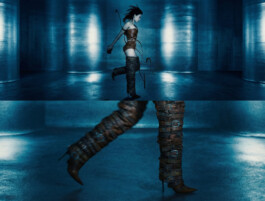
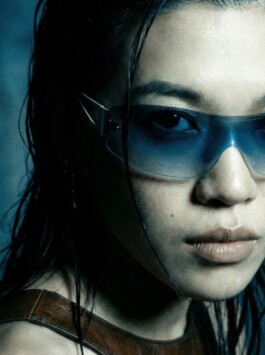
The campaign exists across multiple worlds at once, unfolding across formats and moving fluidly between screen, street, and experience — materializing without the need for a physical collection.
It took shape in fragments — through posters, projection, and digital entry points — allowing the viewer to engage with the work from multiple points of access.
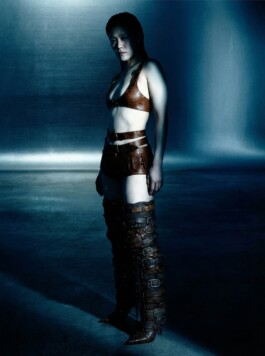
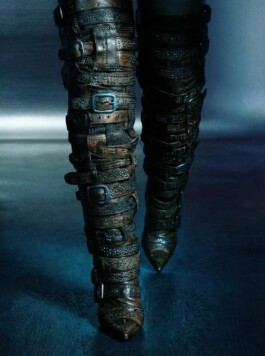
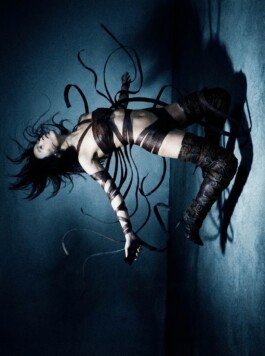
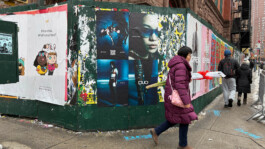
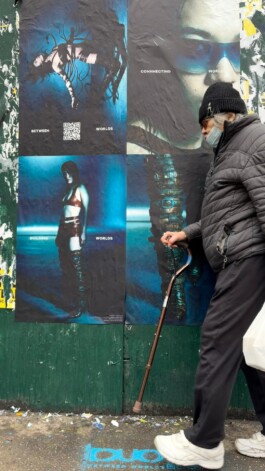
AI-generated imagery moved beyond the screen and into the city, shifting from digital to environment. Installed across Manhattan’s Chinatown, the work functioned as a series of entry points — each one opening into a different visual experience and extending the campaign further.
Distributed across streets, sidewalks, and transit pathways, QR-enabled moments connected to a digital game, allowing each encounter to lead to a new layer of the experience, revealed through interaction and curiosity.
In this context, image is no longer limited to documenting what has been produced. It can operate earlier, establishing presence and constructing identity before physical product exists.
Visibility begins to form independently of production, reshaping how fashion is introduced, experienced, and understood — and by whom.
New points of entry emerge, where presence and identity can be established without the same level of infrastructure that once defined it.
As these tools begin to reshape the structure of fashion, more space opens — and with it, a new wave emerges.
AI ARTIST & MODEL AMELIE LOLIE
GRAPHIC CONCEPT FABIAN MATTIA WEBER
CONCEPT DUO SYSTEMS


Between Worlds
The fundamentals of fashion are shifting.
Visibility has long moved through a controlled set of channels — production, image, distribution — shaping who is able to produce and present work at scale.
Image — from campaigns to brand identity — was shaped by resources. Its presence reflected the level of production behind it.
That structure is beginning to give way.
Tools that once required significant infrastructure are now within immediate reach, allowing new forms of image and narrative to be constructed and circulated.
Between Worlds was developed within this shift.
The project moves between digital image and physical installation, appearing in New York City, where the work continues beyond the image into an interactive environment.
The campaign exists across multiple worlds at once, unfolding across formats and moving fluidly between screen, street, and experience — materializing without the need for a physical collection.
It took shape in fragments — through posters, projection, and digital entry points — allowing the viewer to engage with the work from multiple points of access.
AI-generated imagery moved beyond the screen and into the city, shifting from digital to environment. Installed across Manhattan’s Chinatown, the work functioned as a series of entry points — each one opening into a different visual experience and extending the campaign further.
Distributed across streets, sidewalks, and transit pathways, QR-enabled moments connected to a digital game, allowing each encounter to lead to a new layer of the experience, revealed through interaction and curiosity.
In this context, image is no longer limited to documenting what has been produced. It can operate earlier, establishing presence and constructing identity before physical product exists.
Visibility begins to form independently of production, reshaping how fashion is introduced, experienced, and understood — and by whom.
New points of entry emerge, where presence and identity can be established without the same level of infrastructure that once defined it.
As these tools begin to reshape the structure of fashion, more space opens — and with it, a new wave emerges.
AI ARTIST & MODEL AMELIE LOLIE
GRAPHIC CONCEPT FABIAN MATTIA WEBER
CONCEPT DUO SYSTEMS