WITNESS: An Archive of Human Presence
OCTOBER 19, 2026 → WORDS ADRIÁN GOMIS EXPÓSITO
What does it mean to preserve the present when images have become almost impossible to escape? In an age of endless scrolling, accelerated image-making and AI-generated imagery, WITNESS proposes a slower answer: a physical archive designed to be looked at, returned to and remembered.

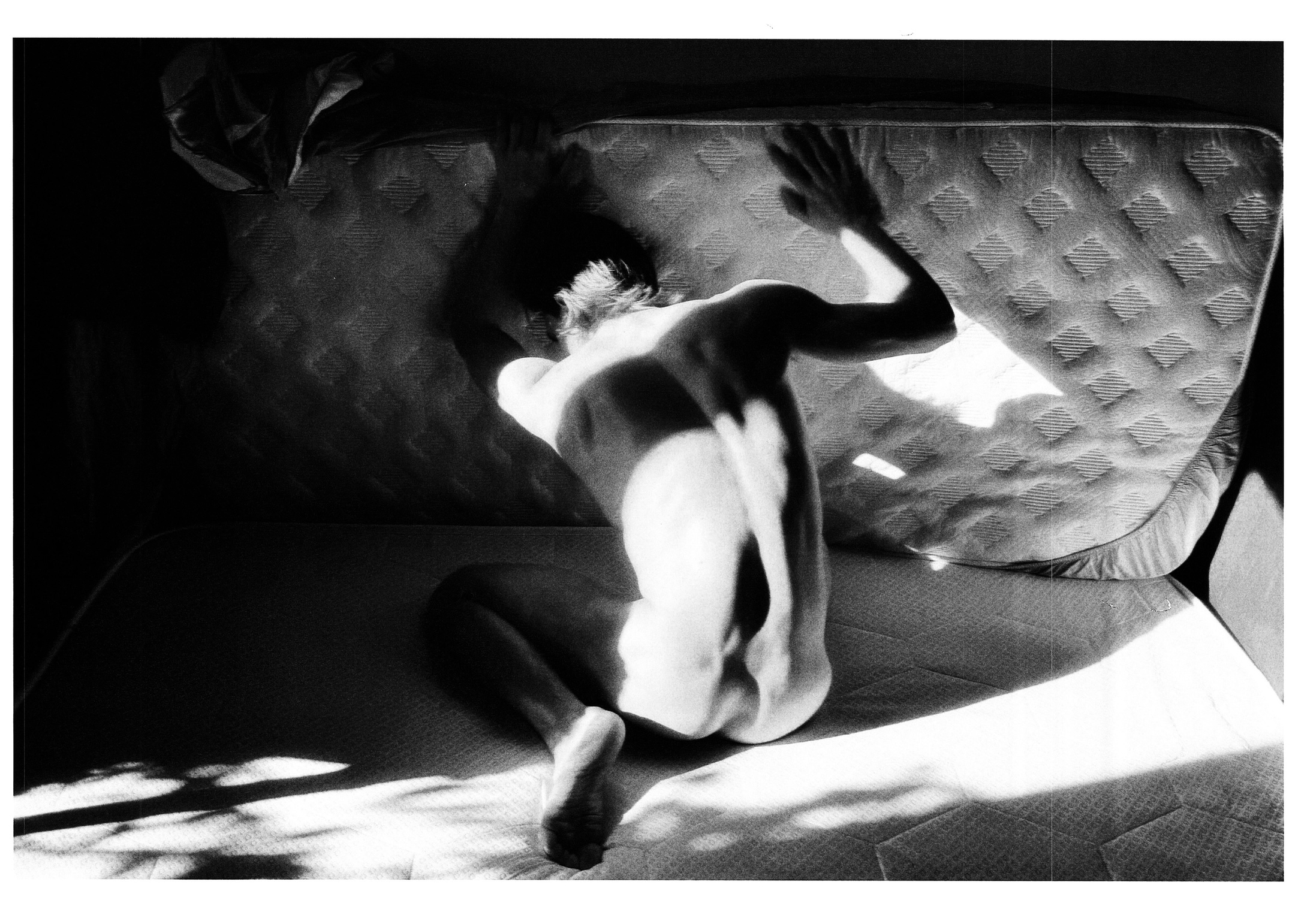
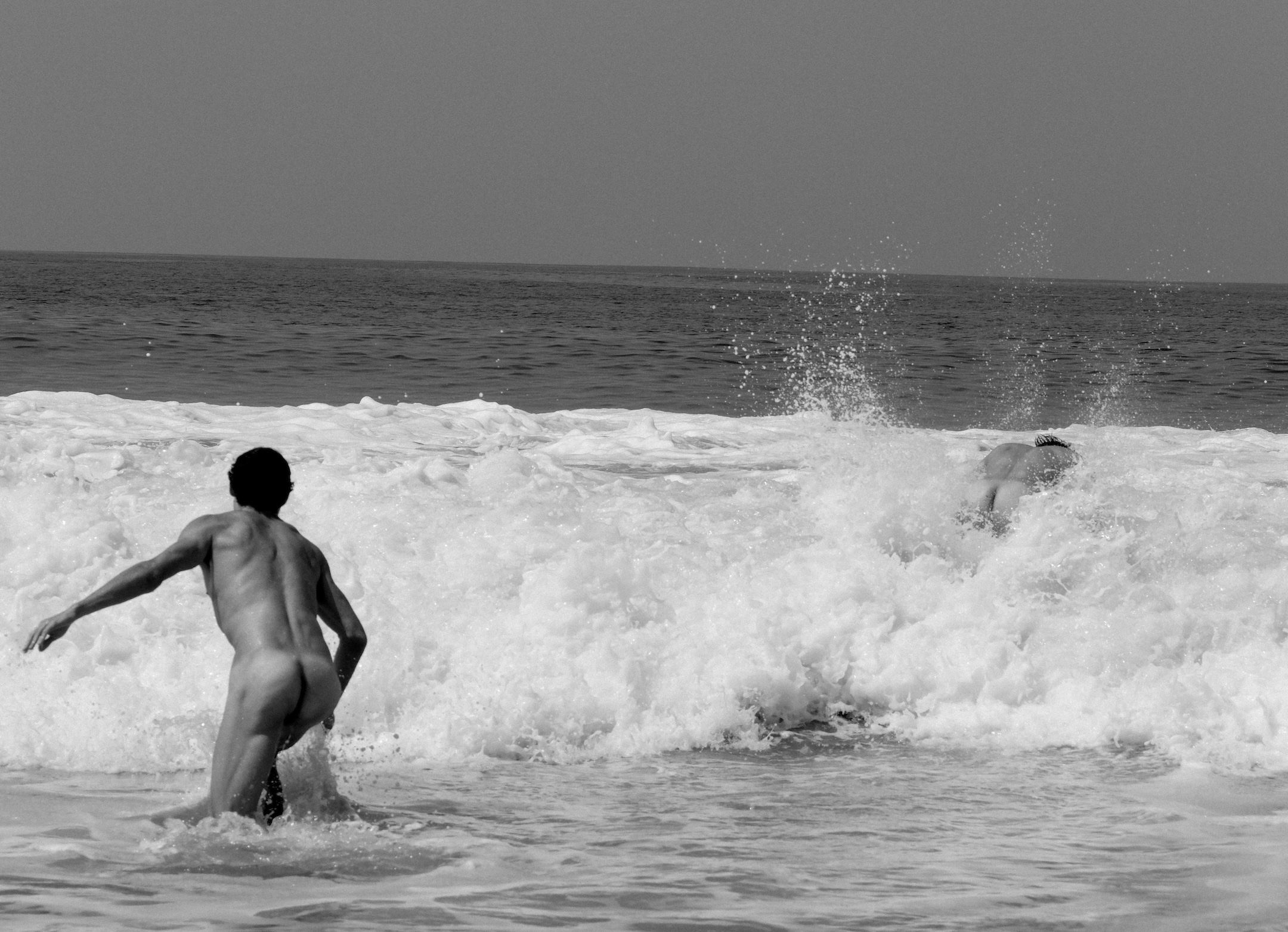
PHOTOGRAPHY MILOS NASIO
Conceived and edited by Argentine artist and photographer Matu Buiatti, WITNESS will unfold across eleven chapters between 2026 and 2036. Its first volume brings together 21 contributors from 15 countries, spanning photography, essays, poetry and personal testimony. Rather than attempting to document the world in its entirety, the project is interested in something more personal: what we choose to notice, what we choose to preserve, and what might be worth remembering once the present has become history.


PHOTOGRAPHY DOME SWEET DOME MODEL MAKSIM PANCAKE
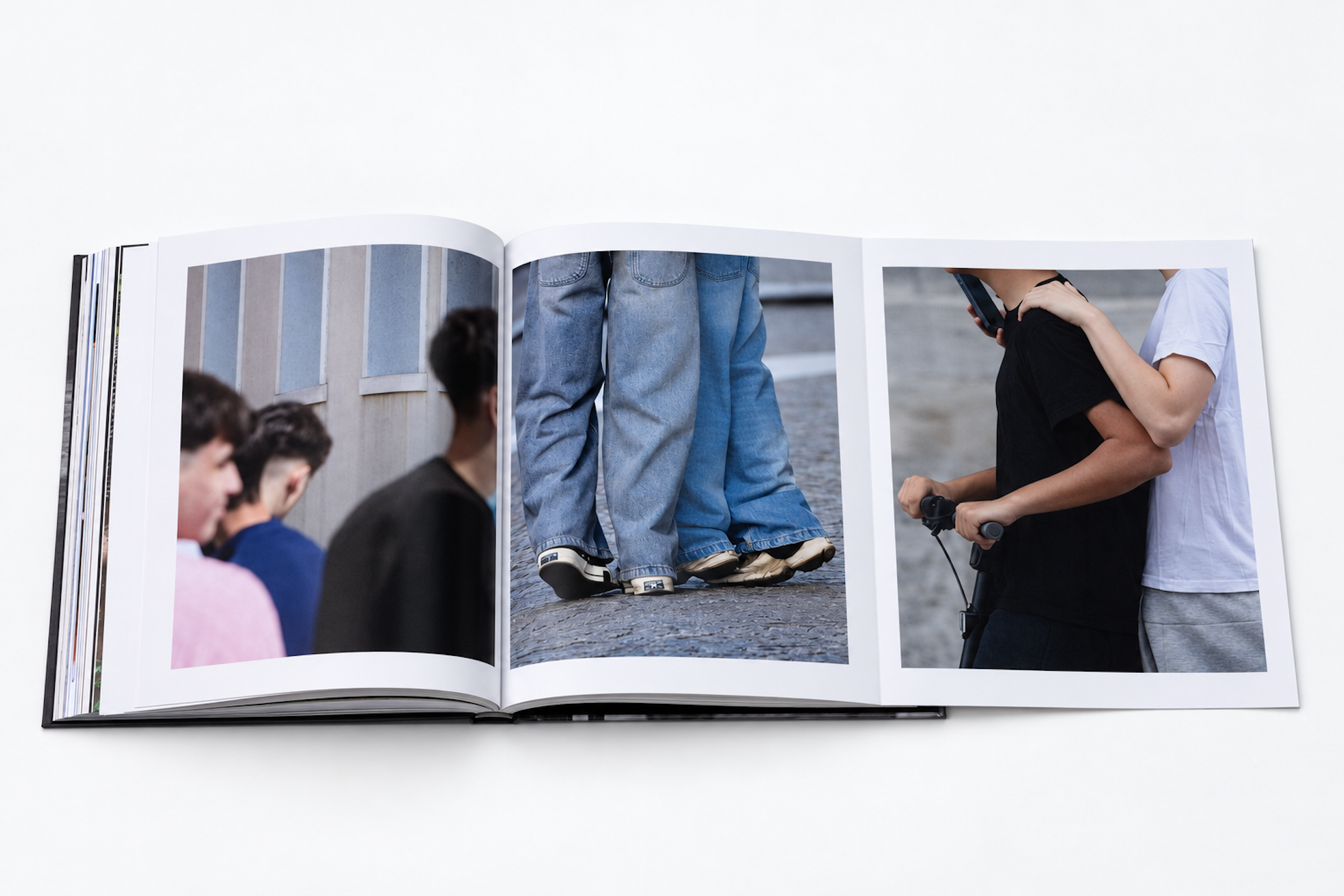
What makes WITNESS compelling is the variety of perspectives it brings together under the idea of human presence. Intimacy runs through much of the book, but rarely in just one form. Bodies appear alongside landscapes, friendships, rituals, memories and everyday gestures, creating a collection that moves between the deeply personal and the quietly documentary. Hessel Bouma and I, Adrian Gomis Exposito, approach self-portraiture from our own perspectives, while Dome Sweet Dome’s portraits of Maksim Pancake are accompanied by Pancake’s personal testimony. Kurt Wieder explores ritual and temporary belonging through photographs made in Papua New Guinea, and contributors including Irene Cruz, Milos Nasio, Rody Oliveira, Stuart Sandford and Sol Marinozzi offer distinct approaches to photographing people and their surroundings.

PHOTOGRAPHY ANDREA MEANI

PHOTOGRAPHY MILOS NASIO
My contribution consists of a series of self-portraits accompanied by an essay titled Notes on Intimacy and Time, which considers self-portraiture as a way of recognising oneself through change. This idea resonates with one of the book’s central concerns: how images can preserve experiences that might otherwise become difficult to recall. I am drawn to WITNESS’s homoerotic imagery and its treatment of the male body, where desire, vulnerability and aesthetics intersect. Yet, what makes the book especially rewarding is how these images exist alongside very different stories. Intimacy extends beyond sensuality, encompassing memory, community, personal testimony and the ways we inhabit the world.


SELF-PORTRAITS ADRIÁN GOMIS EXPÓSITO
PHOTOGRAPHY ALEJANDRO RAMÍREZ
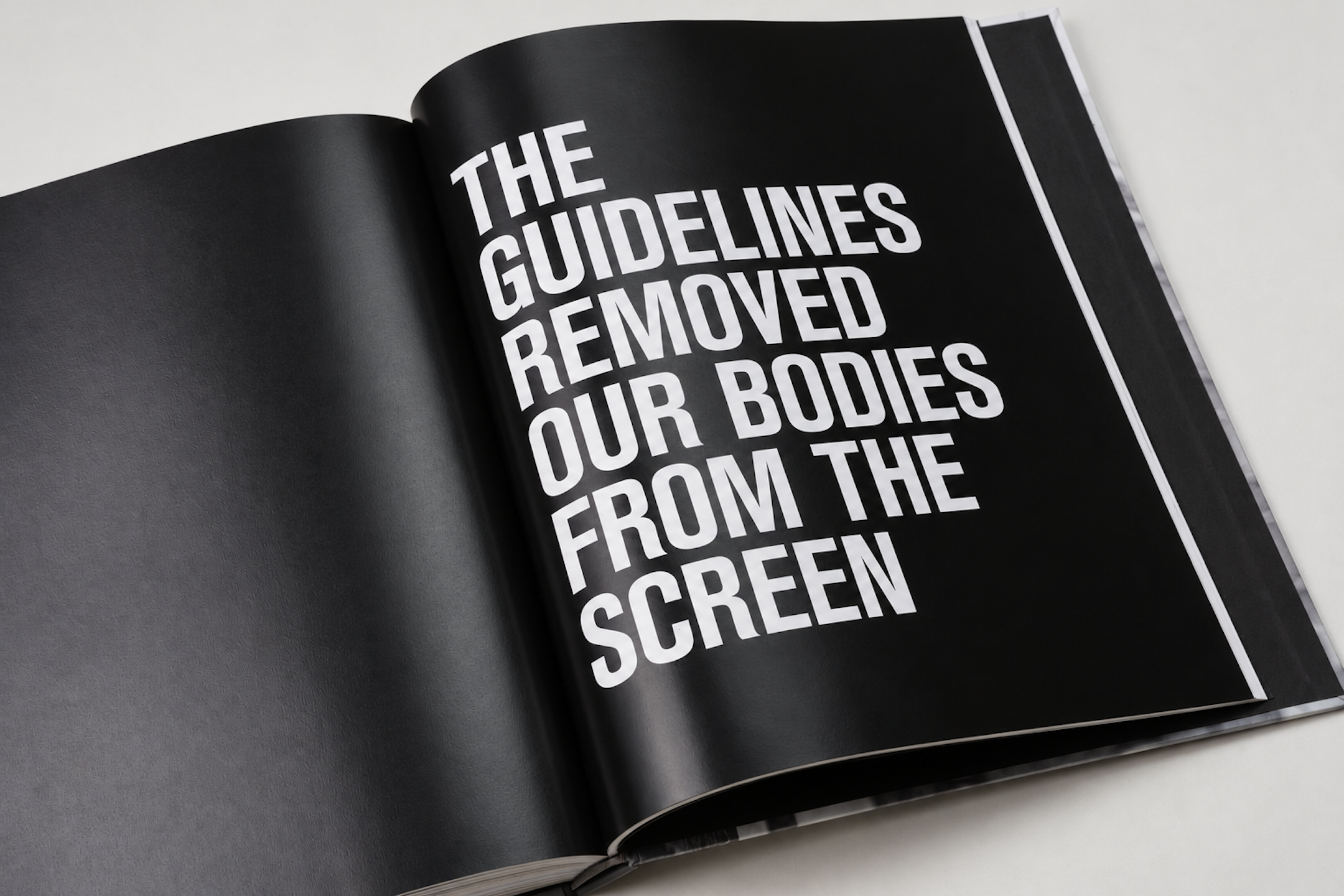
Andrea Meani and Lorenzo Tombesi bring photography and poetry into dialogue, Nadia Carolina Gómez considers the photograph as a time capsule, and Konstantin Lagger examines the changing history of the male nude. Winter Vandenbrink finds significance in everyday gestures and public encounters, while Alejandro Ramírez’s contribution incorporates his experience of earthquakes in Venezuela. A striking sequence of black pages also confronts the censorship of bodies on digital platforms. These approaches show how photography can function as personal expression, historical record, or a way of questioning how we look at others. Rather than imposing a single definition of what deserves to be preserved, WITNESS allows these perspectives to coexist, creating a broader meditation on what it means to see and be seen.

PHOTOGRAPHY STÉPHANE GIZARD MODELS BRADY, NICHOLAS

PHOTOGRAPHY BRIAN KARLSSON
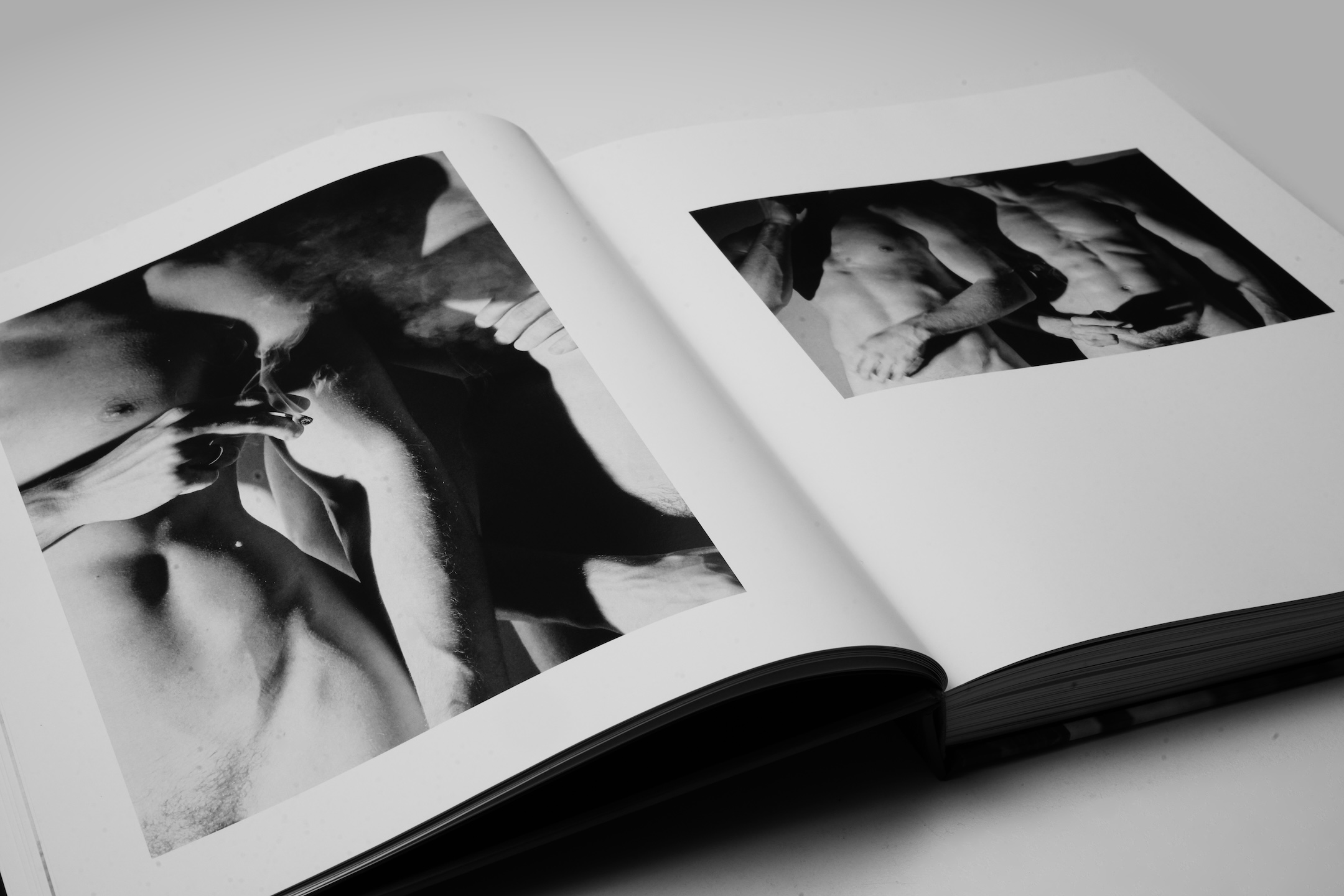
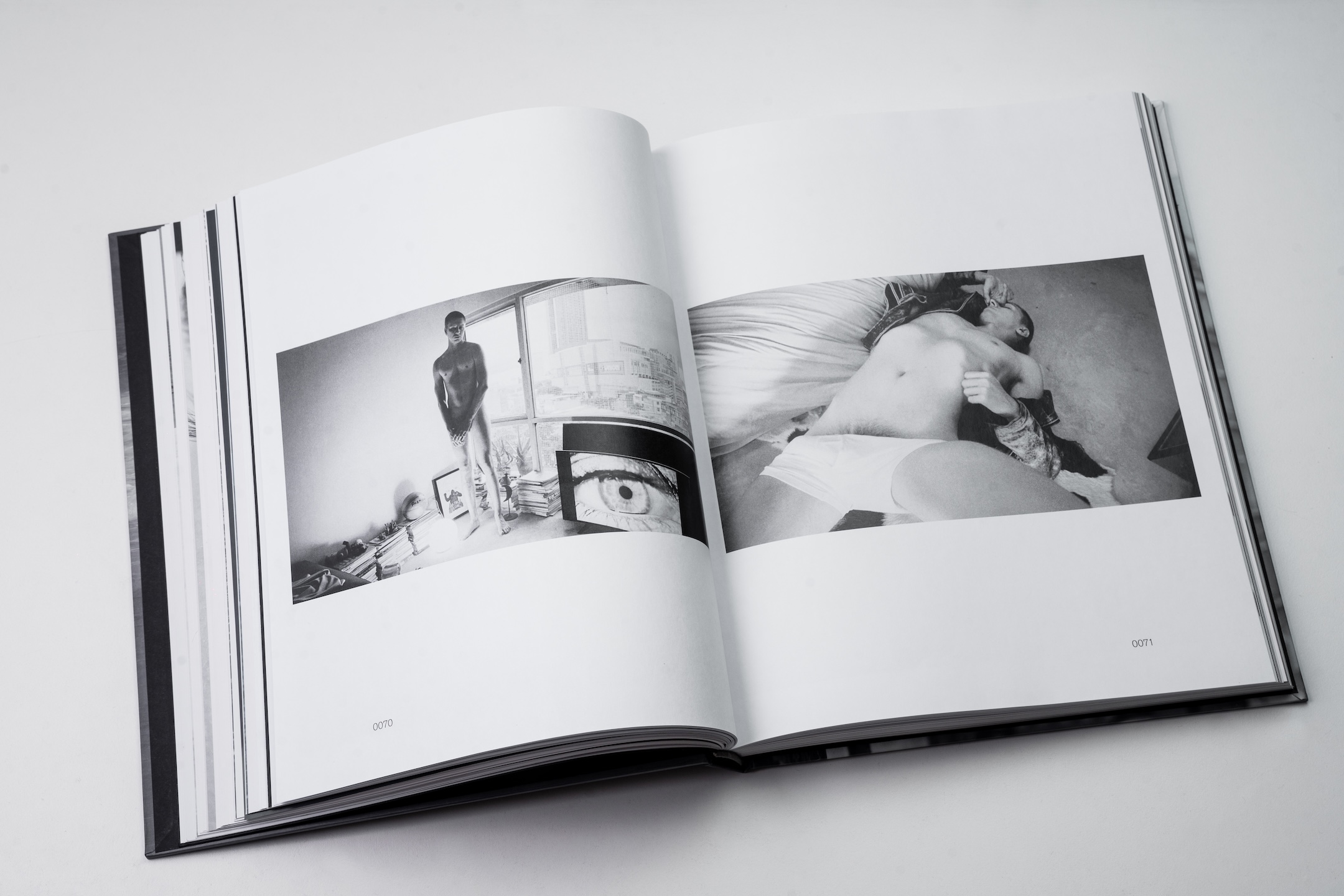
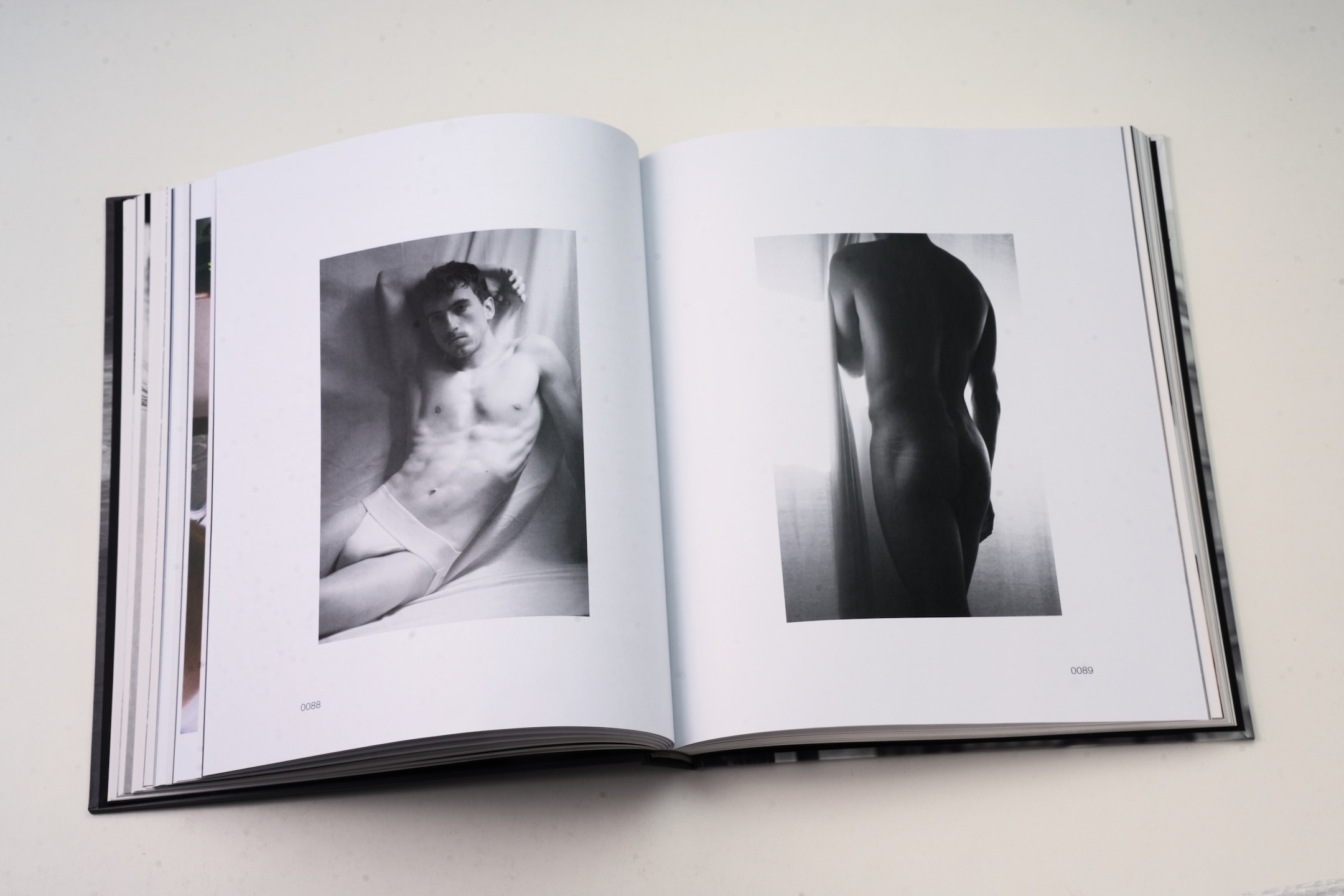
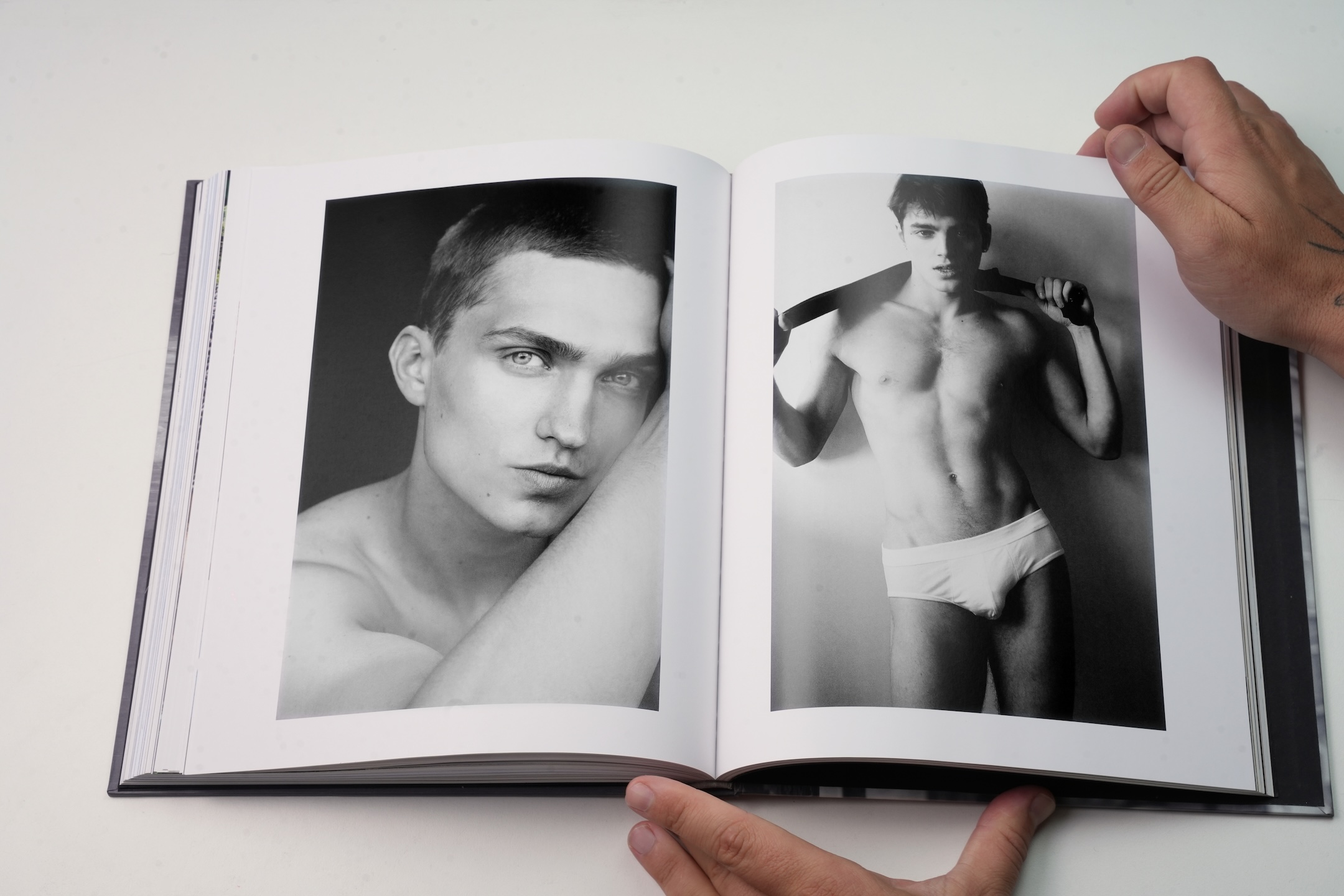
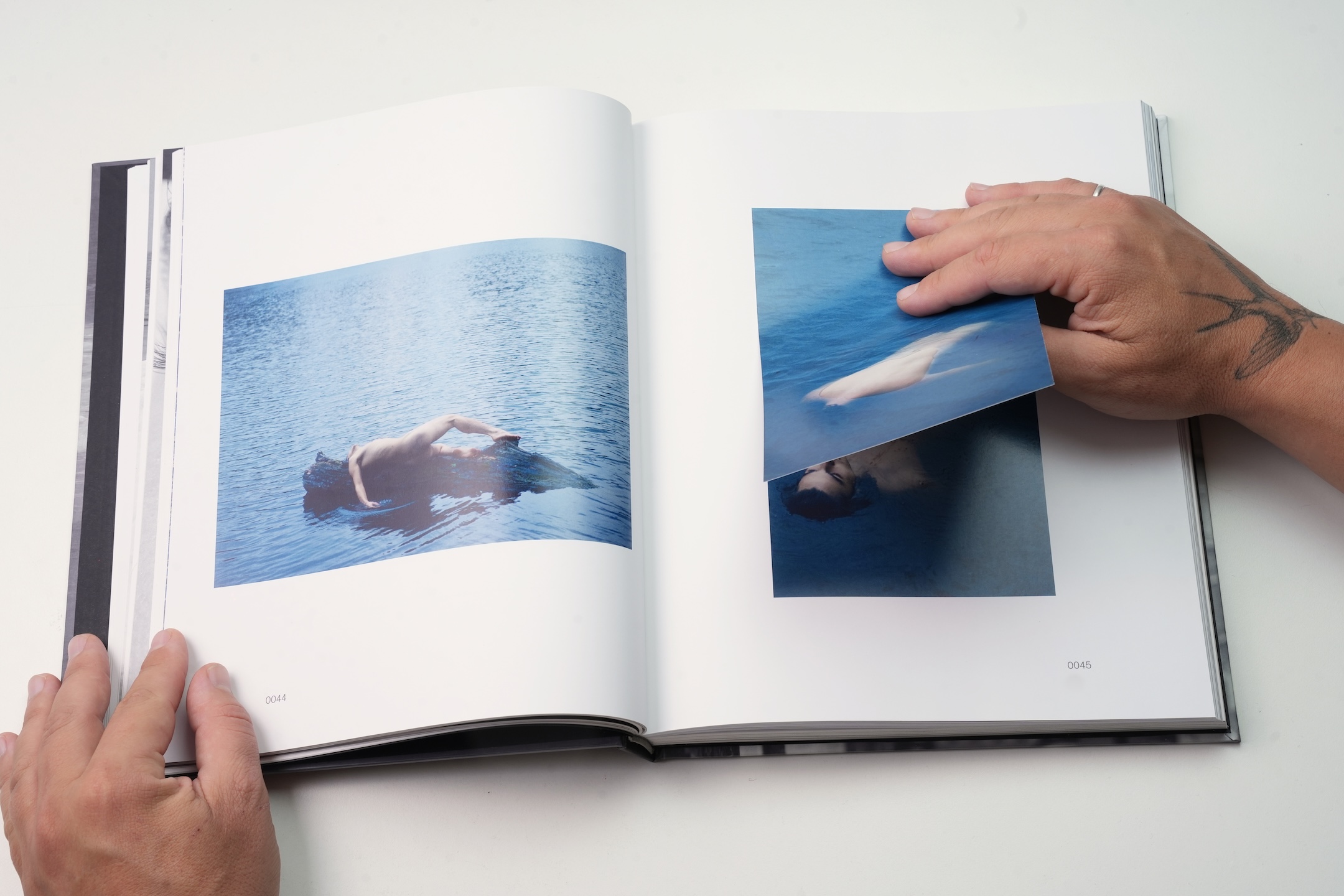
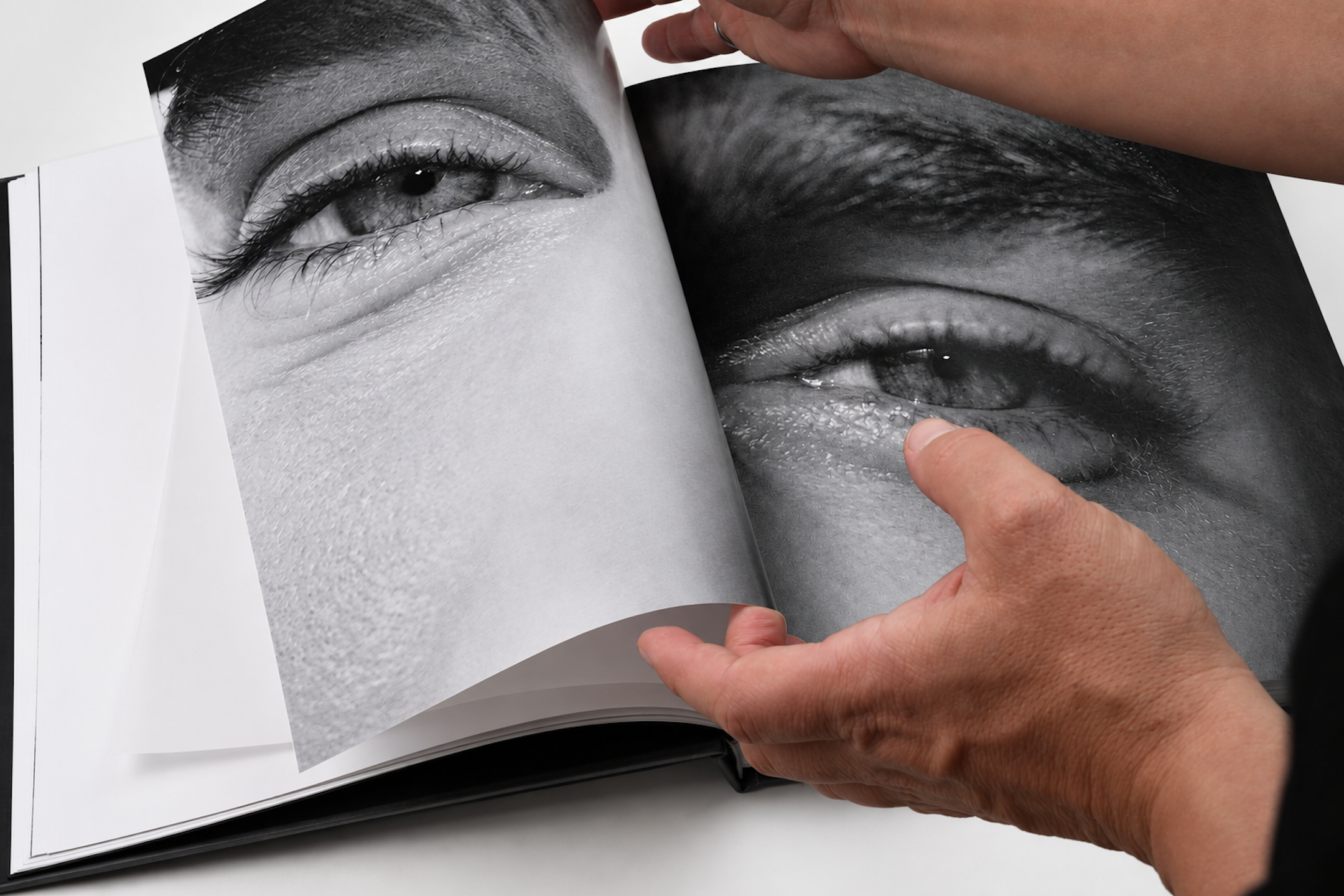
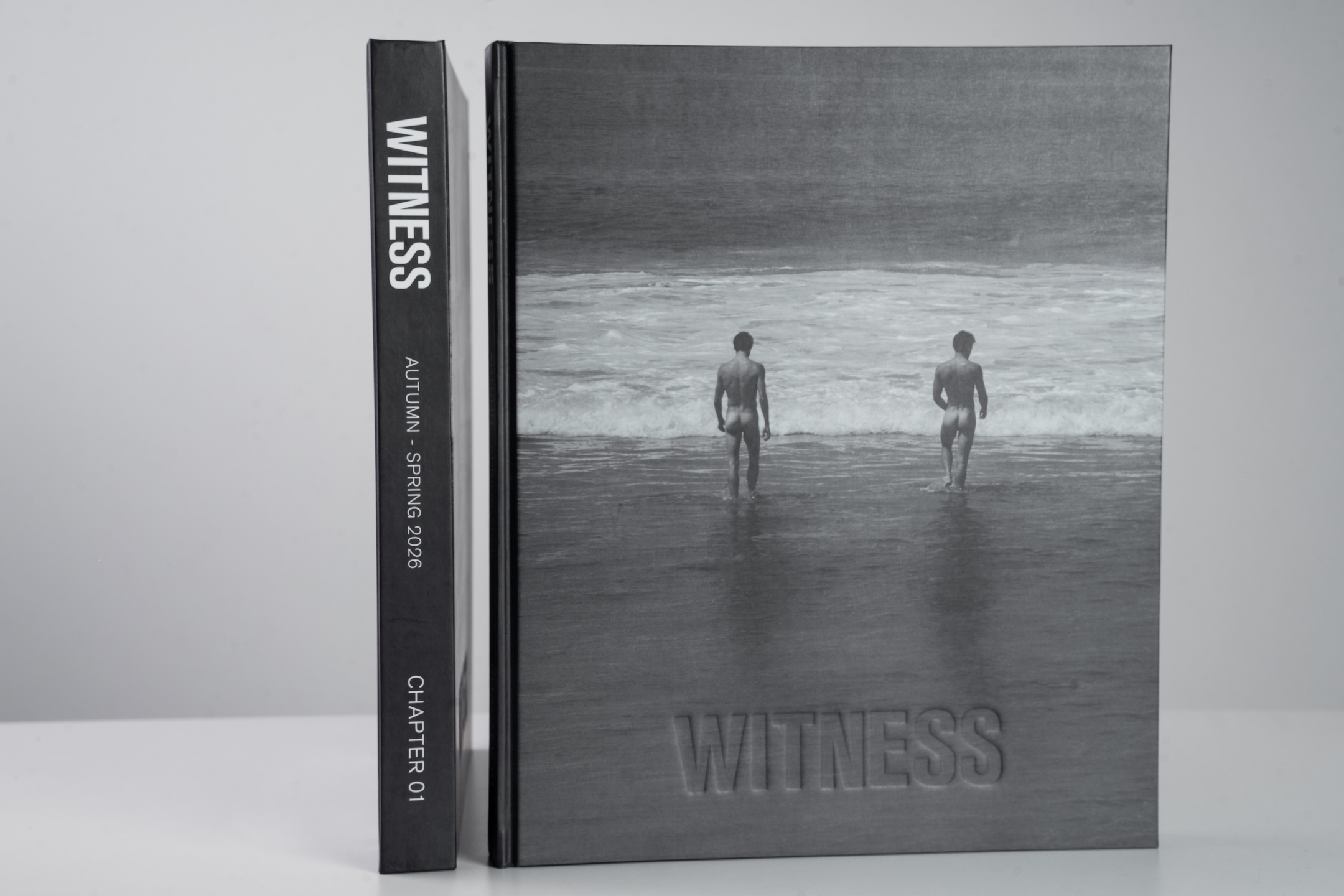
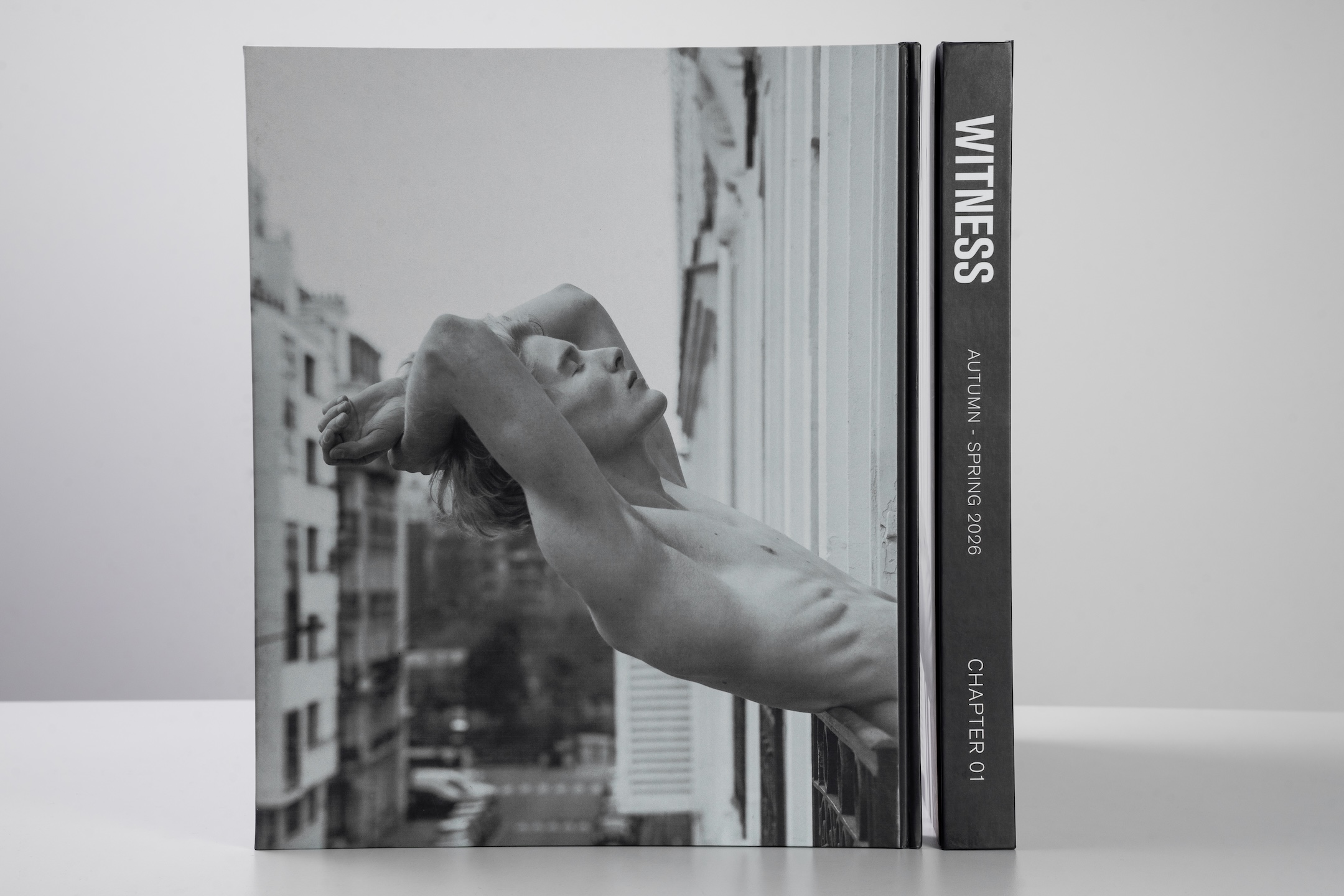
The physical book reinforces this sense of intention. Printed and hand-finished in Argentina, its 400 numbered copies combine different papers, translucent pages and fold-outs. The experience is tactile and considered, encouraging the reader to spend time with individual images rather than move immediately towards the next. Some photographs reveal themselves at once; others invite a second look. In a visual culture built around immediacy and constant replacement, there is something meaningful about an object that asks for patience.


PHOTOGRAPHY IRENE CRUZ
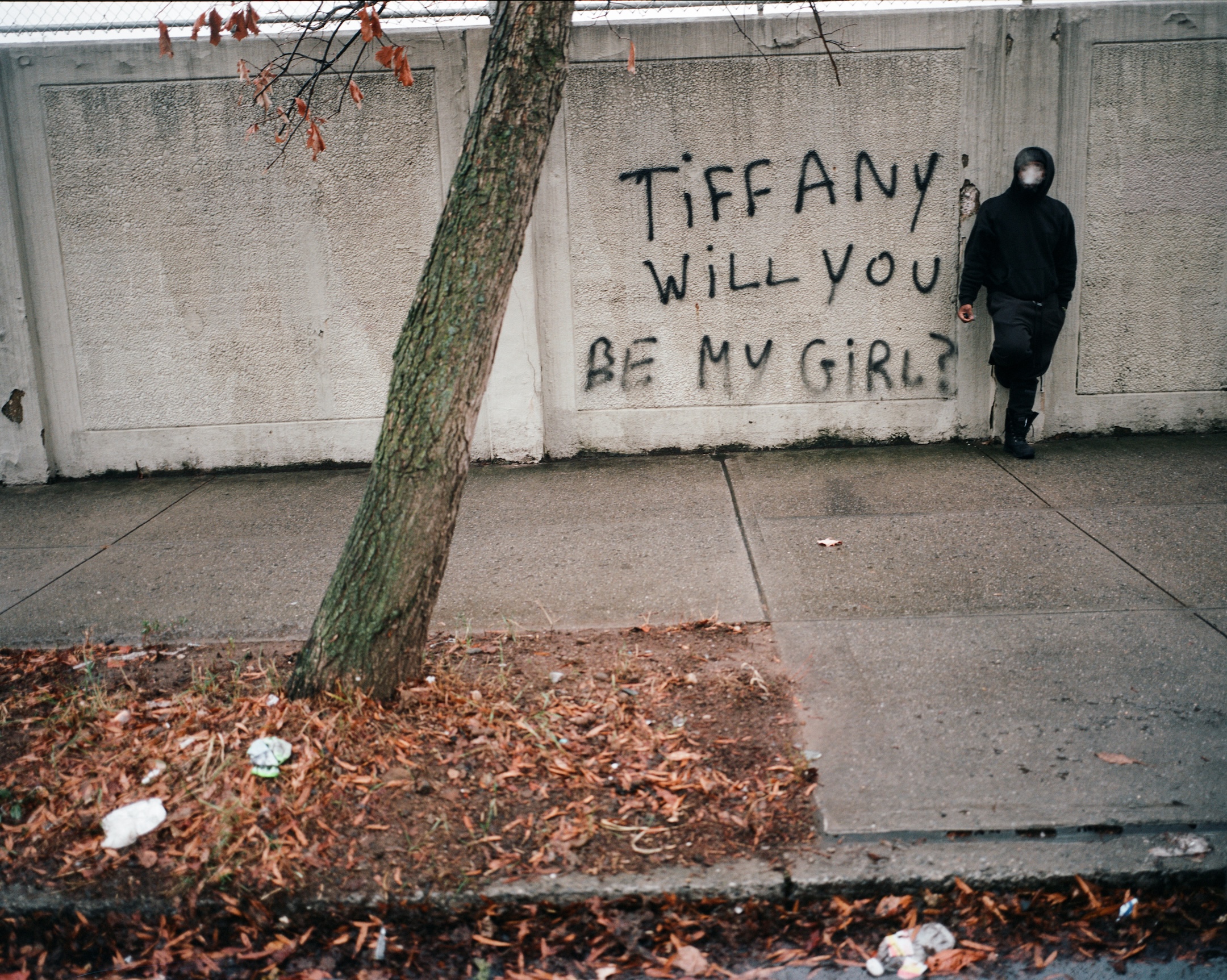
PHOTOGRAPHY WINTER VANDENBRINK
Ultimately, WITNESS is less concerned with determining which photographs deserve to survive than with exploring what happens when we choose to preserve something at all. A body, a friendship, a landscape or an ordinary gesture can become evidence of having been here, taking on new meaning as time passes.


PHOTOGRAPHY MILOS NASIO
Chapter 01 is only the beginning. Ten further chapters will follow until 2036, building an archive shaped by the lives, experiences and changing perspectives of its contributors.
Perhaps this is what makes WITNESS so compelling: its reminder that the present is worth paying attention to before it becomes the past. To preserve an image is to acknowledge that nothing remains quite as it is, and that sometimes, simply looking closely is already a way of remembering.


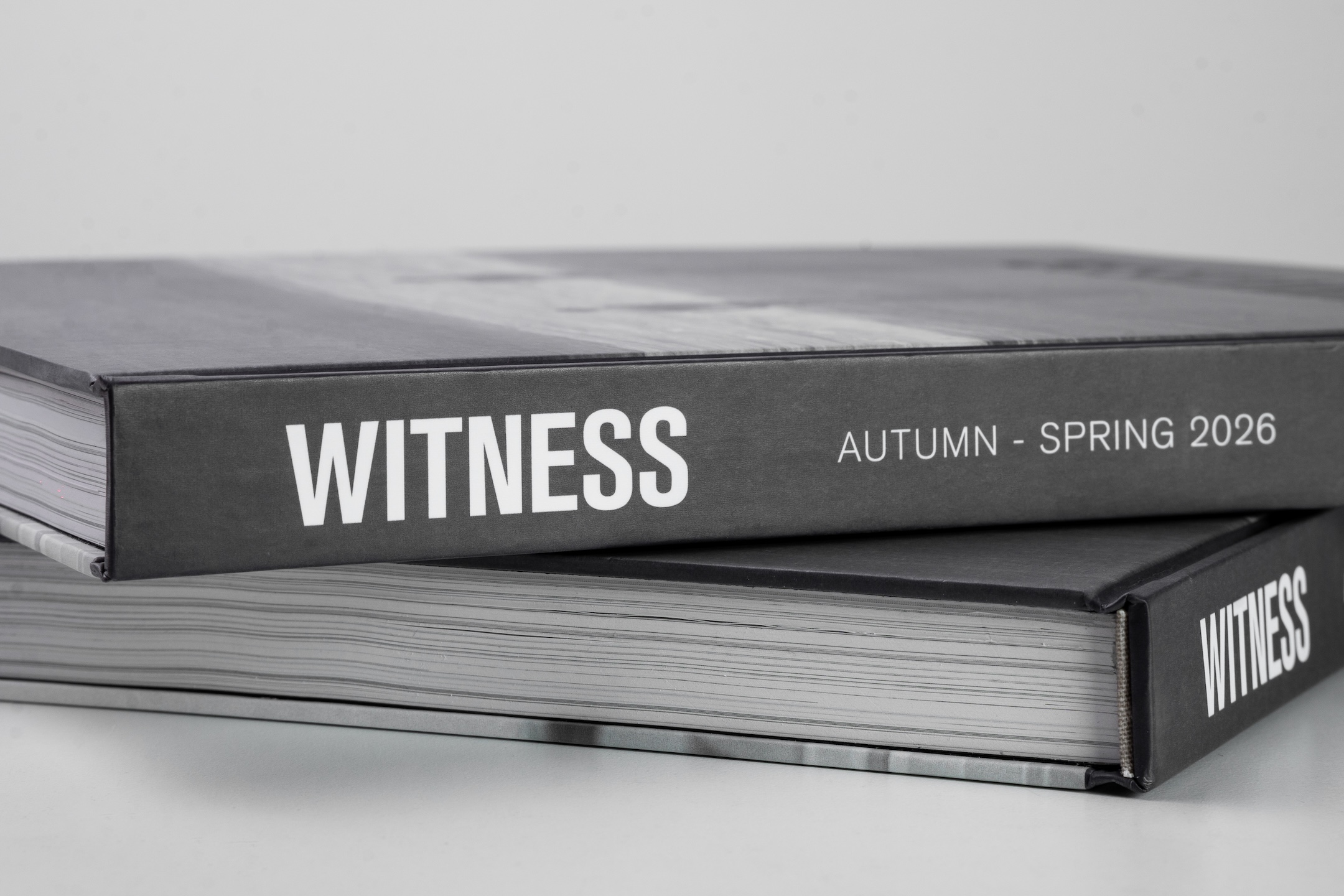
WITNESS COVER AND BACK COVER
Step into the world of WITNESS — Chapter 01 and get your copy. Discover the book at WITNESS Editions and follow @witness.editions on Instagram to follow the journey into its next chapter.
WITNESS: An Archive of Human Presence
OCTOBER 19, 2026
WORDS ADRIÁN GOMIS EXPÓSITO
What does it mean to preserve the present when images have become almost impossible to escape? In an age of endless scrolling, accelerated image-making and AI-generated imagery, WITNESS proposes a slower answer: a physical archive designed to be looked at, returned to and remembered.

PHOTOGRAPHY MILOS NASIO
Conceived and edited by Argentine artist and photographer Matu Buiatti, WITNESS will unfold across eleven chapters between 2026 and 2036. Its first volume brings together 21 contributors from 15 countries, spanning photography, essays, poetry and personal testimony. Rather than attempting to document the world in its entirety, the project is interested in something more personal: what we choose to notice, what we choose to preserve, and what might be worth remembering once the present has become history.

PHOTOGRAPHY DOME SWEET DOME MODEL MAKSIM PANCAKE

What makes WITNESS compelling is the variety of perspectives it brings together under the idea of human presence. Intimacy runs through much of the book, but rarely in just one form. Bodies appear alongside landscapes, friendships, rituals, memories and everyday gestures, creating a collection that moves between the deeply personal and the quietly documentary. Hessel Bouma and I, Adrian Gomis Exposito, approach self-portraiture from our own perspectives, while Dome Sweet Dome’s portraits of Maksim Pancake are accompanied by Pancake’s personal testimony. Kurt Wieder explores ritual and temporary belonging through photographs made in Papua New Guinea, and contributors including Irene Cruz, Milos Nasio, Rody Oliveira, Stuart Sandford and Sol Marinozzi offer distinct approaches to photographing people and their surroundings.

PHOTOGRAPHY ANDREA MEANI

PHOTOGRAPHY MILOS NASIO
My contribution consists of a series of self-portraits accompanied by an essay titled Notes on Intimacy and Time, which considers self-portraiture as a way of recognising oneself through change. This idea resonates with one of the book’s central concerns: how images can preserve experiences that might otherwise become difficult to recall. I am drawn to WITNESS’s homoerotic imagery and its treatment of the male body, where desire, vulnerability and aesthetics intersect. Yet, what makes the book especially rewarding is how these images exist alongside very different stories. Intimacy extends beyond sensuality, encompassing memory, community, personal testimony and the ways we inhabit the world.

SELF-PORTRAITS ADRIÁN GOMIS EXPÓSITO

PHOTOGRAPHY ALEJANDRO RAMÍREZ
Andrea Meani and Lorenzo Tombesi bring photography and poetry into dialogue, Nadia Carolina Gómez considers the photograph as a time capsule, and Konstantin Lagger examines the changing history of the male nude. Winter Vandenbrink finds significance in everyday gestures and public encounters, while Alejandro Ramírez’s contribution incorporates his experience of earthquakes in Venezuela. A striking sequence of black pages also confronts the censorship of bodies on digital platforms. These approaches show how photography can function as personal expression, historical record, or a way of questioning how we look at others. Rather than imposing a single definition of what deserves to be preserved, WITNESS allows these perspectives to coexist, creating a broader meditation on what it means to see and be seen.

PHOTOGRAPHY STÉPHANE GIZARD MODELS BRADY, NICHOLAS

PHOTOGRAPHY BRIAN KARLSSON
The physical book reinforces this sense of intention. Printed and hand-finished in Argentina, its 400 numbered copies combine different papers, translucent pages and fold-outs. The experience is tactile and considered, encouraging the reader to spend time with individual images rather than move immediately towards the next. Some photographs reveal themselves at once; others invite a second look. In a visual culture built around immediacy and constant replacement, there is something meaningful about an object that asks for patience.

PHOTOGRAPHY IRENE CRUZ

PHOTOGRAPHY WINTER VANDENBRINK
Ultimately, WITNESS is less concerned with determining which photographs deserve to survive than with exploring what happens when we choose to preserve something at all. A body, a friendship, a landscape or an ordinary gesture can become evidence of having been here, taking on new meaning as time passes.


PHOTOGRAPHY MILOS NASIO
Chapter 01 is only the beginning. Ten further chapters will follow until 2036, building an archive shaped by the lives, experiences and changing perspectives of its contributors.
Perhaps this is what makes WITNESS so compelling: its reminder that the present is worth paying attention to before it becomes the past. To preserve an image is to acknowledge that nothing remains quite as it is, and that sometimes, simply looking closely is already a way of remembering.


WITNESS COVER AND BACK COVER
Step into the world of WITNESS — Chapter 01 and get your copy. Discover the book at WITNESS Editions and follow @witness.editions on Instagram to follow the journey into its next chapter.