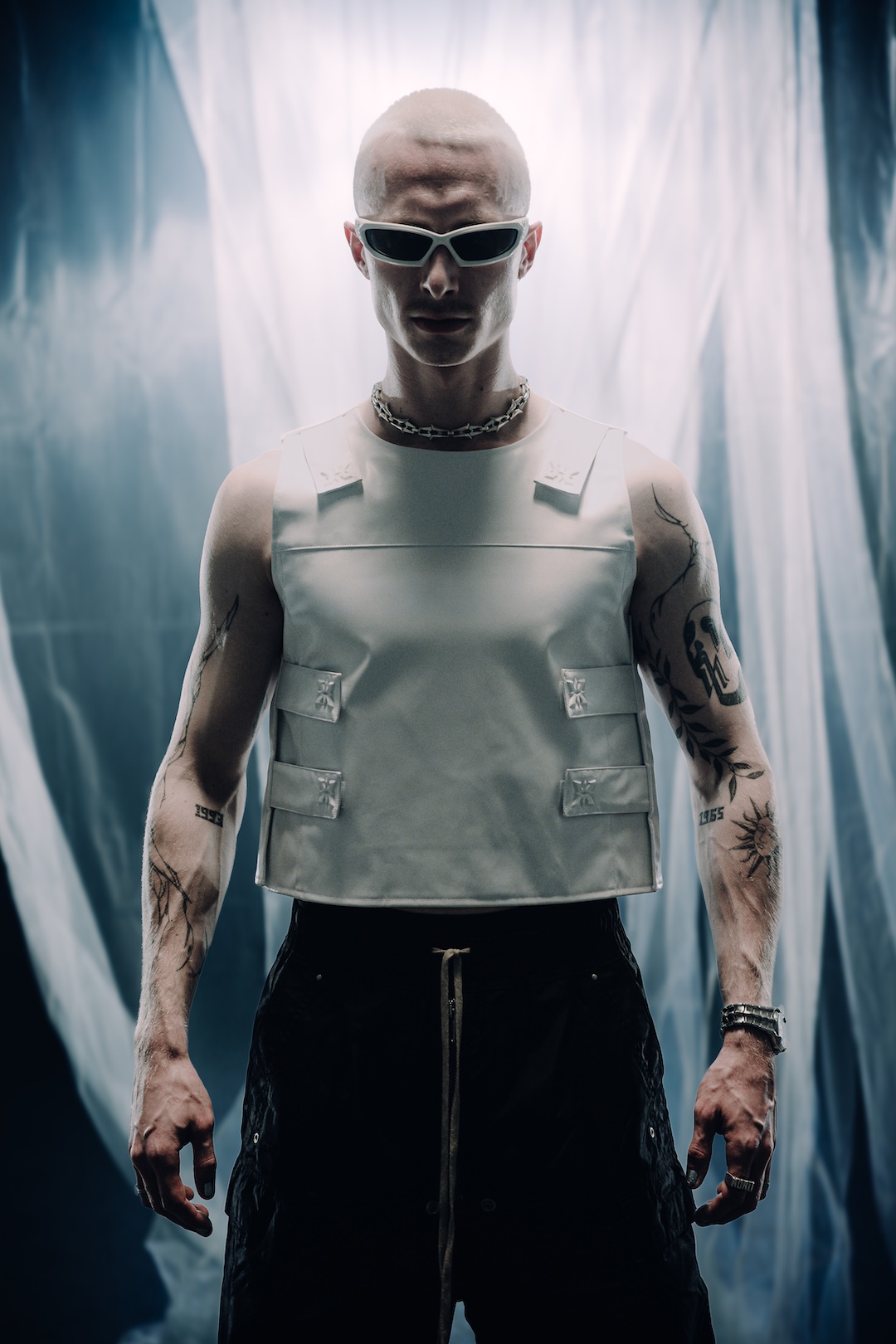
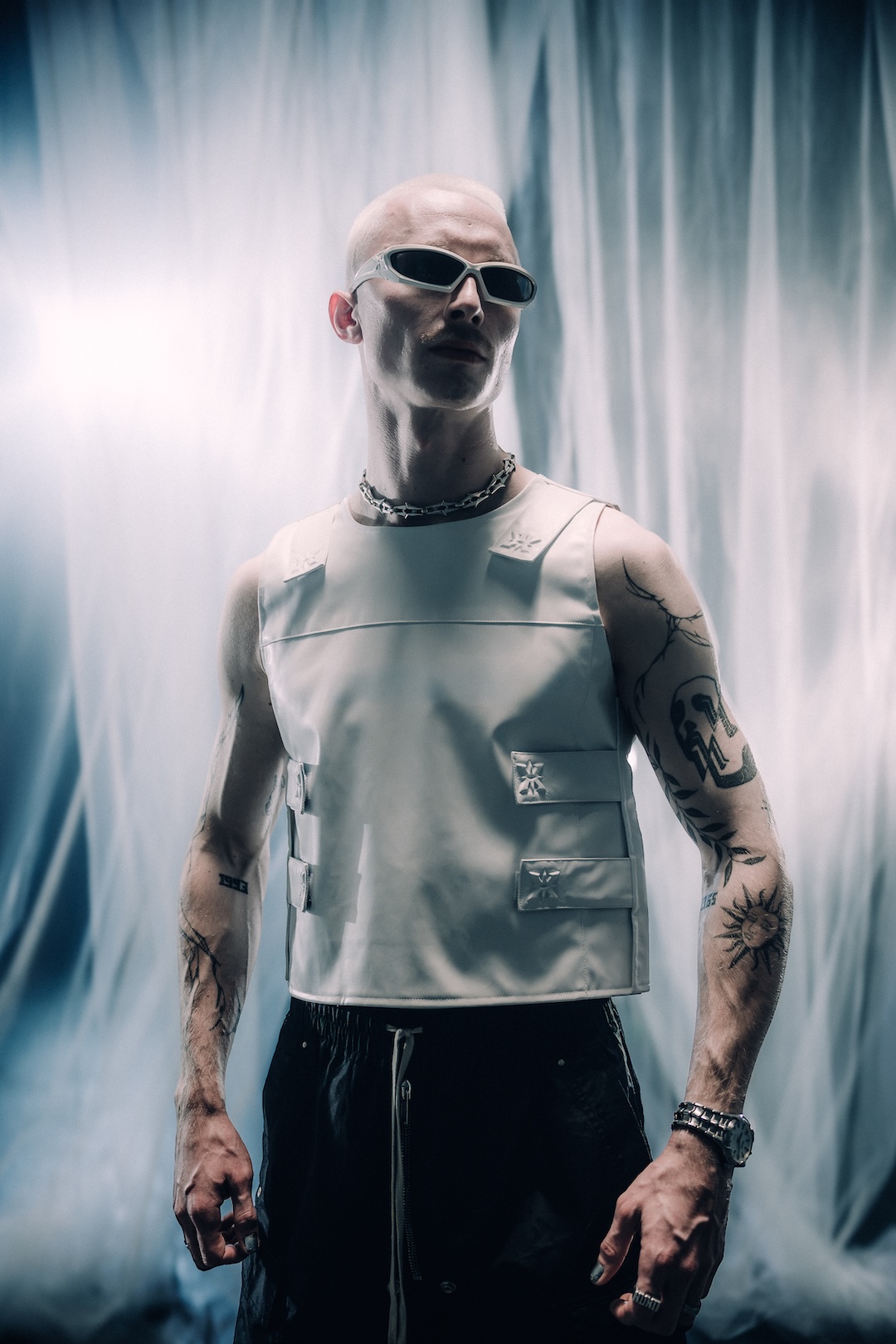
In conversation w/ KUKO
SEPTEMBER 28, 2026
KUKO emerged from Cologne’s hard techno scene, building a sound and identity that has reached far beyond the city’s underground. With the release of his debut album CATHARSIS, KUKO brings his influences together, moving through different emotions, from fear and pressure to confrontation and acceptance, and finally, release.
In this exclusive interview, KUKO expands on the world behind CATHARSIS, the experiences and communities that shaped it, and what it means to create his most personal work to date.


What feels different about making an album compared to your other releases?
My music always comes from an emotional place, but working on the album gave me more space to be creative. Structuring five-chapters around everything I’ve ever carried, lost, experienced, suppressed and survived, rather than trying to separate those feelings into different projects and singles, I wanted to let them exist together and build a larger narrative. The creative freedom was probably the biggest difference for me. I wasn’t only making tracks - I was building a world and giving myself the chance to explore my creative process.
What does CATHARSIS look like for you?
CATHARSIS is not about escaping darkness. It is about moving through it, allowing yourself to feel the full spectrum of emotions, good and bad. The music becomes part of that process. If I can feel the tension, pain, beauty or release in it, then I hope the listener can experience this too.
You grew out of Cologne’s club and underground culture, but now you’re playing all over the world. What parts of where you started still show up in the way you perform and make music?
The underground culture in Cologne is very instinctive, you learn to take risks, and to respond to what is happening in front of you. The crowd, the energy, the moment all become part of the music. That connection to the room is something I will always carry with me, no matter where I am playing.


The album includes artists like Tokio Hotel, Frauenzarzt, Toxi Mami and 9inebro. What makes these collaborations interesting to you?
What makes the collaborations on CATHARSIS interesting, is that each artist brings a different cultural influence to the album. The features bring together a lot of different scenes and perspectives - different legacies, internet culture, fashion and electronic music. I’m interested in collaborations where artists come from different contexts, but somehow make sense together.
The club is obviously central to your music, but CATHARSIS has a much more cinematic quality, which resonated with your large stage festival performances this summer. Were you considering this when making the album?
Yeah, definitely. The club is still a big part of how I think about music, but with this album I wanted it to work outside of that of the club too. Being able to debut the tracks across huge festivals and open air stages like Tomorrowland and NIBIRII really helped with the context. I was thinking more about atmosphere and emotion, and how the music feels regardless of where you are listening to it, whether that is in a club, at a festival, or in your room on your own.
Once CATHARSIS is out in the world, what are you most curious to see happen with it?
I can’t wait to see everyone’s individual interpretations of the project. This release is very personal to me, and I am curious to see which tracks resonate with who the most, and why. Being able to celebrate the release of the album in my home town of Cologne ties everything together perfectly, I can’t wait to watch CATHARSIS take on a life of its own.
In conversation w/ KUKO
SEPTEMBER 28, 2026
KUKO emerged from Cologne’s hard techno scene, building a sound and identity that has reached far beyond the city’s underground. With the release of his debut album CATHARSIS, KUKO brings his influences together, moving through different emotions, from fear and pressure to confrontation and acceptance, and finally, release.
In this exclusive interview, KUKO expands on the world behind CATHARSIS, the experiences and communities that shaped it, and what it means to create his most personal work to date.


What feels different about making an album compared to your other releases?
My music always comes from an emotional place, but working on the album gave me more space to be creative. Structuring five-chapters around everything I’ve ever carried, lost, experienced, suppressed and survived, rather than trying to separate those feelings into different projects and singles, I wanted to let them exist together and build a larger narrative. The creative freedom was probably the biggest difference for me. I wasn’t only making tracks - I was building a world and giving myself the chance to explore my creative process.
What does CATHARSIS look like for you?
CATHARSIS is not about escaping darkness. It is about moving through it, allowing yourself to feel the full spectrum of emotions, good and bad. The music becomes part of that process. If I can feel the tension, pain, beauty or release in it, then I hope the listener can experience this too.
You grew out of Cologne’s club and underground culture, but now you’re playing all over the world. What parts of where you started still show up in the way you perform and make music?
The underground culture in Cologne is very instinctive, you learn to take risks, and to respond to what is happening in front of you. The crowd, the energy, the moment all become part of the music. That connection to the room is something I will always carry with me, no matter where I am playing.


The album includes artists like Tokio Hotel, Frauenzarzt, Toxi Mami and 9inebro. What makes these collaborations interesting to you?
What makes the collaborations on CATHARSIS interesting, is that each artist brings a different cultural influence to the album. The features bring together a lot of different scenes and perspectives - different legacies, internet culture, fashion and electronic music. I’m interested in collaborations where artists come from different contexts, but somehow make sense together.
The club is obviously central to your music, but CATHARSIS has a much more cinematic quality, which resonated with your large stage festival performances this summer. Were you considering this when making the album?
Yeah, definitely. The club is still a big part of how I think about music, but with this album I wanted it to work outside of that of the club too. Being able to debut the tracks across huge festivals and open air stages like Tomorrowland and NIBIRII really helped with the context. I was thinking more about atmosphere and emotion, and how the music feels regardless of where you are listening to it, whether that is in a club, at a festival, or in your room on your own.
Once CATHARSIS is out in the world, what are you most curious to see happen with it?
I can’t wait to see everyone’s individual interpretations of the project. This release is very personal to me, and I am curious to see which tracks resonate with who the most, and why. Being able to celebrate the release of the album in my home town of Cologne ties everything together perfectly, I can’t wait to watch CATHARSIS take on a life of its own.