In Conversation w/ Luciano Doria, BFW SS27 Streetstyle Photography Award Winner
AUGUST 20, 2026 → WORDS ADRIÁN GOMIS EXPÓSITO
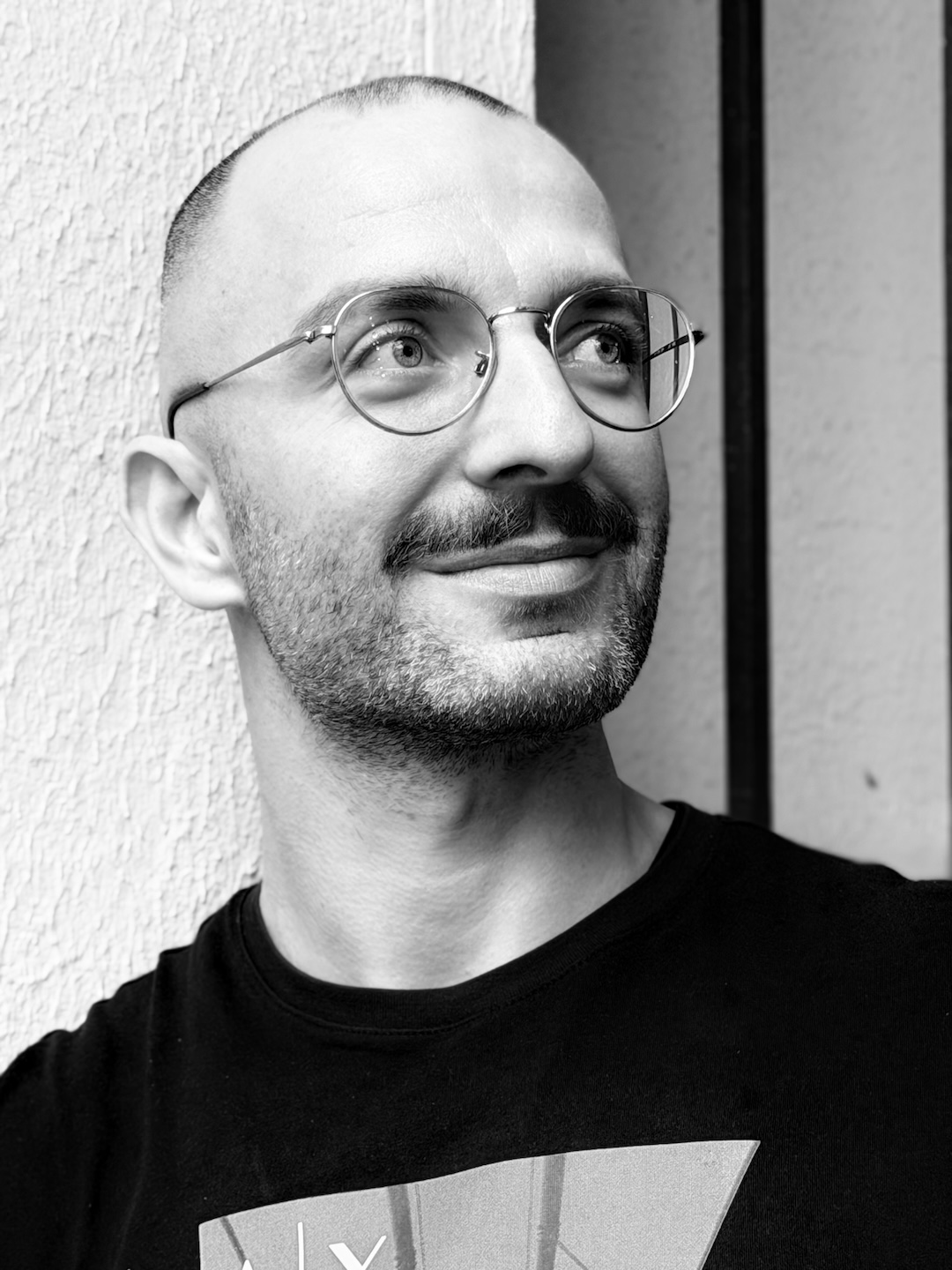
We speak with Luciano Doria, the Italian photographer whose instinctive approach to streetstyle earned him the Berlin Fashion Week Streetstyle Photography Award, developed with huge success by Fashion Council Germany and Berlin Fashion Week. As the winner, Luciano will join the official Berlin Fashion Week photography team next season.
From his beginnings between Vicenza and Milan to discovering Berlin as a place where fashion, identity and self-expression collide, Doria’s photography is driven by curiosity and a fascination with the people behind the clothes. In this conversation, he reflects on the energy of Berlin Fashion Week, the importance of capturing spontaneous moments rather than posed images, and how his perspective has evolved through both photography and life. He also opens up about balancing his creative practice with a part-time job, the freedom that comes with making photography without financial pressure, and his desire to explore how culture and identity shape streetstyle around the world.
Let’s start at the very beginning of everything. What first drew you to photography, and when did you realise that photographing people and streetstyle was something you wanted to explore more seriously?
I initially started working as a fashion photographer between my hometown in Italy, Vicenza, and Milan. But what gradually struck me most was the energy of people and the way their personalities could be reflected in what they wore. When I travel, one of the things I love photographing most is the people of a place. It was in Berlin, though, that I really understood how much I enjoy streetstyle photography.
You’ve described curiosity as an important part of your journey. What is it that makes you stop and photograph someone? Is it the way they dress, their attitude, something more instinctive?
There are some people I notice from quite far away, and most of the time it’s very instinctive. I really love people who put care and energy into the way they dress. Maybe that’s my Italian heritage. My mother used to tell me all the time, “Not that jacket”, or “Put on the other trousers”. She lost that battle with me, though: I’m still quite scruffy myself. But I really admire people who put something of themselves into what they wear. And beyond the clothes, personality is incredibly important to me.
Your journey eventually led you to Berlin Fashion Week. What was it about Berlin, and the fashion week environment specifically, that caught your attention?
Berlin is a place where many people, especially minorities such as the queer community, but also designers and artists, can express themselves very freely. Being such a multicultural city, it has also become a safe haven for many people coming from places where minorities are not as protected. Unfortunately, recent events have also reminded us that nowhere is completely safe, but I admire the courage and strength of people who continue to be themselves despite fear. For me, Berlin Fashion Week is almost a reflection of that spirit. That energy fascinates me, and I find it very difficult to find the same feeling elsewhere.
Streetstyle photography is often associated with fashion, but your work seems equally interested in the person behind the clothes. When you’re photographing someone, how important is it for you to capture their personality rather than simply their look?
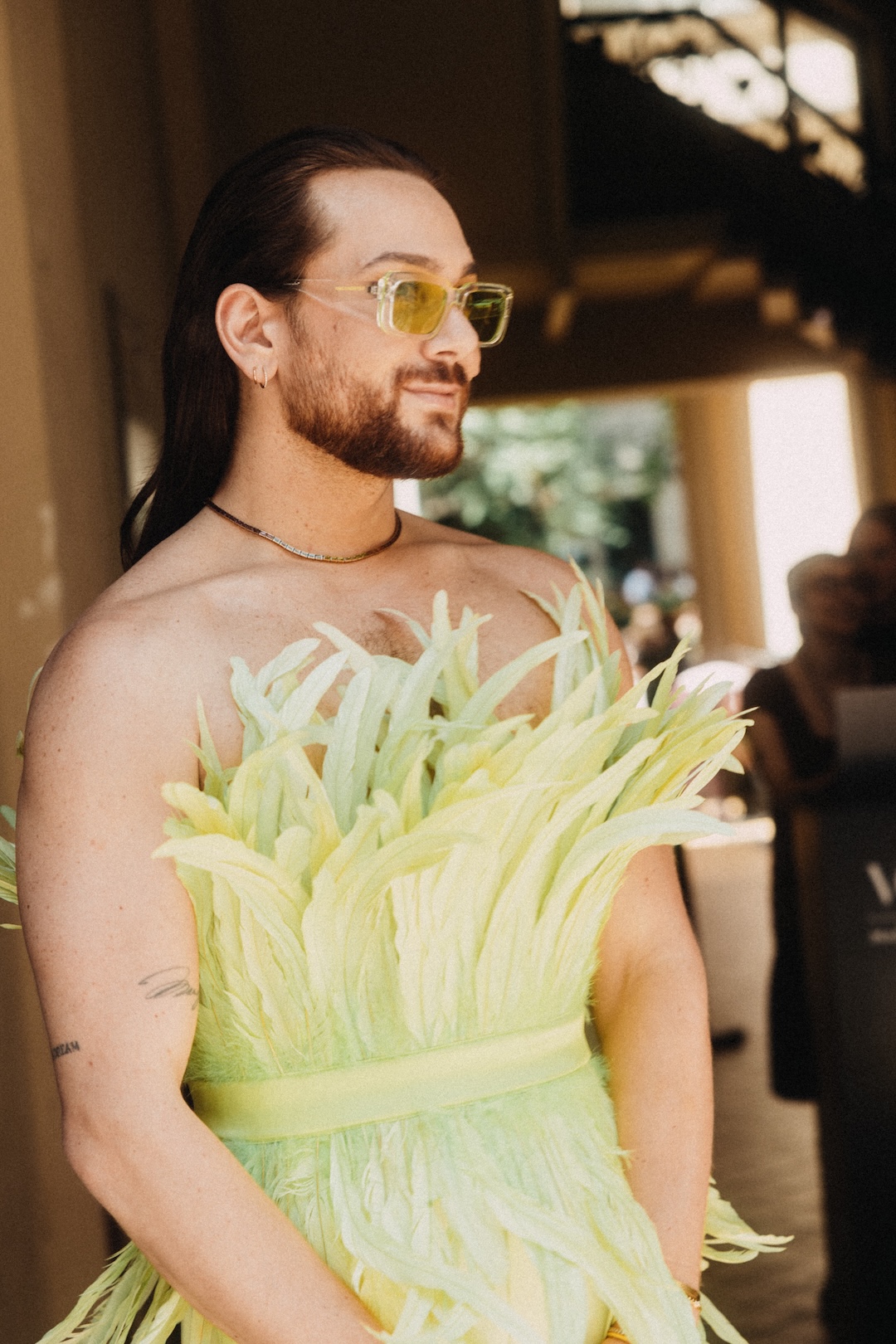
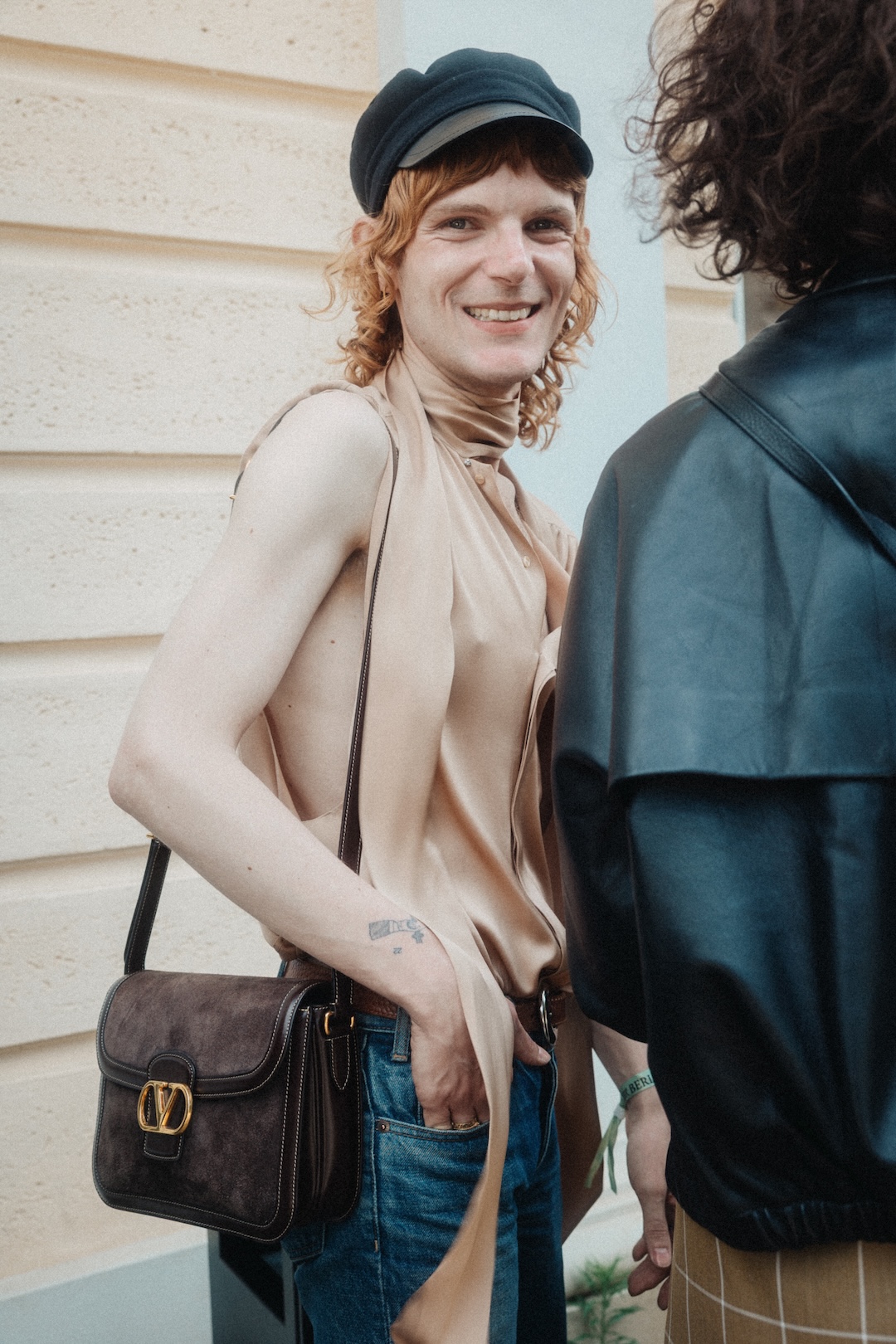
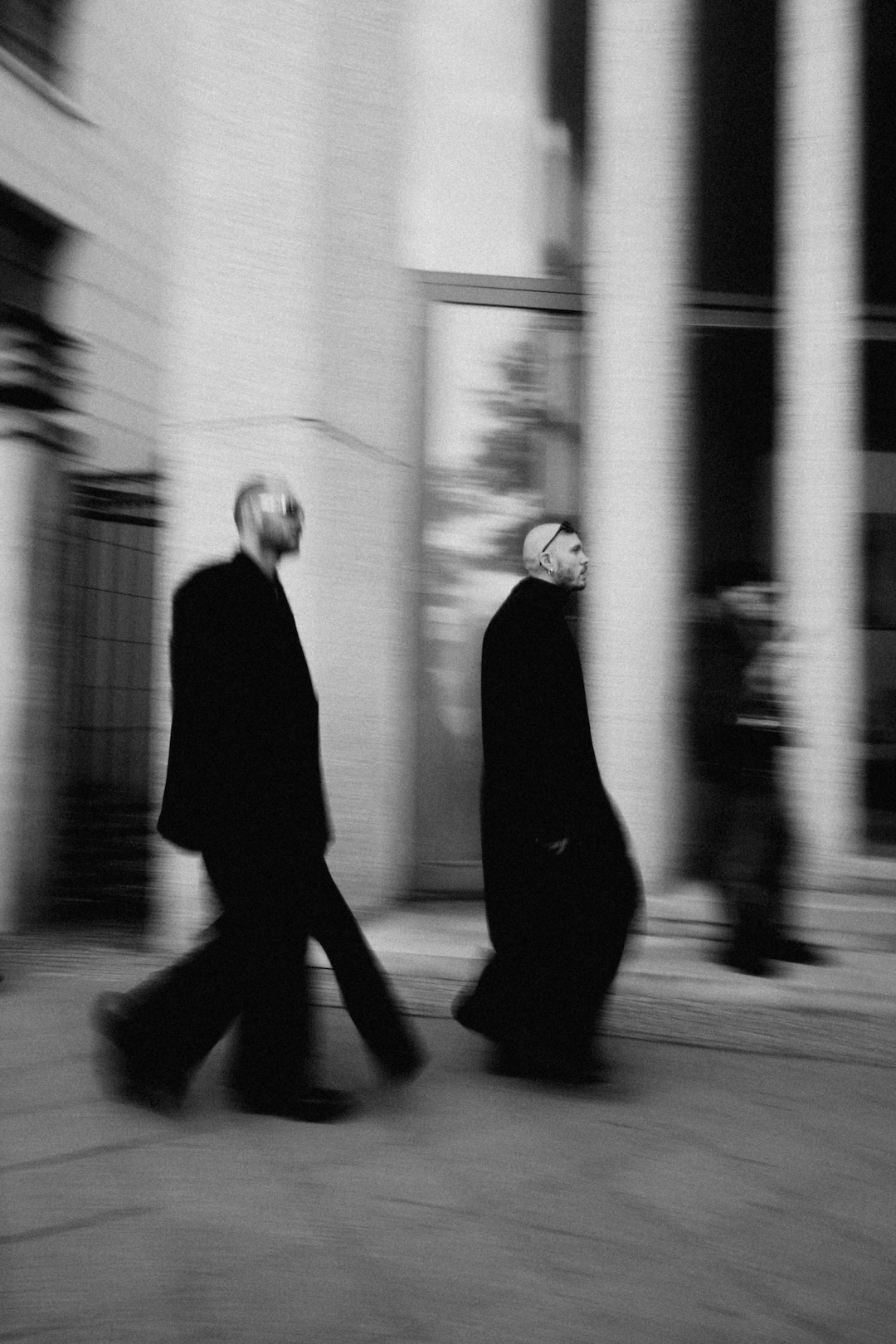
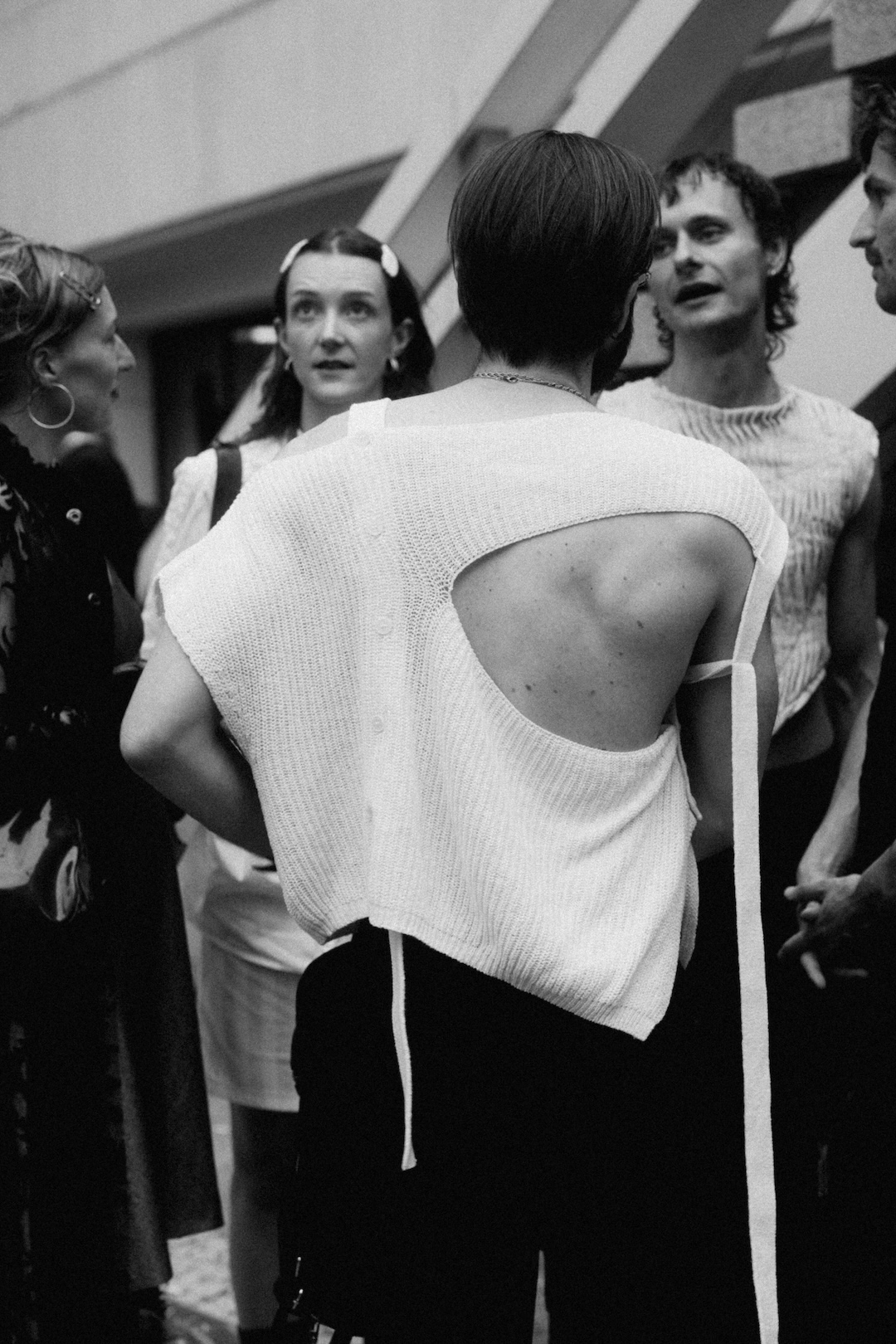
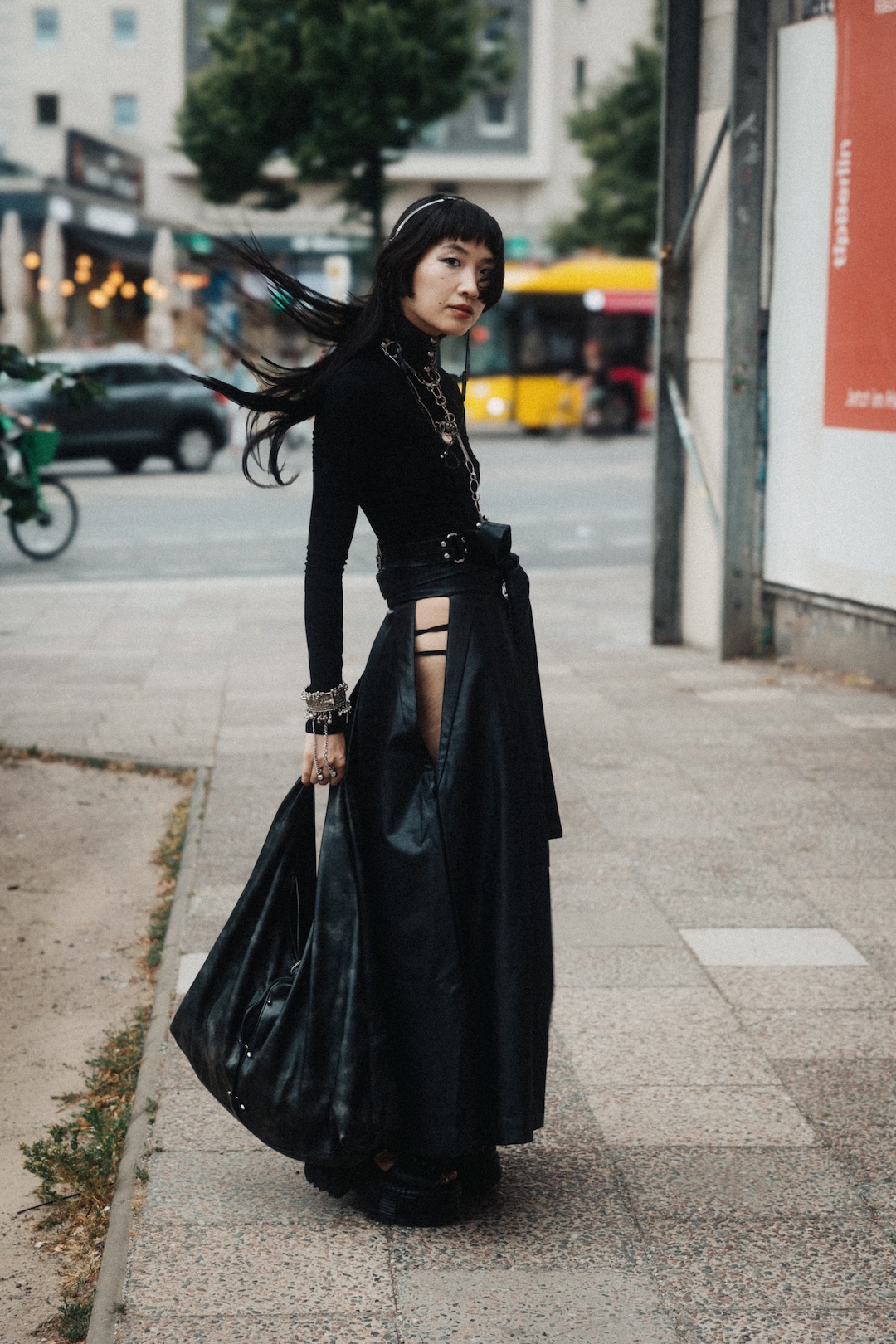
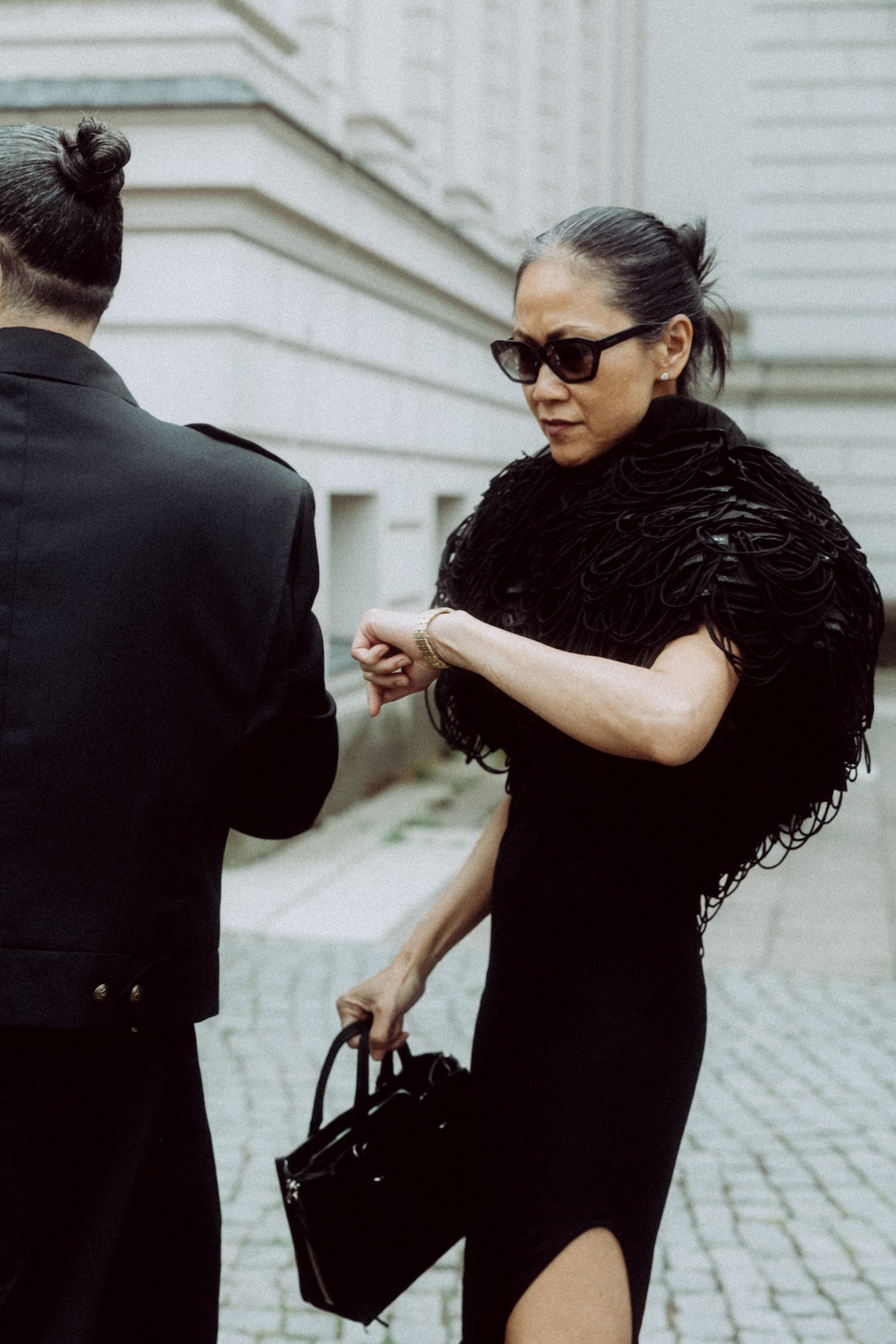
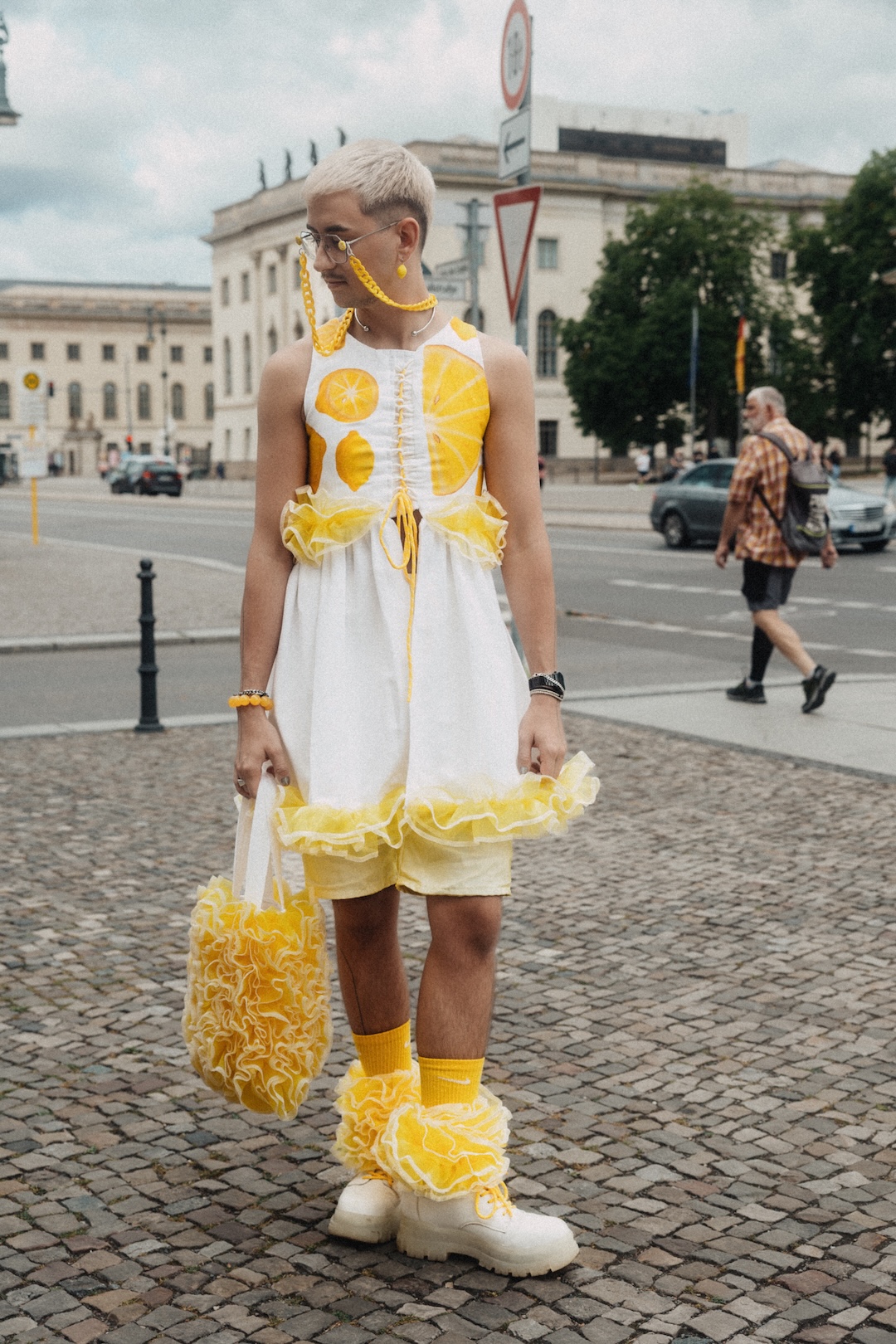
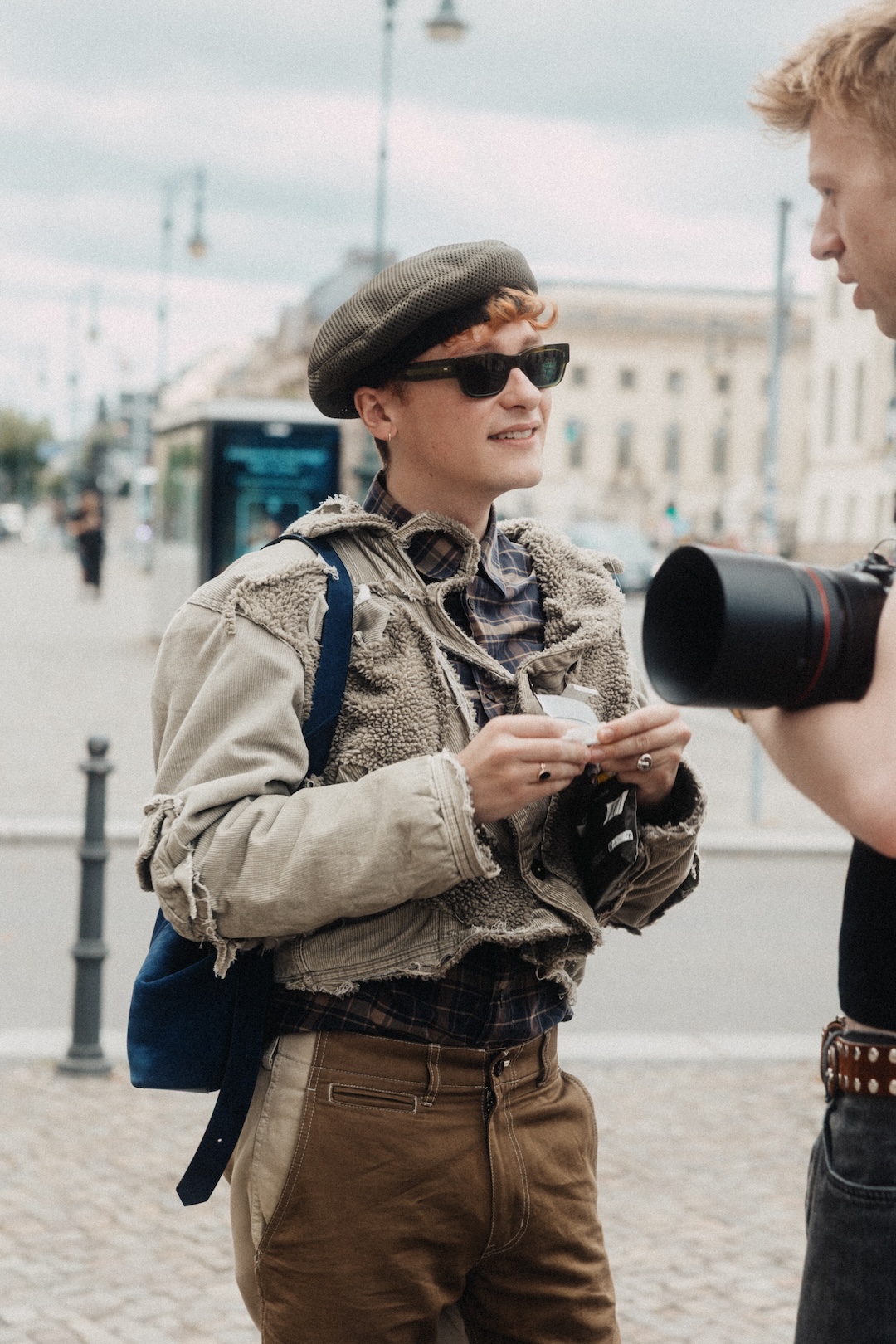
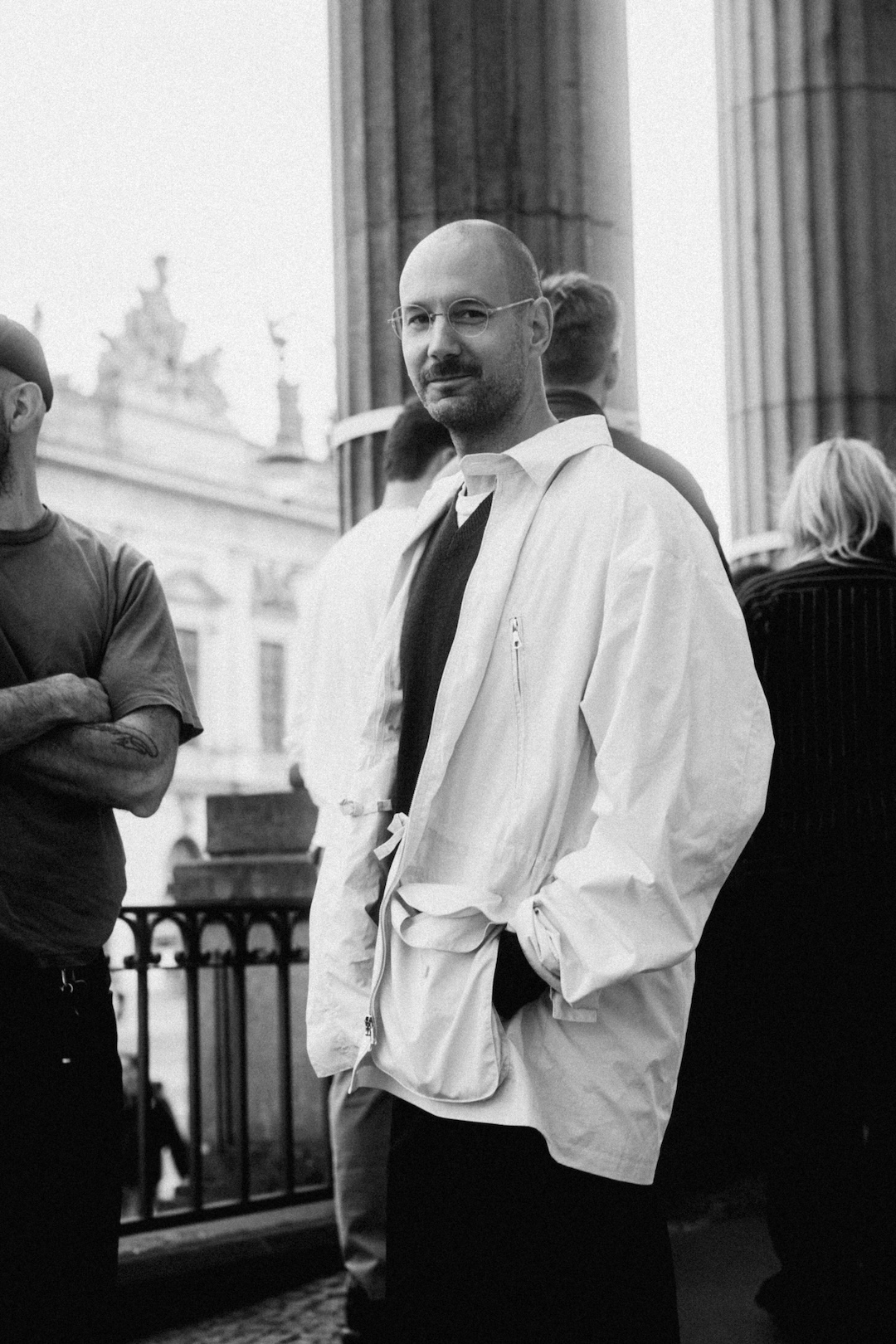
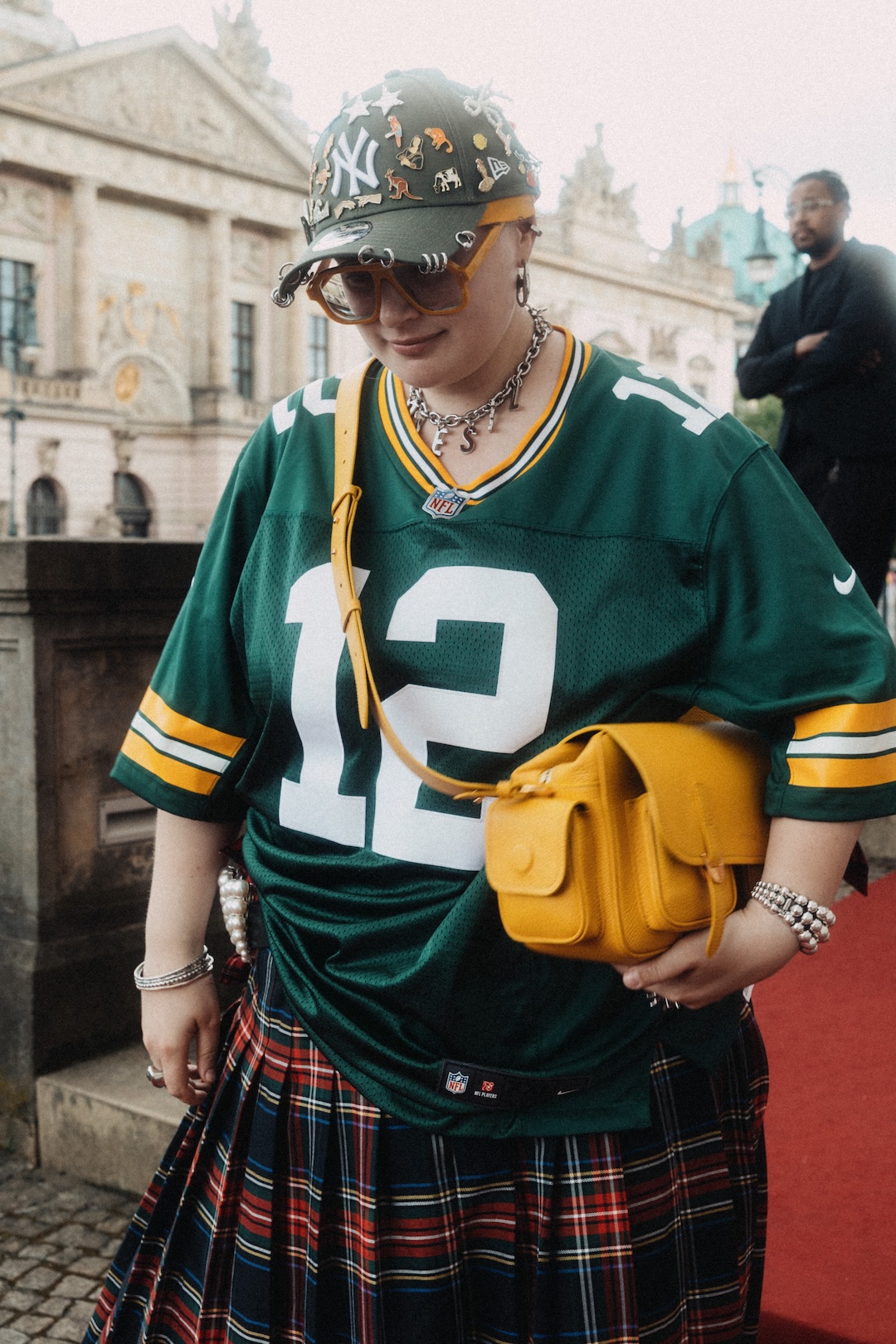
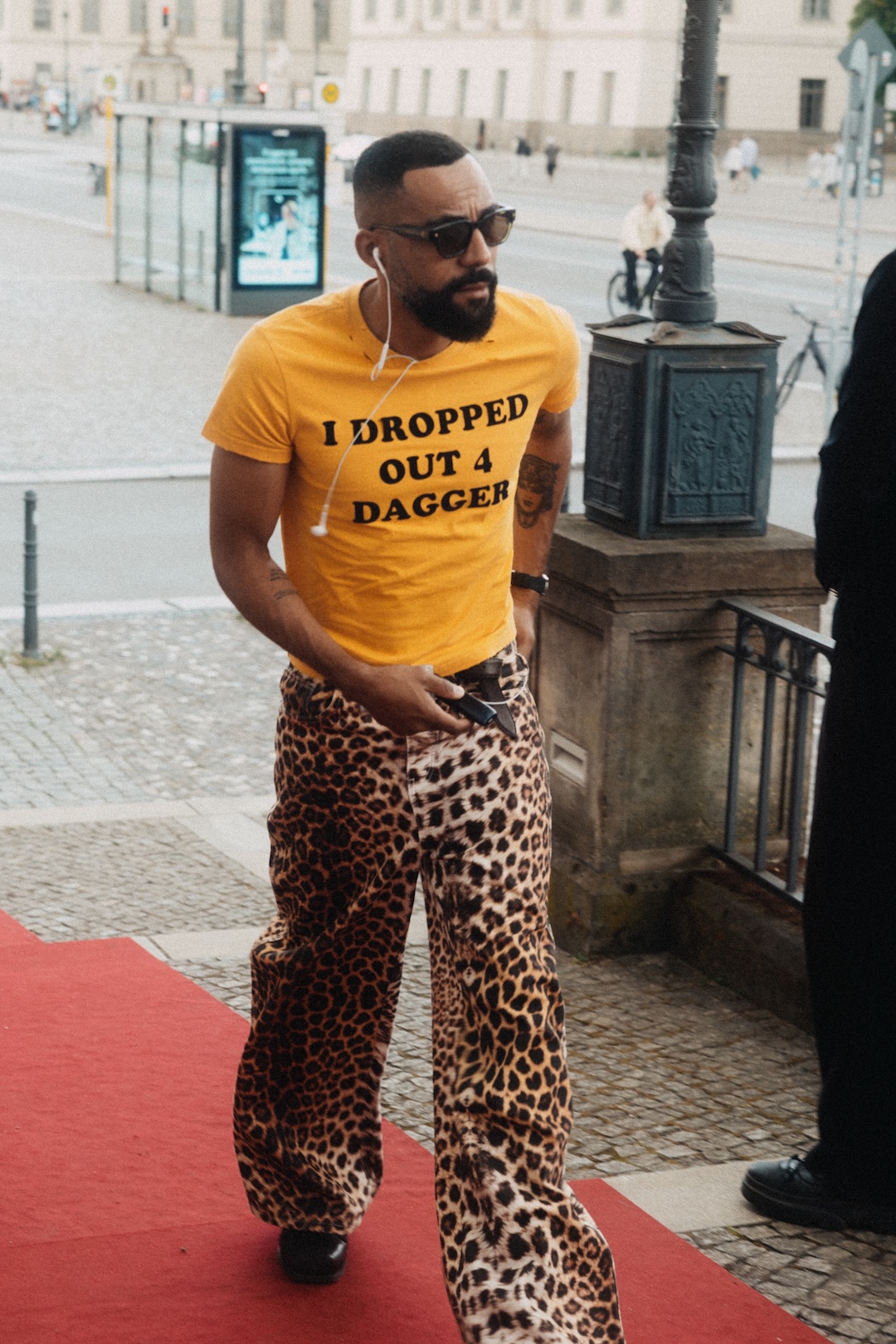
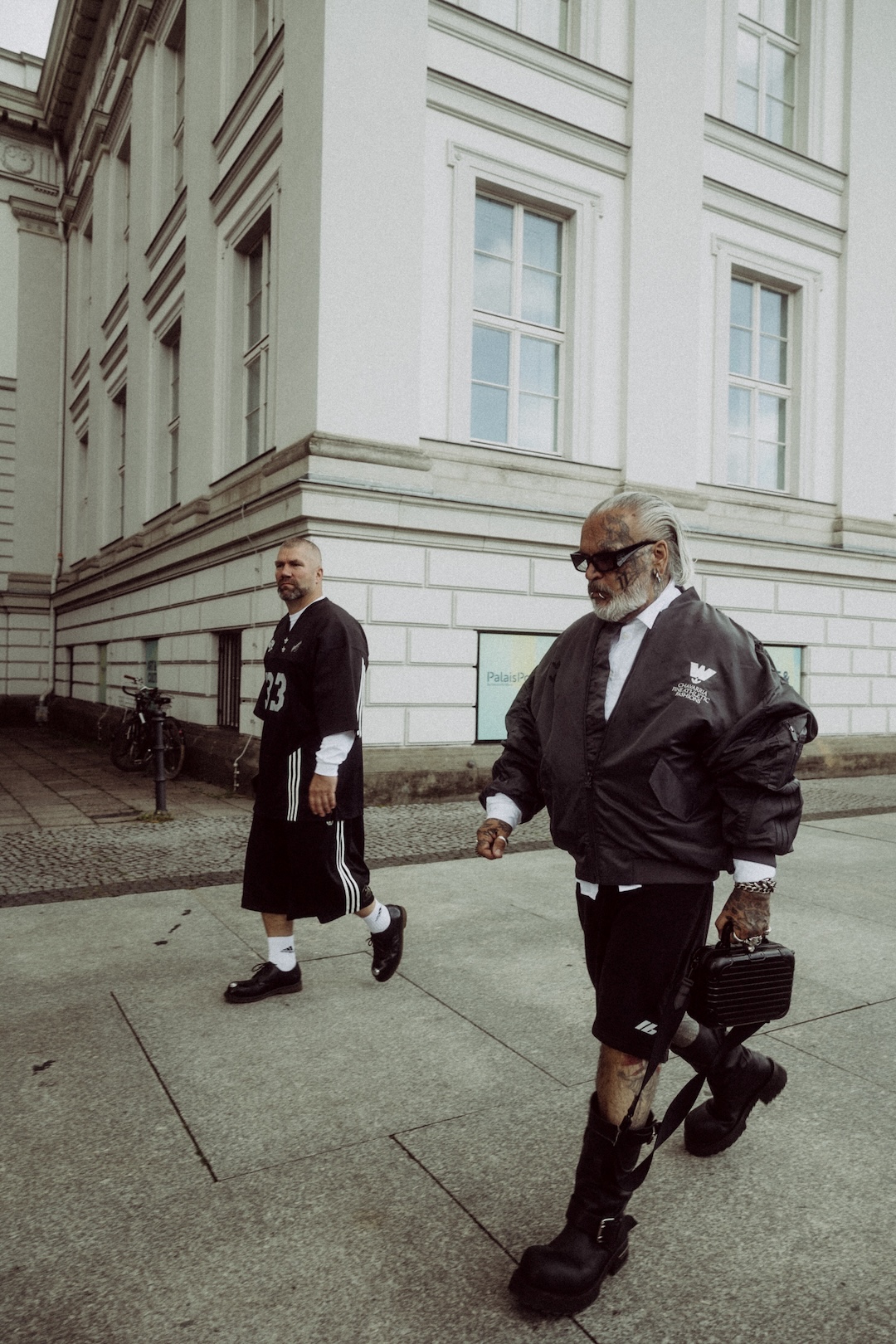
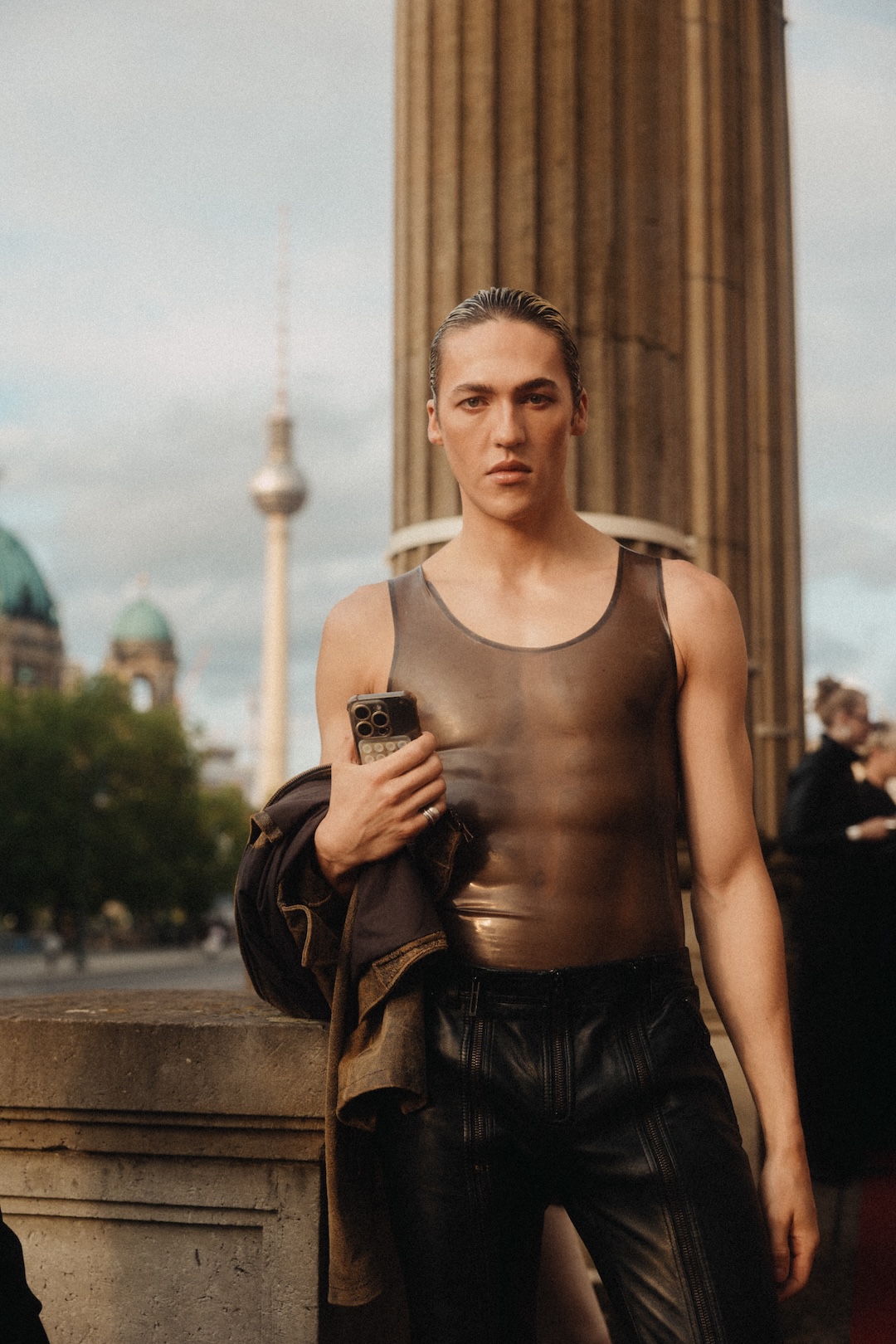
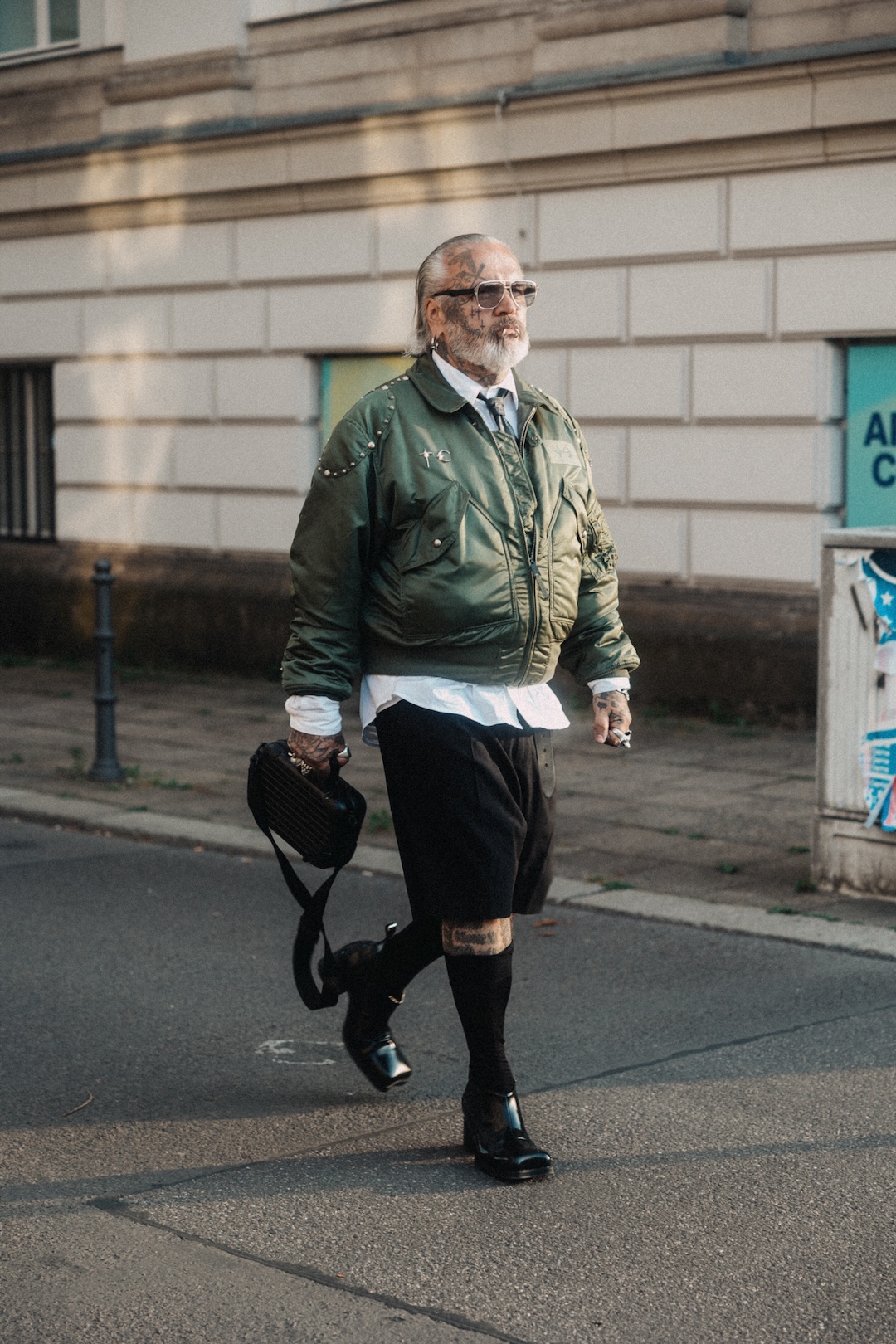
When I was photographing guests during Fashion Week, I was mostly very instinctive. Later, when I looked through the photographs, I often realised that what had really caught my attention was the harmony between the person and what they were wearing. I remember a series of photographs I took of a guy walking from Bebelplatz towards the Staatsoper. His gestures, the way he moved, and his outfit seemed to belong to the same visual language. It almost felt like a scene from a film.
Is there a particular kind of interaction you look for when approaching someone on the street? How do you make a photograph feel natural when there is, inevitably, a camera between you and the person?
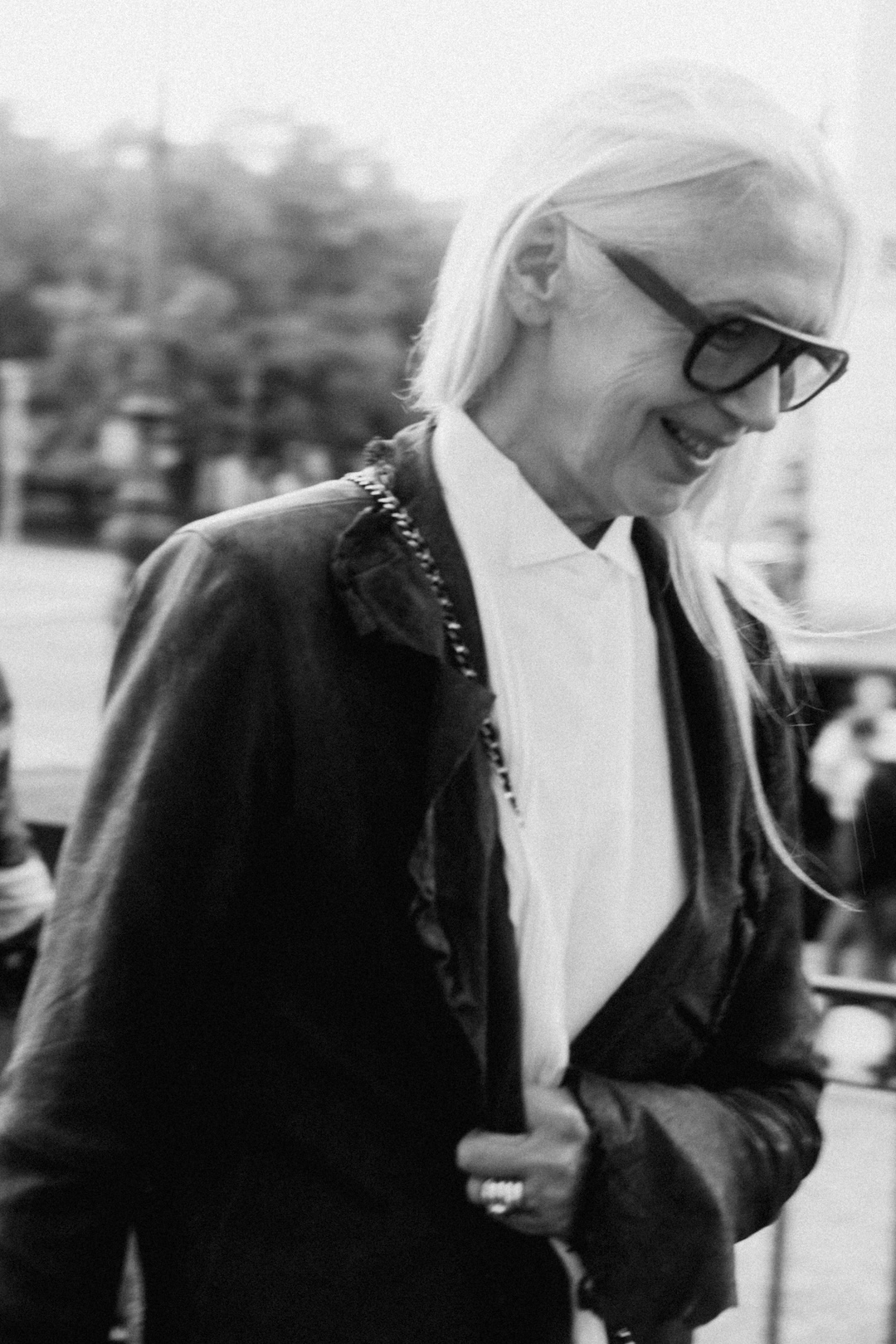
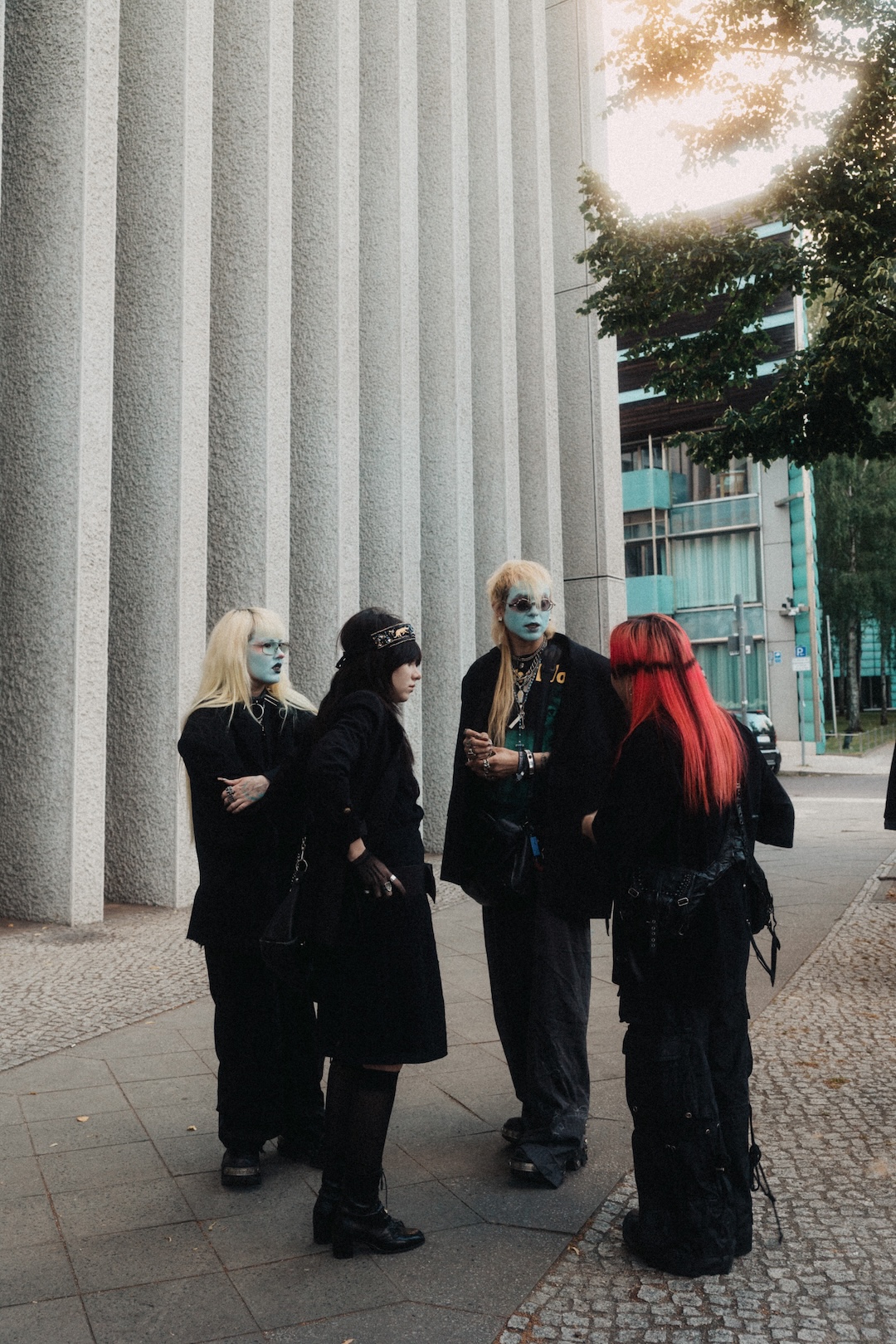
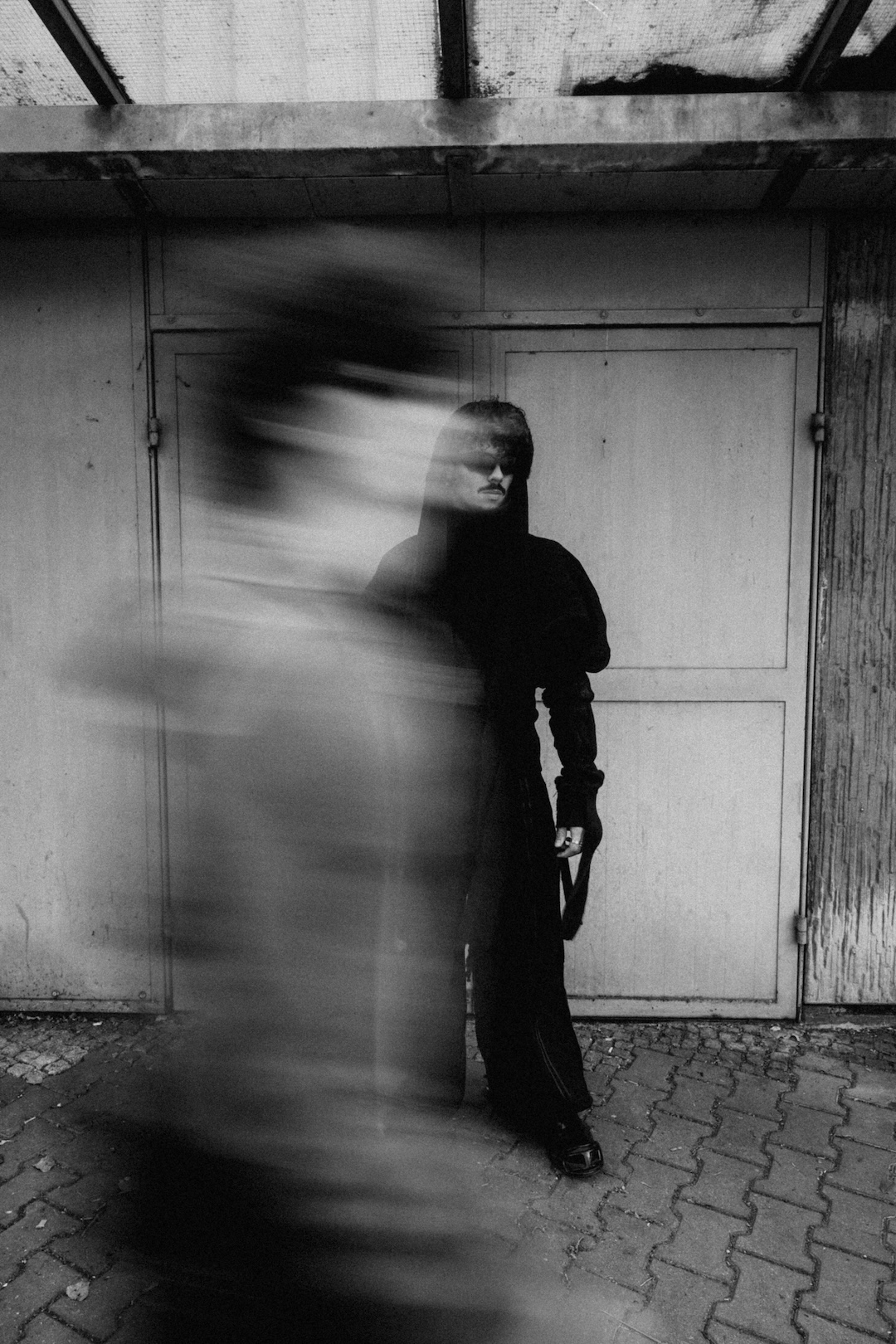
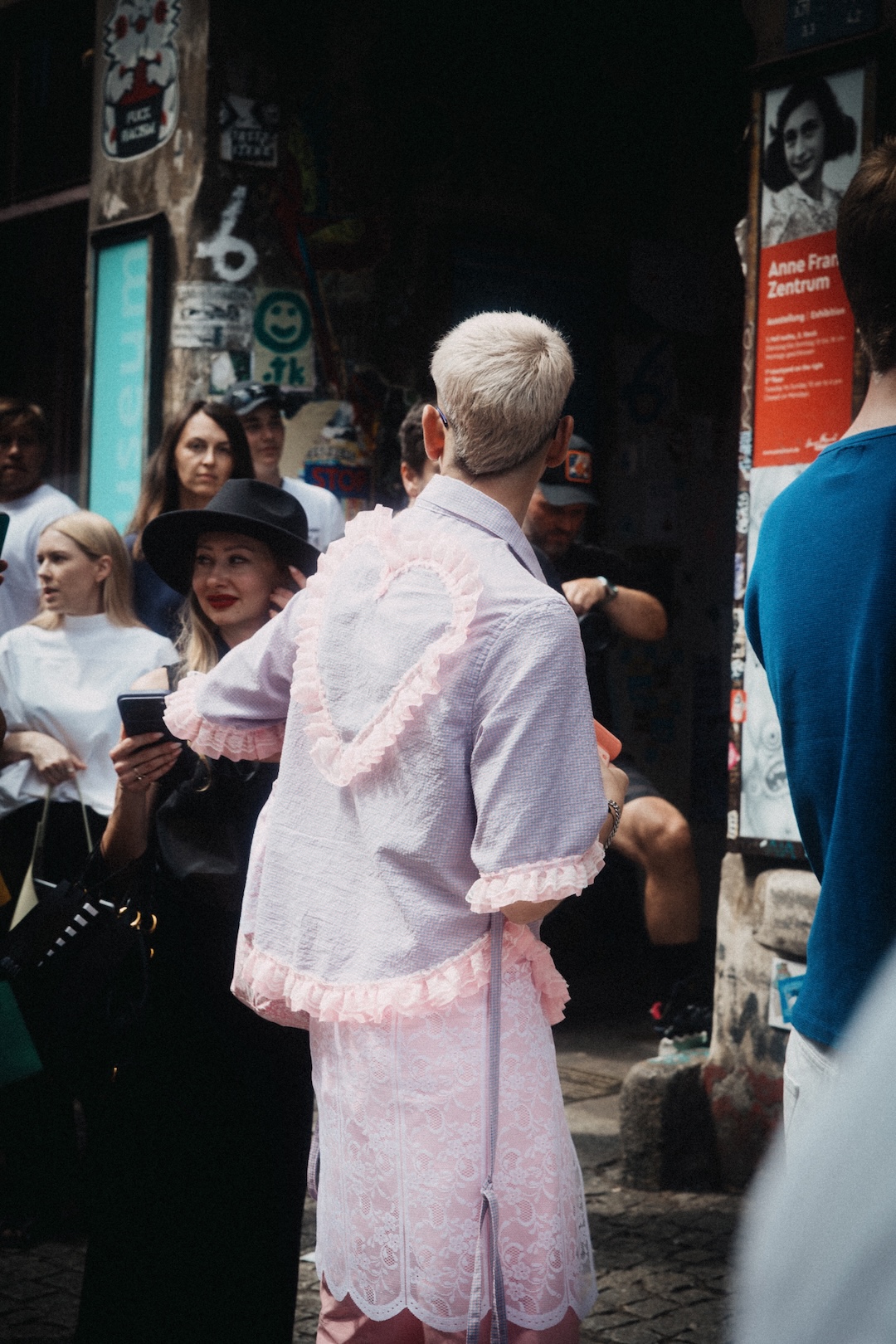
During Fashion Week, I rarely stopped people to ask for a photograph. I would simply photograph them. Of course, Fashion Week is an exceptional situation where people know they are being photographed and might even want it. In other contexts, I prefer to ask. But there is a downside to asking: you interrupt the moment. People start posing, and you end up with a photograph that ten other photographers are probably taking at the same time. Something is lost in that process, and I think you can see it in the photograph.
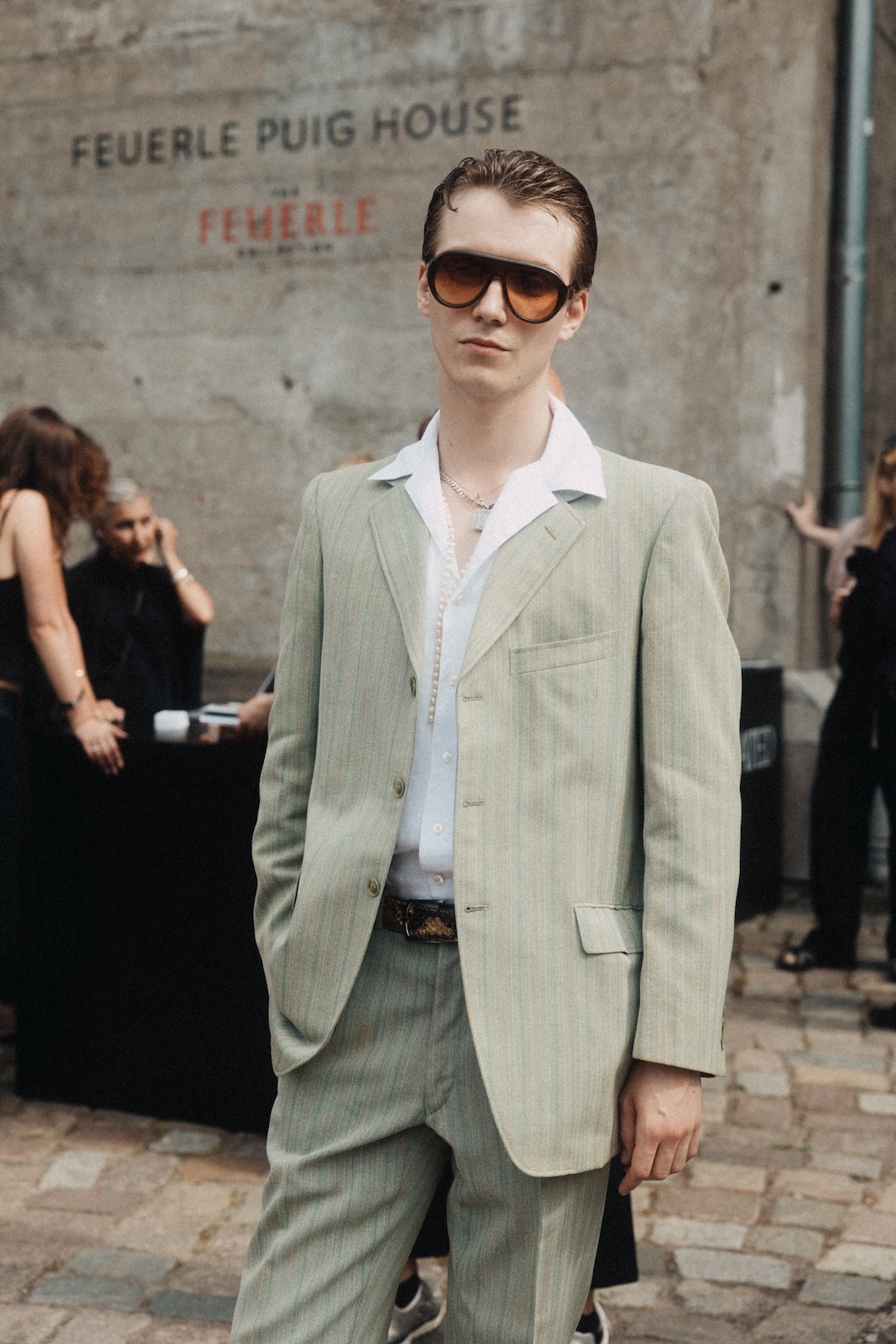
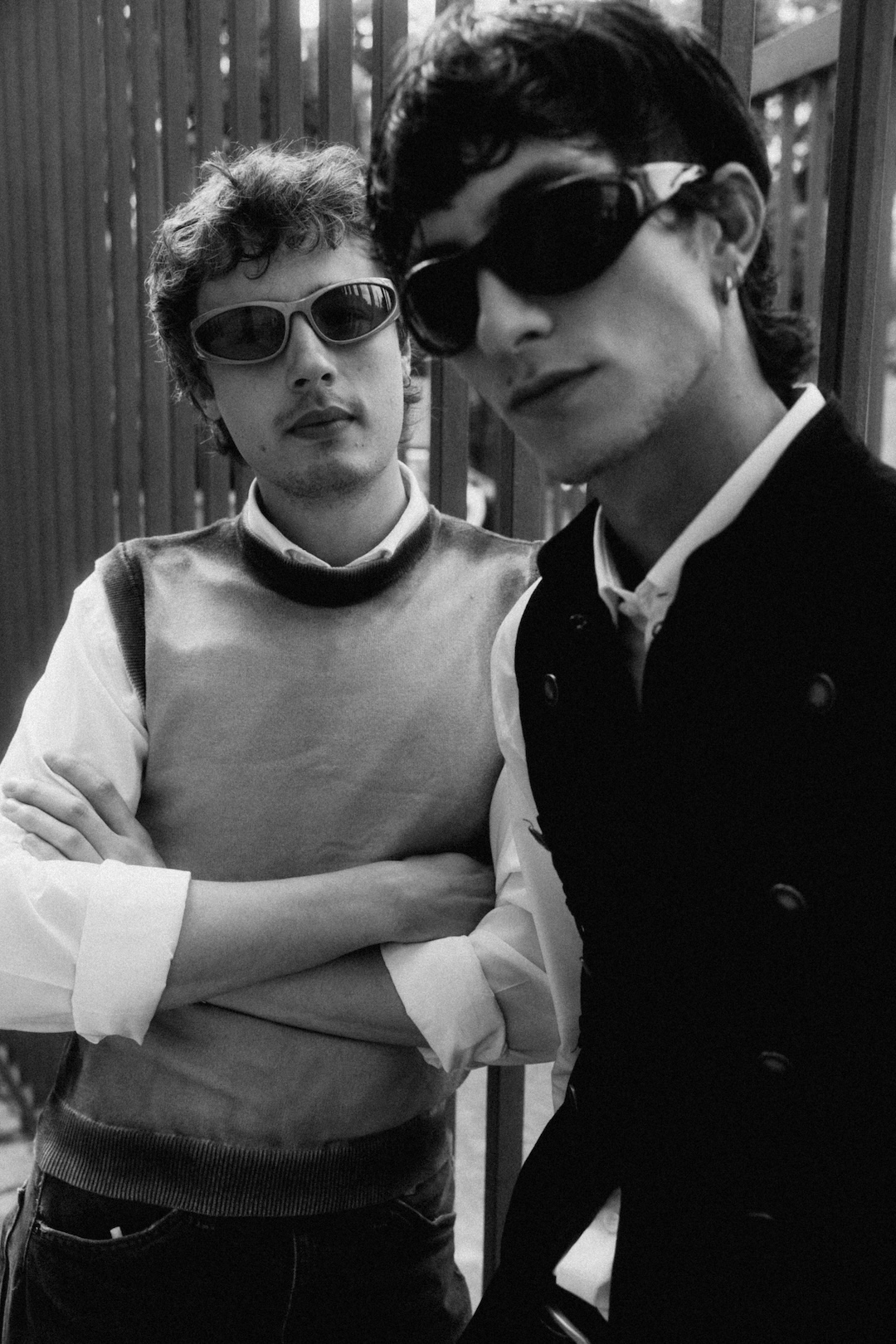
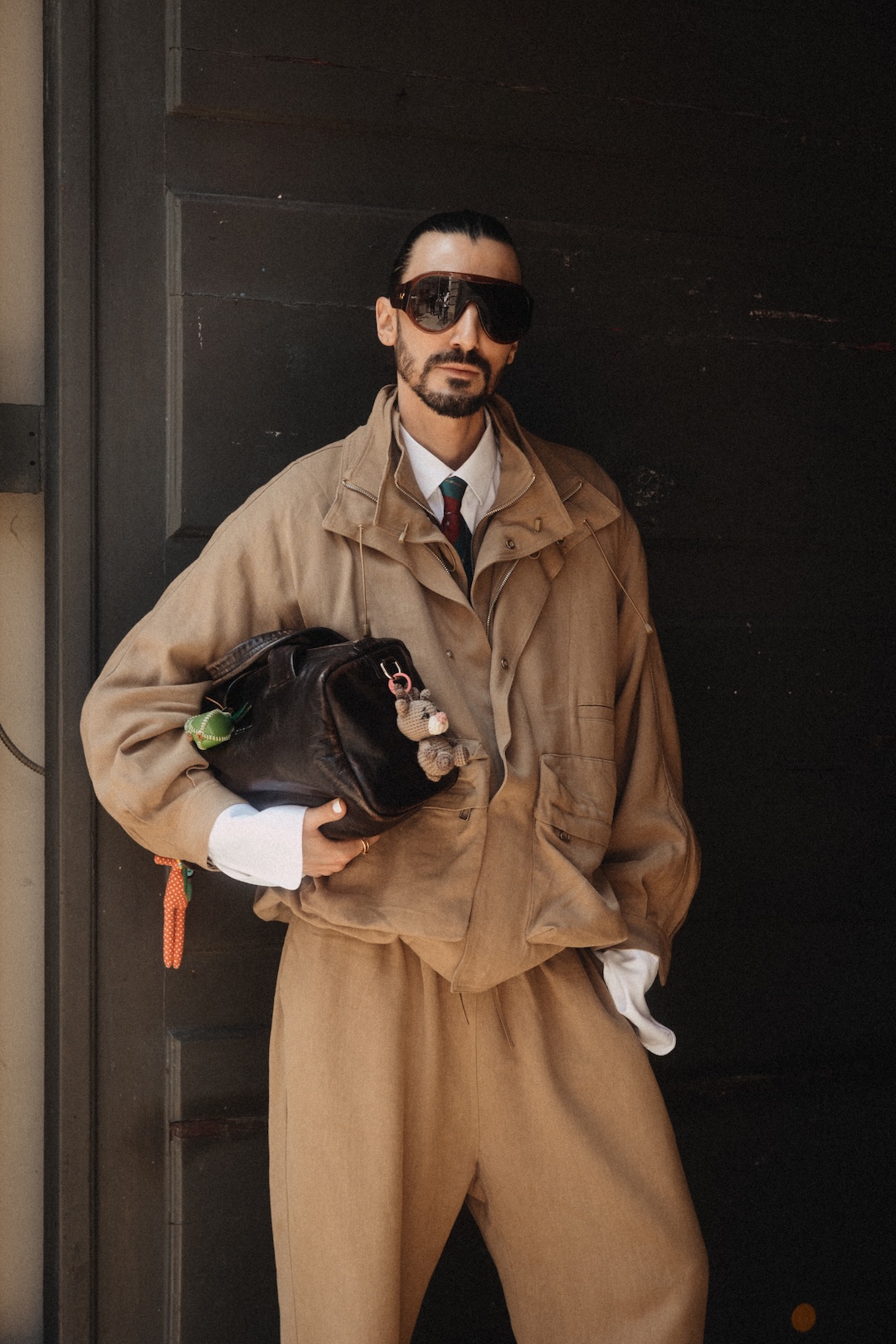
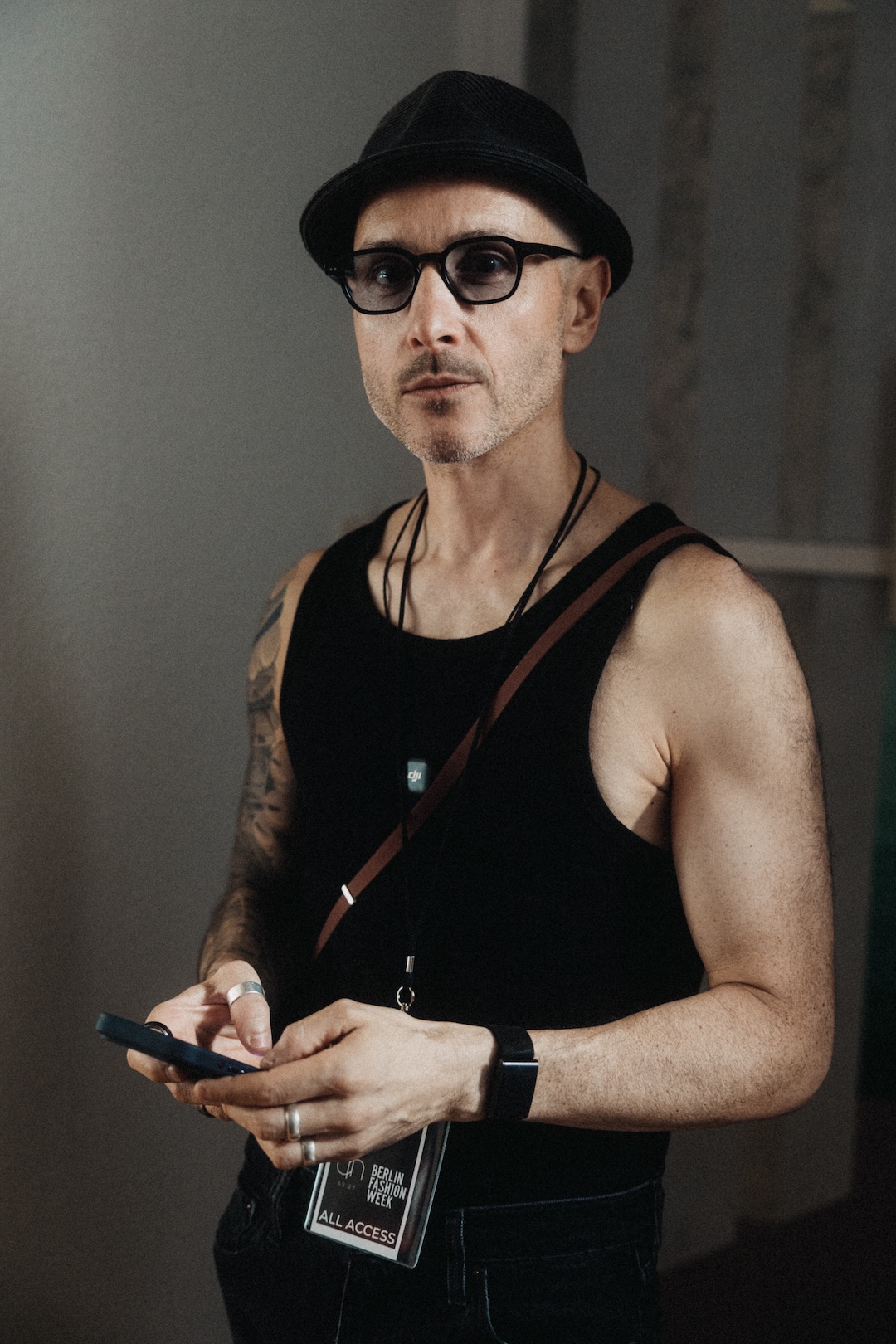
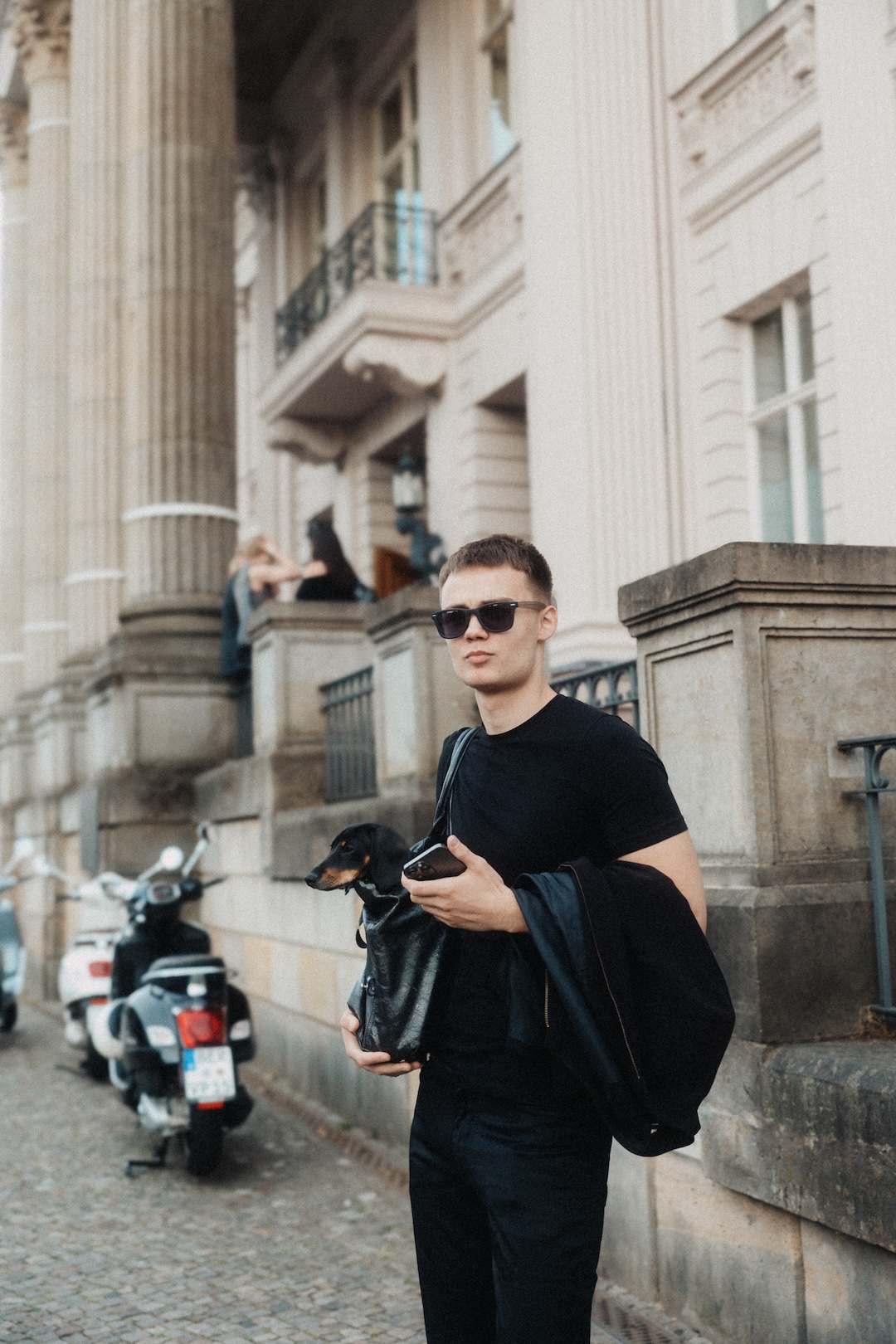
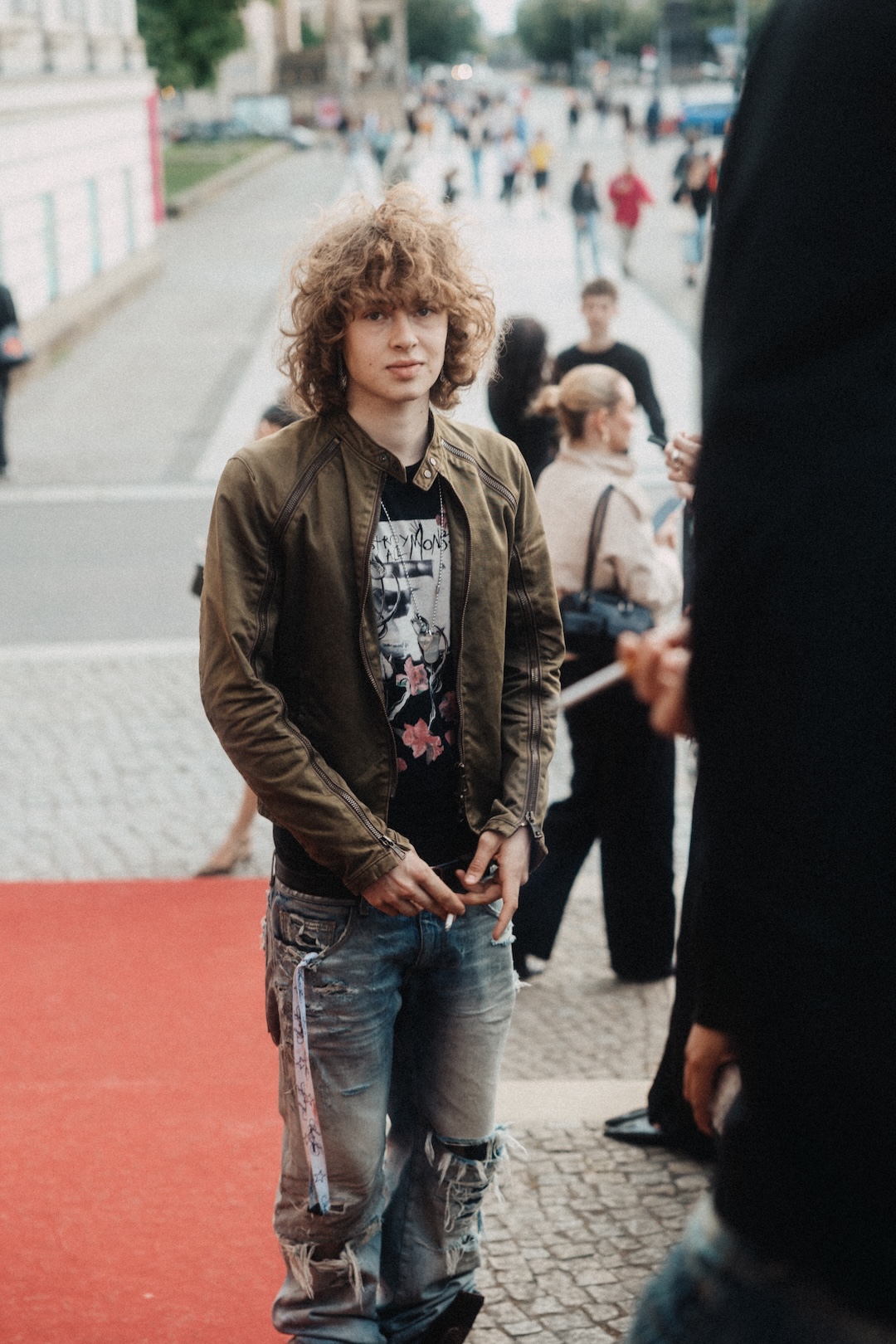
Winning the Berlin Fashion Week Streetstyle Photography Award is a great recognition, especially as your work is rooted in simply observing and being curious. What did that moment mean to you, and did it change the way you see your own photography?
I found out that I had won the competition shortly after the events surrounding Berlin’s CSD, which I had attended, so I was in quite an unusual state of mind at the time. It took me a few days to really process it. This recognition made me realise that I am moving in the right direction, and, perhaps most importantly, it made me want to take my camera and go back out into the streets even more.
At the same time, you’re balancing photography with a part-time job. How does having another professional life influence your relationship with photography? Does it make you approach it differently or perhaps even protect it as something that remains personal?
I work part-time at Apple, where, among other things, I teach people how to take better photographs with their iPhones. So, fortunately, my other professional life is not completely disconnected from photography. At the same time, having another job takes away some of the pressure of having to make photography support me financially. It allows me to experiment and to make photographs that sometimes work and sometimes don’t. I think that freedom is very valuable to me.
You’ve also mentioned that your photographic perspective and style have evolved quite a lot over the past year. Looking back at your earlier work, what do you think has changed most: the way you see, the way you photograph, or the way you understand the people in front of your camera?
I think a photographer becomes better at their job the better they are able to understand the person in front of them. Over the years, I have also gained more experience in life, not just in photography, and that has helped me enormously. I think that has changed the way I look at people, and consequently the way I photograph them.
Do you think streetstyle photography is ultimately a way of documenting fashion, or is it more about documenting a particular moment, city, generation, or culture through the people who inhabit it?
Trends change very quickly, but when you are part of a culture, a period of history or a particular group, it is difficult to see yourself from the outside. Streetstyle photography gives us the possibility to look back, ten, twenty or even a hundred years from now, and see something as complex as fashion through the people who actually lived it. For me, that is what makes it much more than simply photographing clothes.
And looking ahead, what are you curious about now? Are there places, people, or stories you’d like to photograph that could take your work somewhere completely different?
I would love to travel further and document streetstyle in places that are very different from Berlin, such as Japan, Mexico or India. I am curious to see how culture, identity and the place itself are reflected in the way people dress and express themselves. I think that would take my photography somewhere very exciting.
In Conversation w/ Luciano Doria, BFW SS27 Streetstyle Photography Award Winner
AUGUST 20, 2026
WORDS ADRIÁN GOMIS EXPÓSITO
We speak with Luciano Doria, the Italian photographer whose instinctive approach to streetstyle earned him the Berlin Fashion Week Streetstyle Photography Award, developed with huge success by Fashion Council Germany and Berlin Fashion Week. As the winner, Luciano will join the official Berlin Fashion Week photography team next season.
From his beginnings between Vicenza and Milan to discovering Berlin as a place where fashion, identity and self-expression collide, Doria’s photography is driven by curiosity and a fascination with the people behind the clothes. In this conversation, he reflects on the energy of Berlin Fashion Week, the importance of capturing spontaneous moments rather than posed images, and how his perspective has evolved through both photography and life. He also opens up about balancing his creative practice with a part-time job, the freedom that comes with making photography without financial pressure, and his desire to explore how culture and identity shape streetstyle around the world.
Let’s start at the very beginning of everything. What first drew you to photography, and when did you realise that photographing people and streetstyle was something you wanted to explore more seriously?
I initially started working as a fashion photographer between my hometown in Italy, Vicenza, and Milan. But what gradually struck me most was the energy of people and the way their personalities could be reflected in what they wore. When I travel, one of the things I love photographing most is the people of a place. It was in Berlin, though, that I really understood how much I enjoy streetstyle photography.
You’ve described curiosity as an important part of your journey. What is it that makes you stop and photograph someone? Is it the way they dress, their attitude, something more instinctive?
There are some people I notice from quite far away, and most of the time it’s very instinctive. I really love people who put care and energy into the way they dress. Maybe that’s my Italian heritage. My mother used to tell me all the time, “Not that jacket”, or “Put on the other trousers”. She lost that battle with me, though: I’m still quite scruffy myself. But I really admire people who put something of themselves into what they wear. And beyond the clothes, personality is incredibly important to me.
Your journey eventually led you to Berlin Fashion Week. What was it about Berlin, and the fashion week environment specifically, that caught your attention?
Berlin is a place where many people, especially minorities such as the queer community, but also designers and artists, can express themselves very freely. Being such a multicultural city, it has also become a safe haven for many people coming from places where minorities are not as protected. Unfortunately, recent events have also reminded us that nowhere is completely safe, but I admire the courage and strength of people who continue to be themselves despite fear. For me, Berlin Fashion Week is almost a reflection of that spirit. That energy fascinates me, and I find it very difficult to find the same feeling elsewhere.
Streetstyle photography is often associated with fashion, but your work seems equally interested in the person behind the clothes. When you’re photographing someone, how important is it for you to capture their personality rather than simply their look?
When I was photographing guests during Fashion Week, I was mostly very instinctive. Later, when I looked through the photographs, I often realised that what had really caught my attention was the harmony between the person and what they were wearing. I remember a series of photographs I took of a guy walking from Bebelplatz towards the Staatsoper. His gestures, the way he moved, and his outfit seemed to belong to the same visual language. It almost felt like a scene from a film.
Is there a particular kind of interaction you look for when approaching someone on the street? How do you make a photograph feel natural when there is, inevitably, a camera between you and the person?
During Fashion Week, I rarely stopped people to ask for a photograph. I would simply photograph them. Of course, Fashion Week is an exceptional situation where people know they are being photographed and might even want it. In other contexts, I prefer to ask. But there is a downside to asking: you interrupt the moment. People start posing, and you end up with a photograph that ten other photographers are probably taking at the same time. Something is lost in that process, and I think you can see it in the photograph.
Winning the Berlin Fashion Week Streetstyle Photography Award is a great recognition, especially as your work is rooted in simply observing and being curious. What did that moment mean to you, and did it change the way you see your own photography?
I found out that I had won the competition shortly after the events surrounding Berlin’s CSD, which I had attended, so I was in quite an unusual state of mind at the time. It took me a few days to really process it. This recognition made me realise that I am moving in the right direction, and, perhaps most importantly, it made me want to take my camera and go back out into the streets even more.
At the same time, you’re balancing photography with a part-time job. How does having another professional life influence your relationship with photography? Does it make you approach it differently or perhaps even protect it as something that remains personal?
I work part-time at Apple, where, among other things, I teach people how to take better photographs with their iPhones. So, fortunately, my other professional life is not completely disconnected from photography. At the same time, having another job takes away some of the pressure of having to make photography support me financially. It allows me to experiment and to make photographs that sometimes work and sometimes don’t. I think that freedom is very valuable to me.
You’ve also mentioned that your photographic perspective and style have evolved quite a lot over the past year. Looking back at your earlier work, what do you think has changed most: the way you see, the way you photograph, or the way you understand the people in front of your camera?
I think a photographer becomes better at their job the better they are able to understand the person in front of them. Over the years, I have also gained more experience in life, not just in photography, and that has helped me enormously. I think that has changed the way I look at people, and consequently the way I photograph them.
Do you think streetstyle photography is ultimately a way of documenting fashion, or is it more about documenting a particular moment, city, generation, or culture through the people who inhabit it?
Trends change very quickly, but when you are part of a culture, a period of history or a particular group, it is difficult to see yourself from the outside. Streetstyle photography gives us the possibility to look back, ten, twenty or even a hundred years from now, and see something as complex as fashion through the people who actually lived it. For me, that is what makes it much more than simply photographing clothes.
And looking ahead, what are you curious about now? Are there places, people, or stories you’d like to photograph that could take your work somewhere completely different?
I would love to travel further and document streetstyle in places that are very different from Berlin, such as Japan, Mexico or India. I am curious to see how culture, identity and the place itself are reflected in the way people dress and express themselves. I think that would take my photography somewhere very exciting.