Ex to X Wants to Redefine Visibility for the FLINTA* Creative Community
AUGUST 19, 2026 → WORDS ADRIÁN GOMIS EXPÓSITO


PHOTOGRAPHY LU DEVERALL
No great cultural movement has ever been built alone. Founded by entrepreneur and model Stefanie Giesinger and cultural strategist and creative producer Angelique Houben, Ex to X is rooted in a simple belief: the most impactful creative moments are never created in solitude.
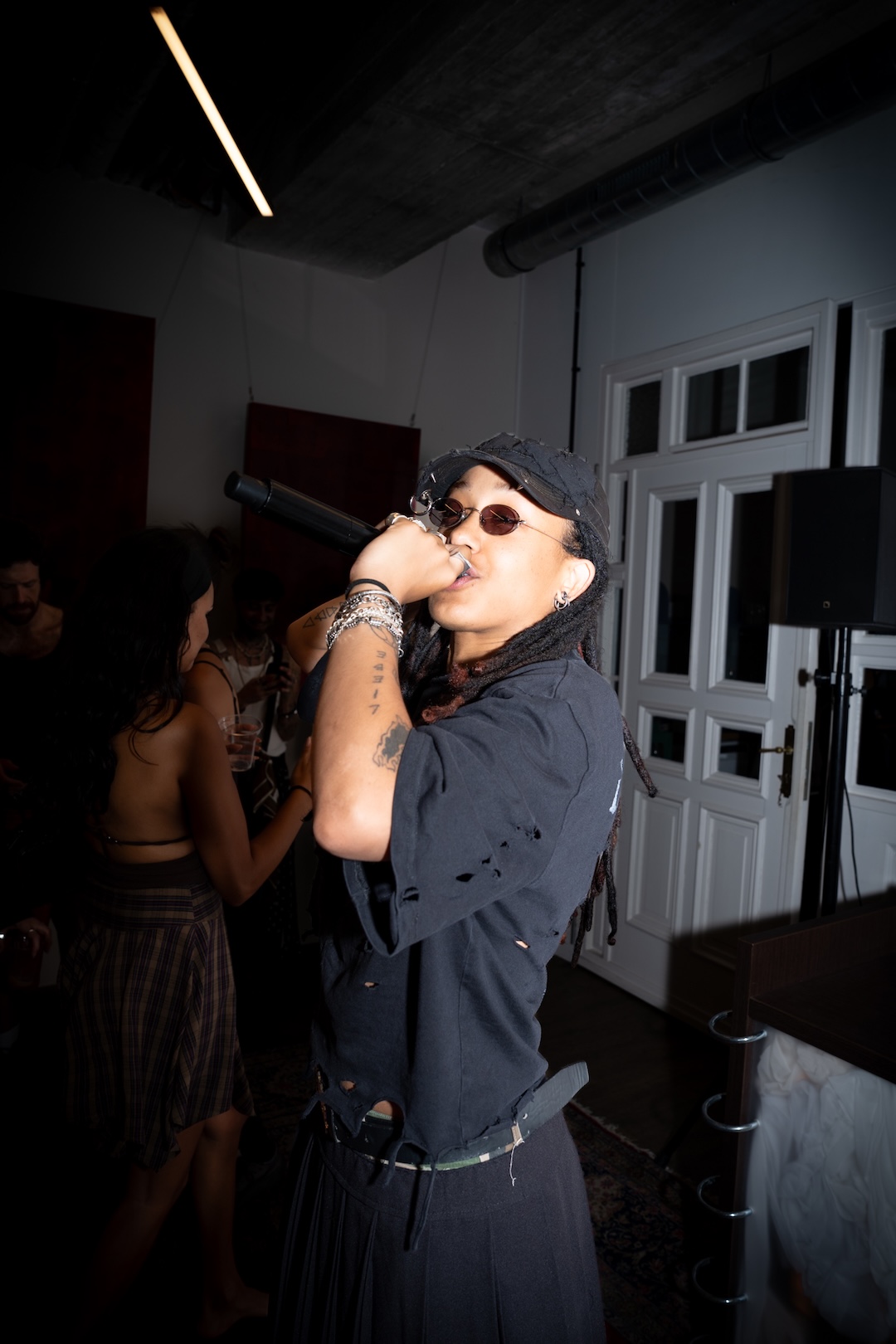
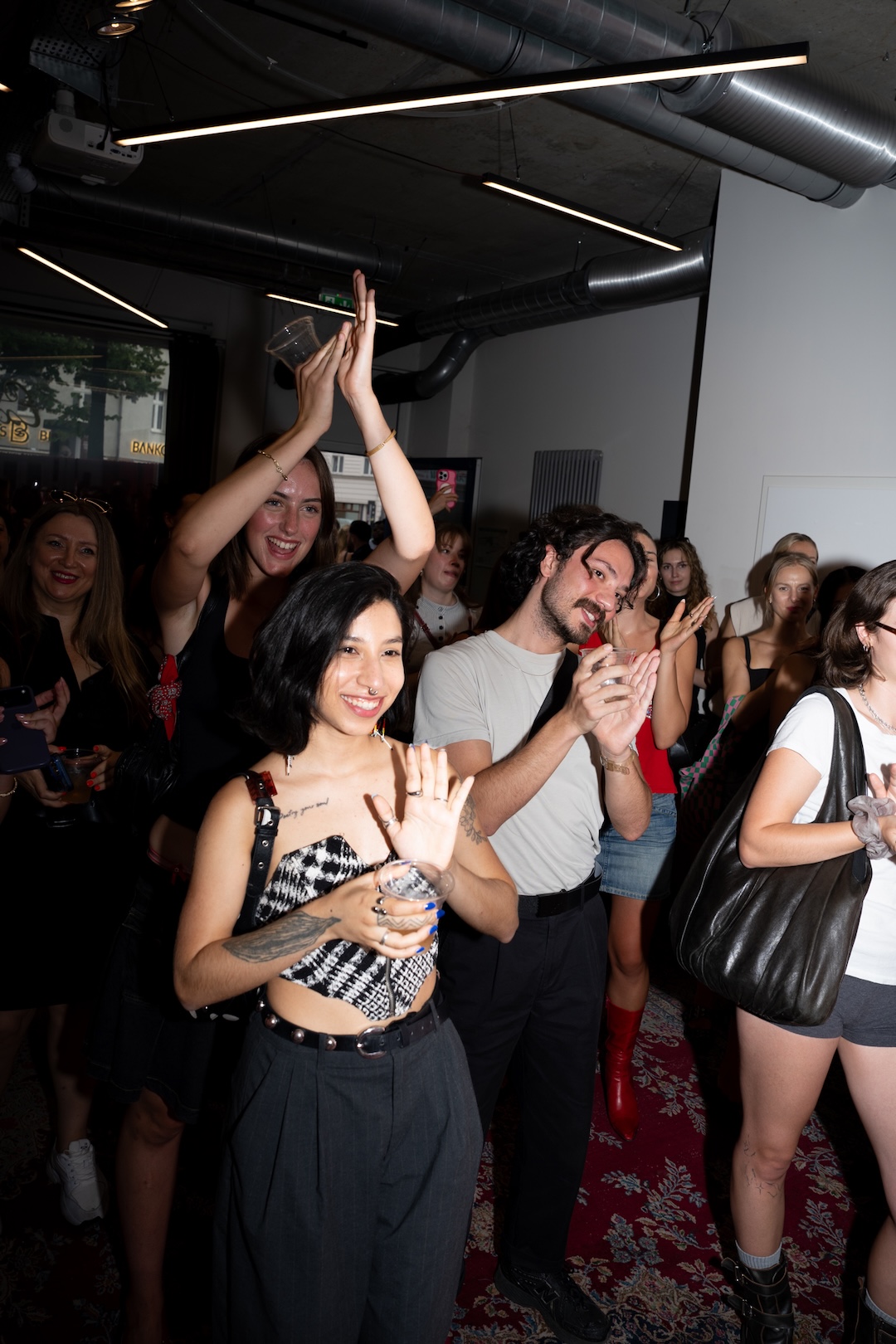
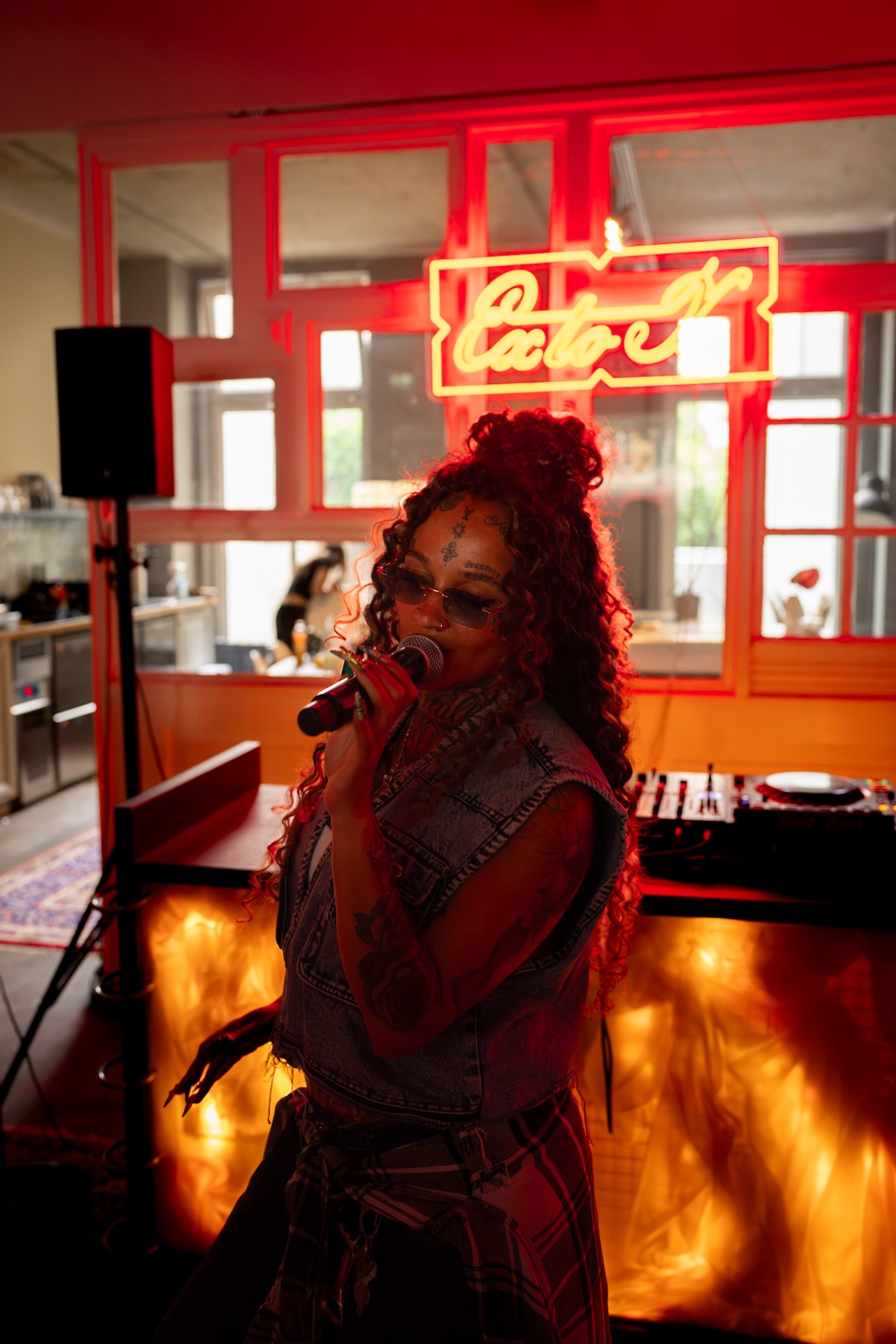
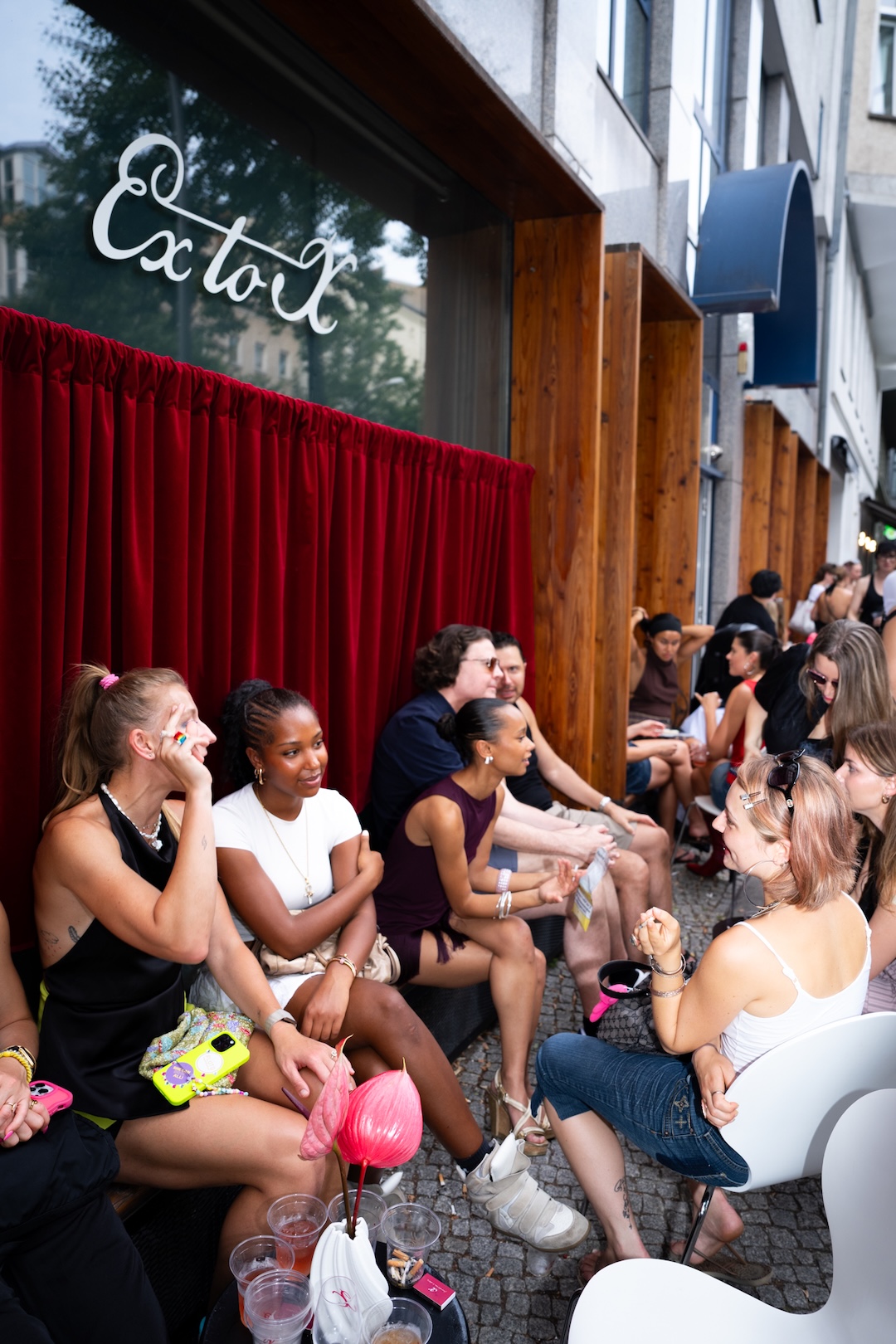
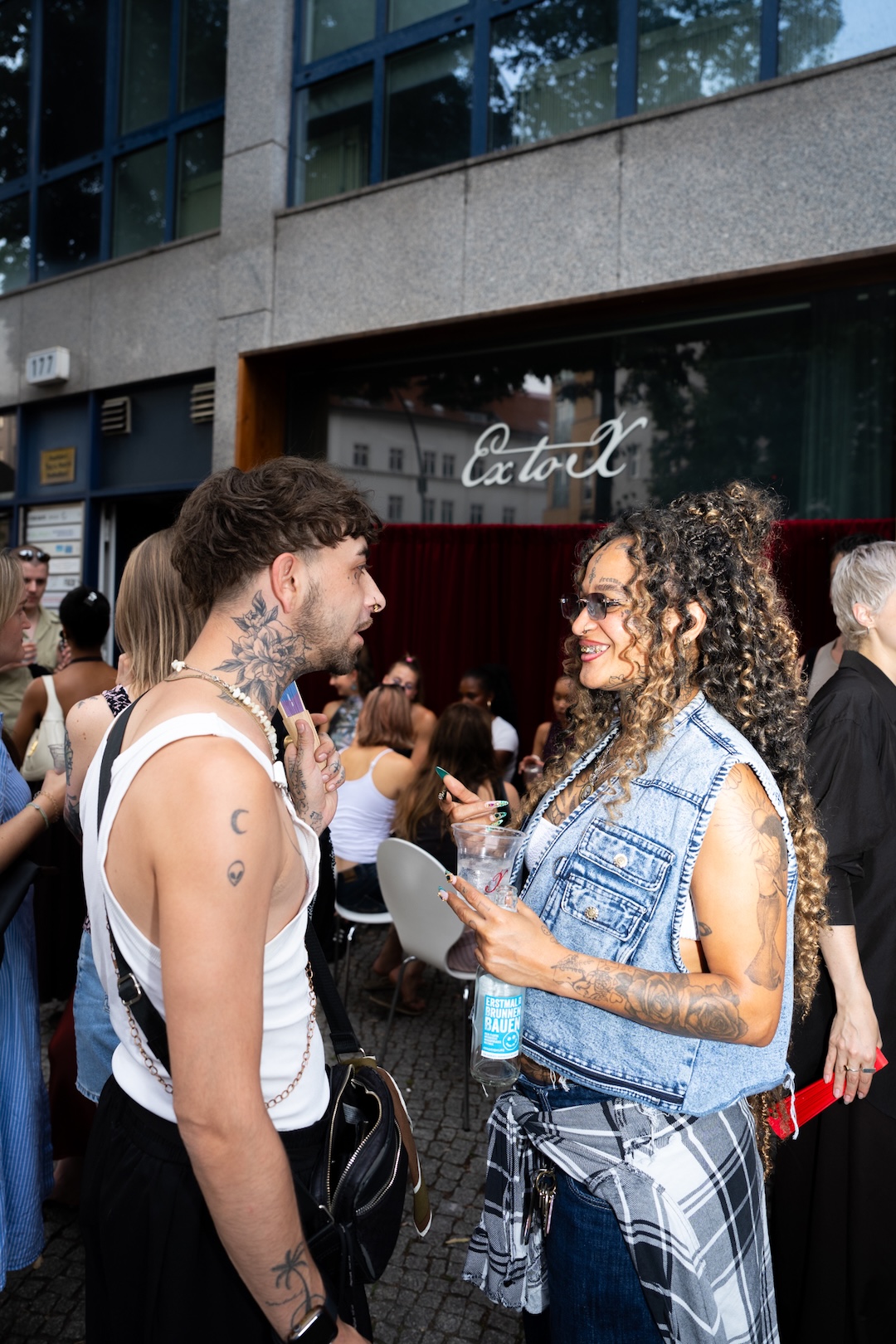
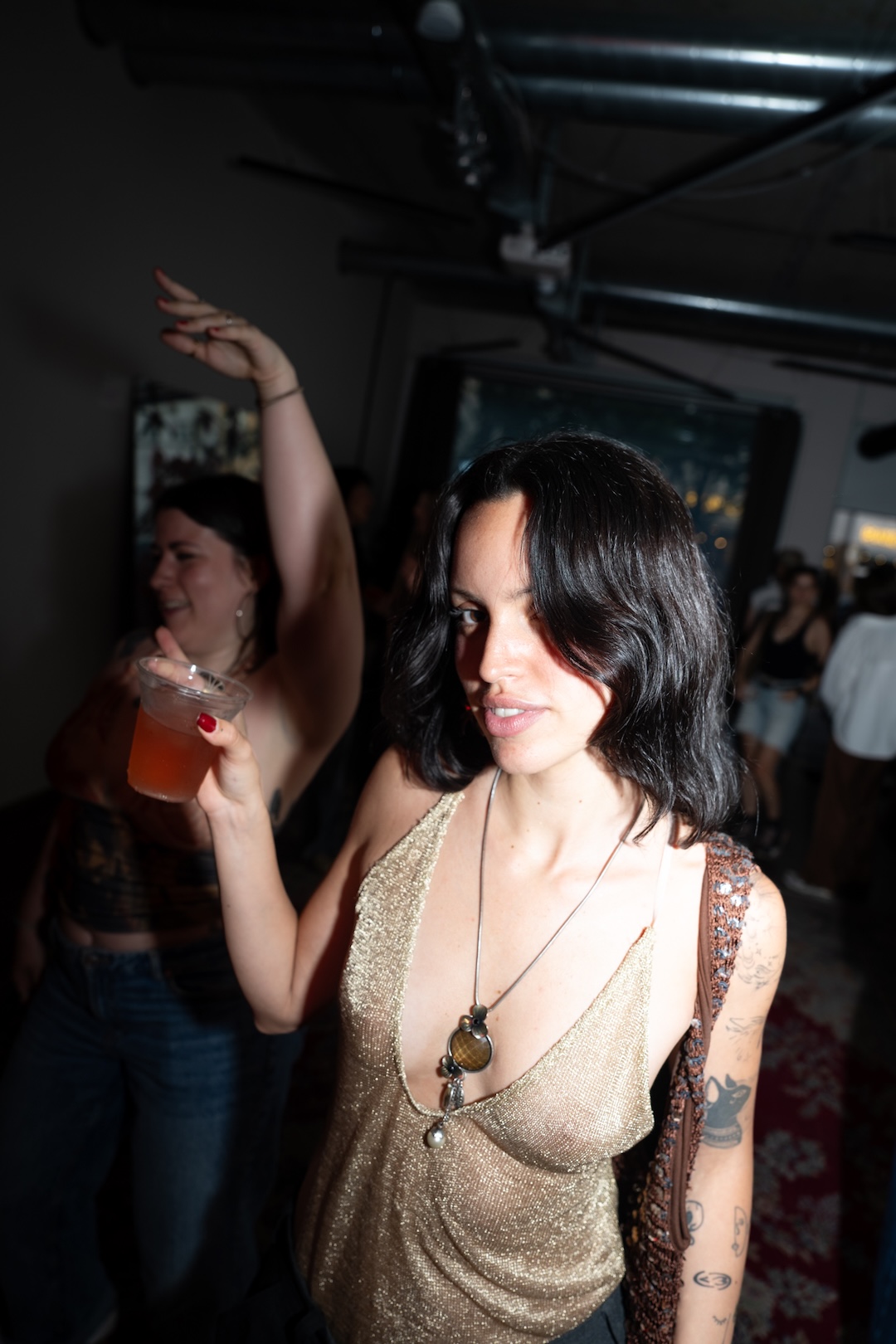
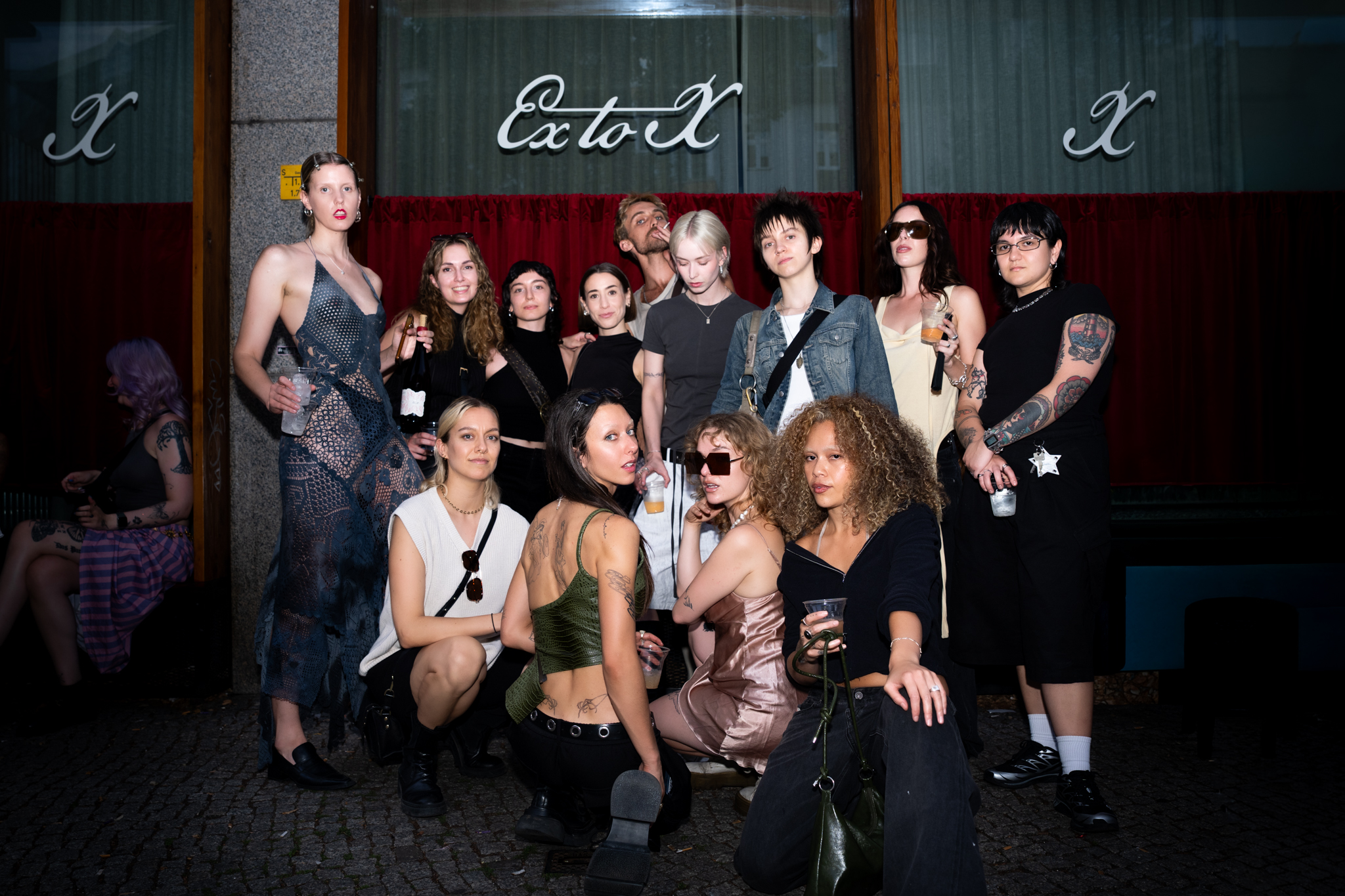
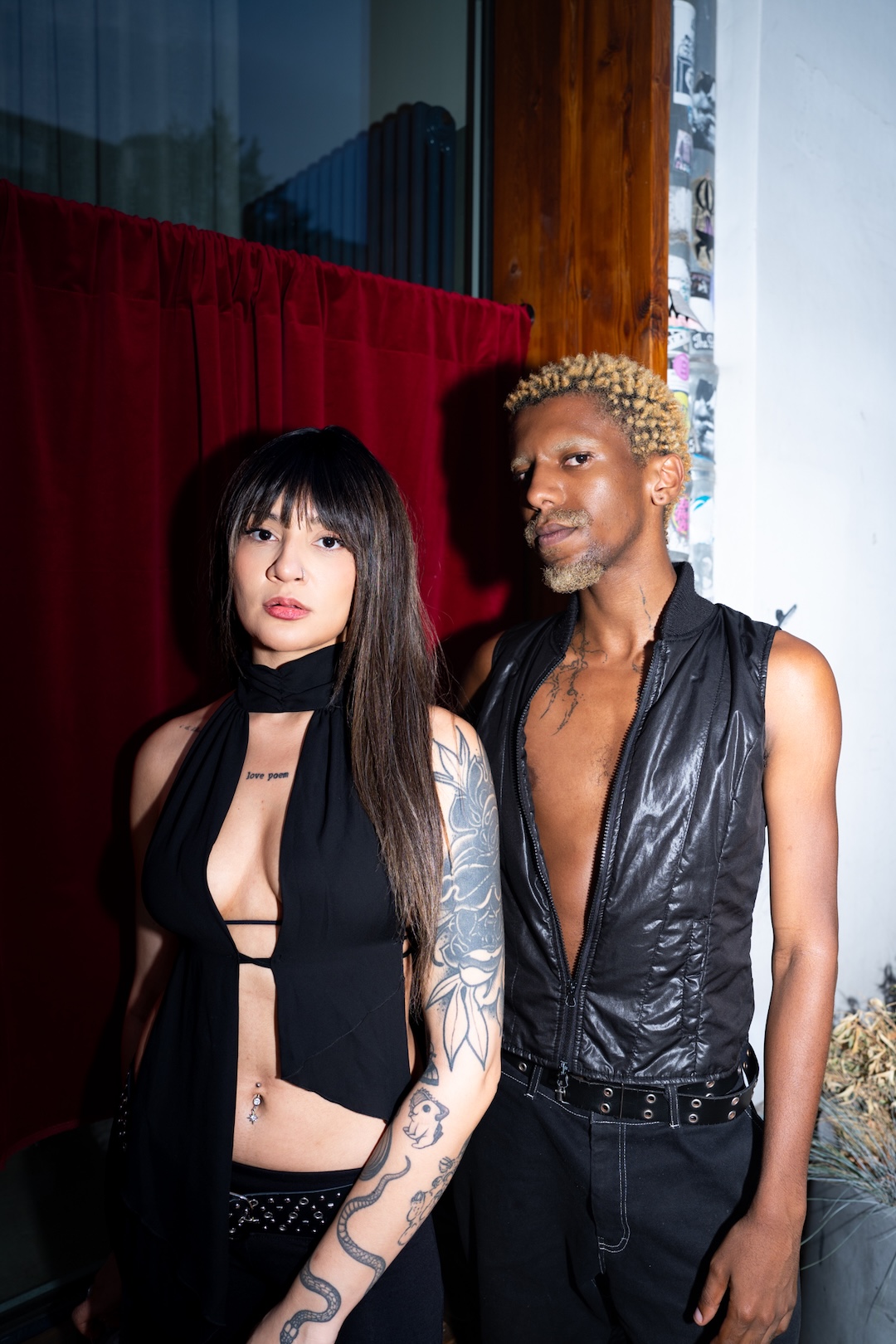
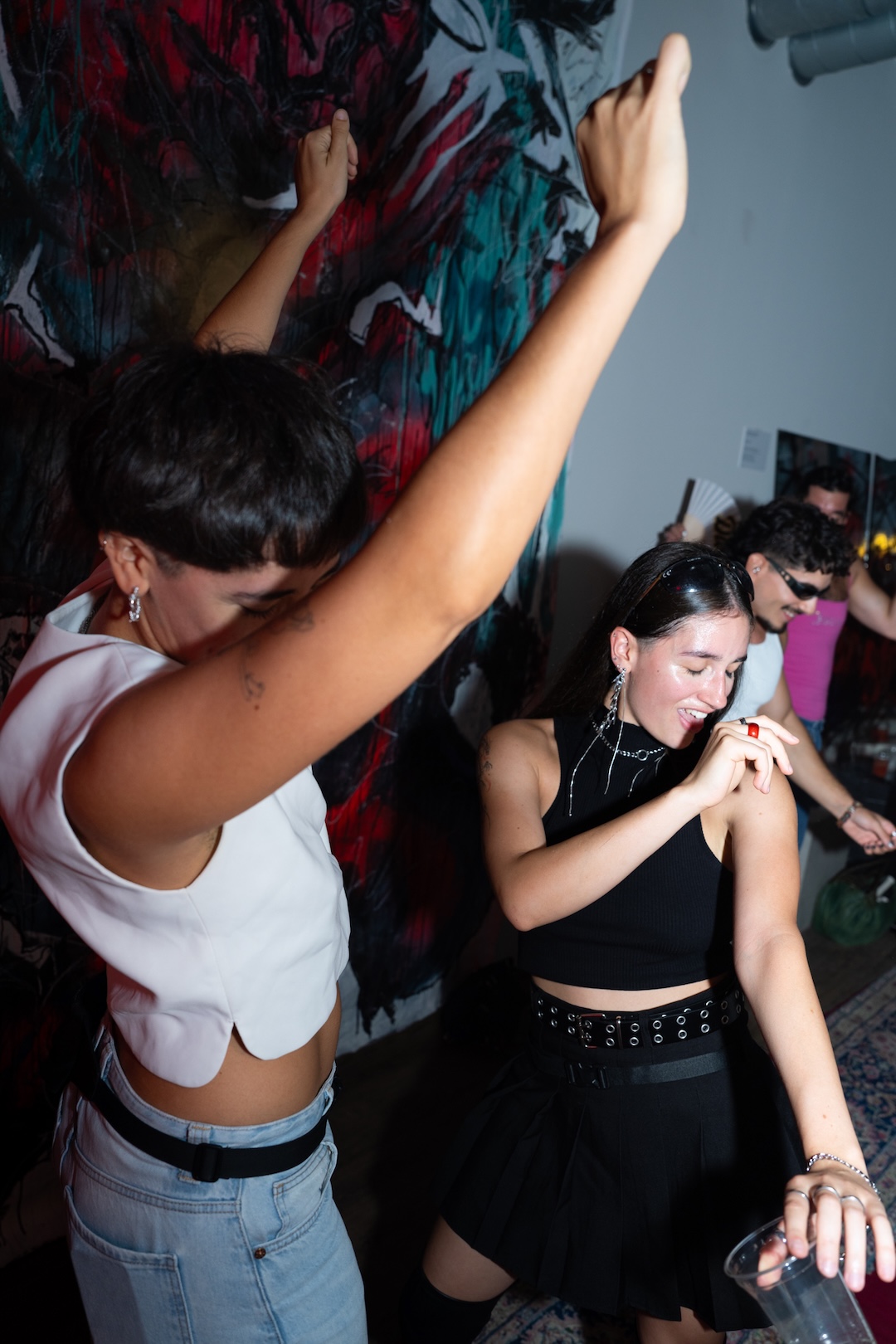
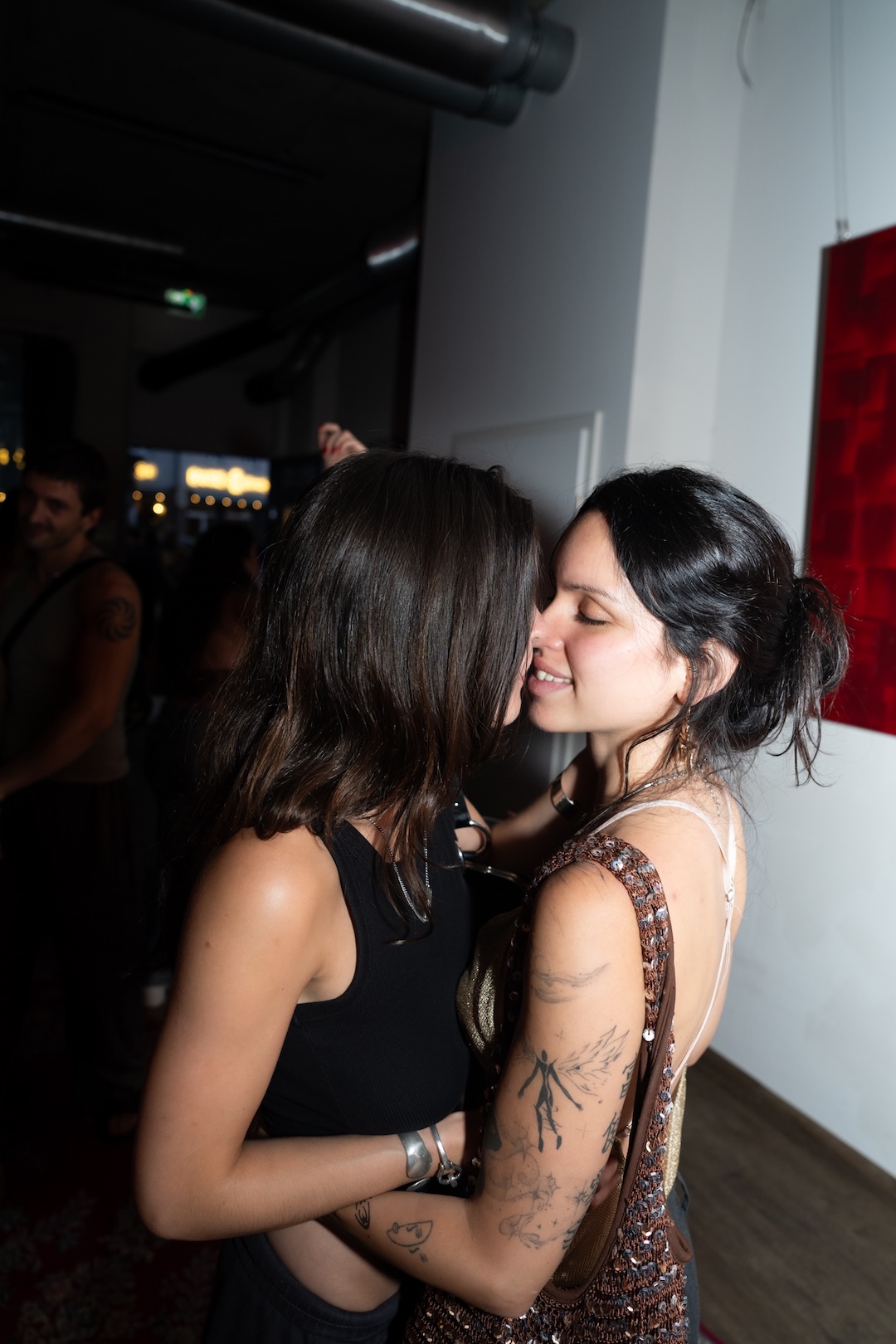
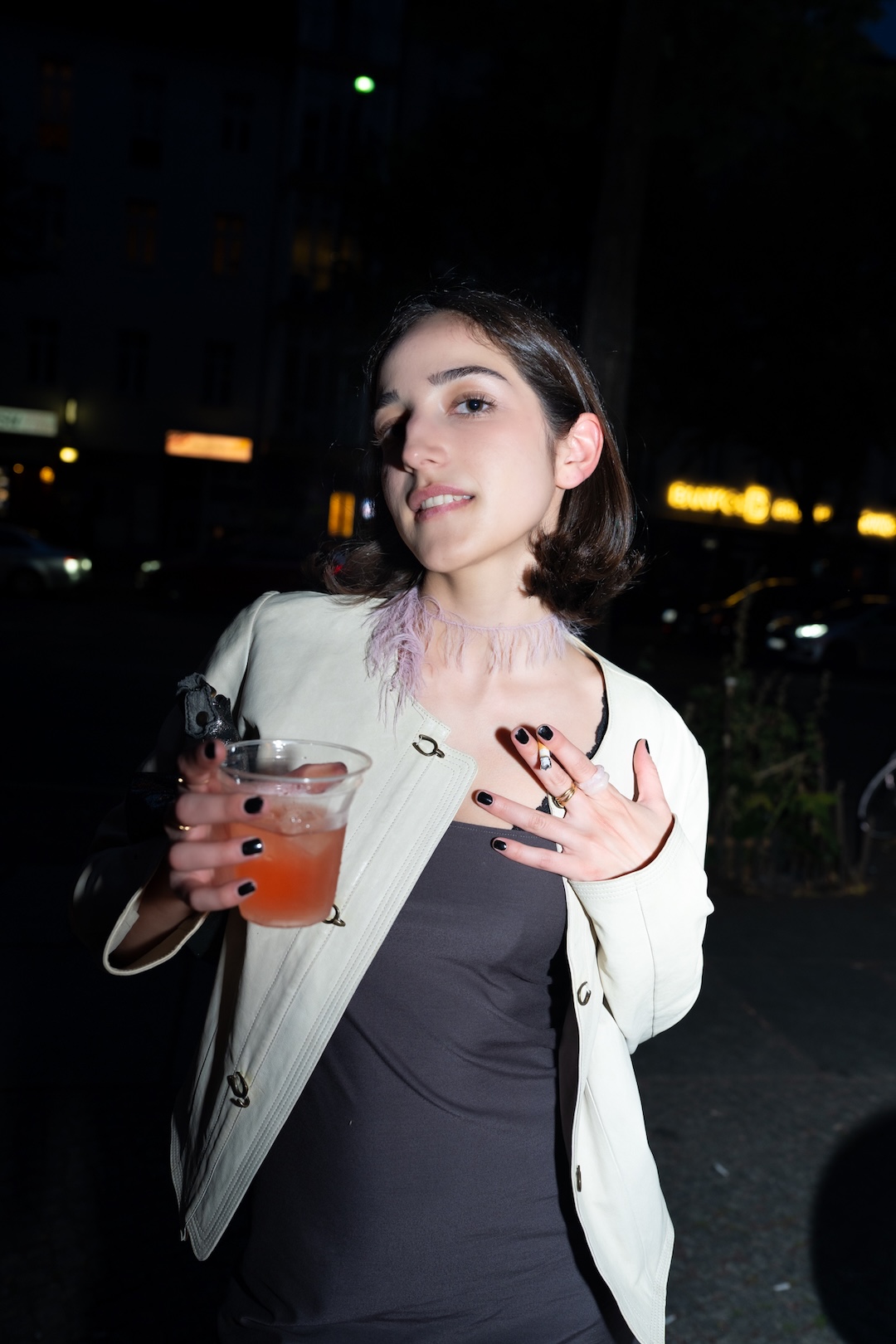
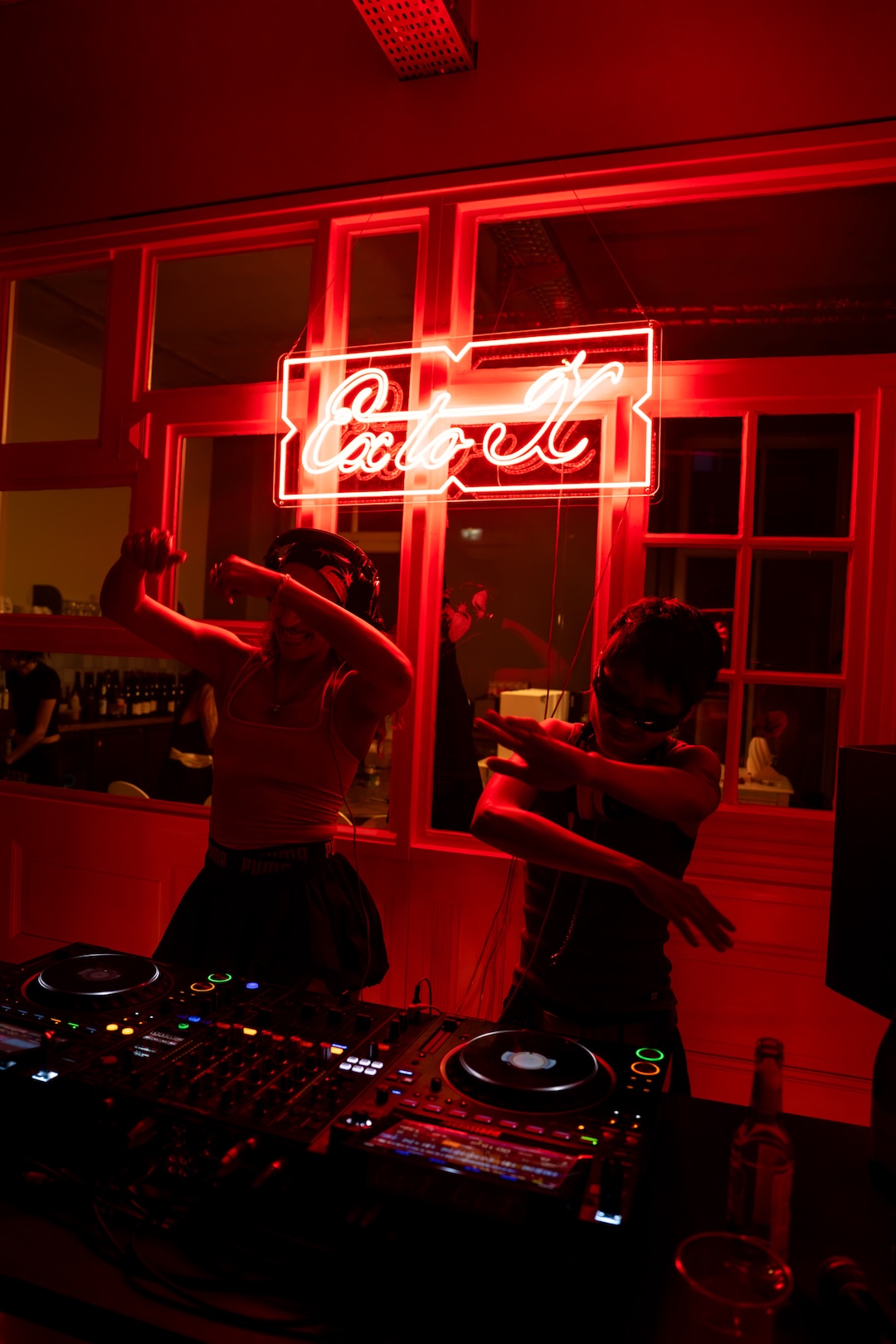
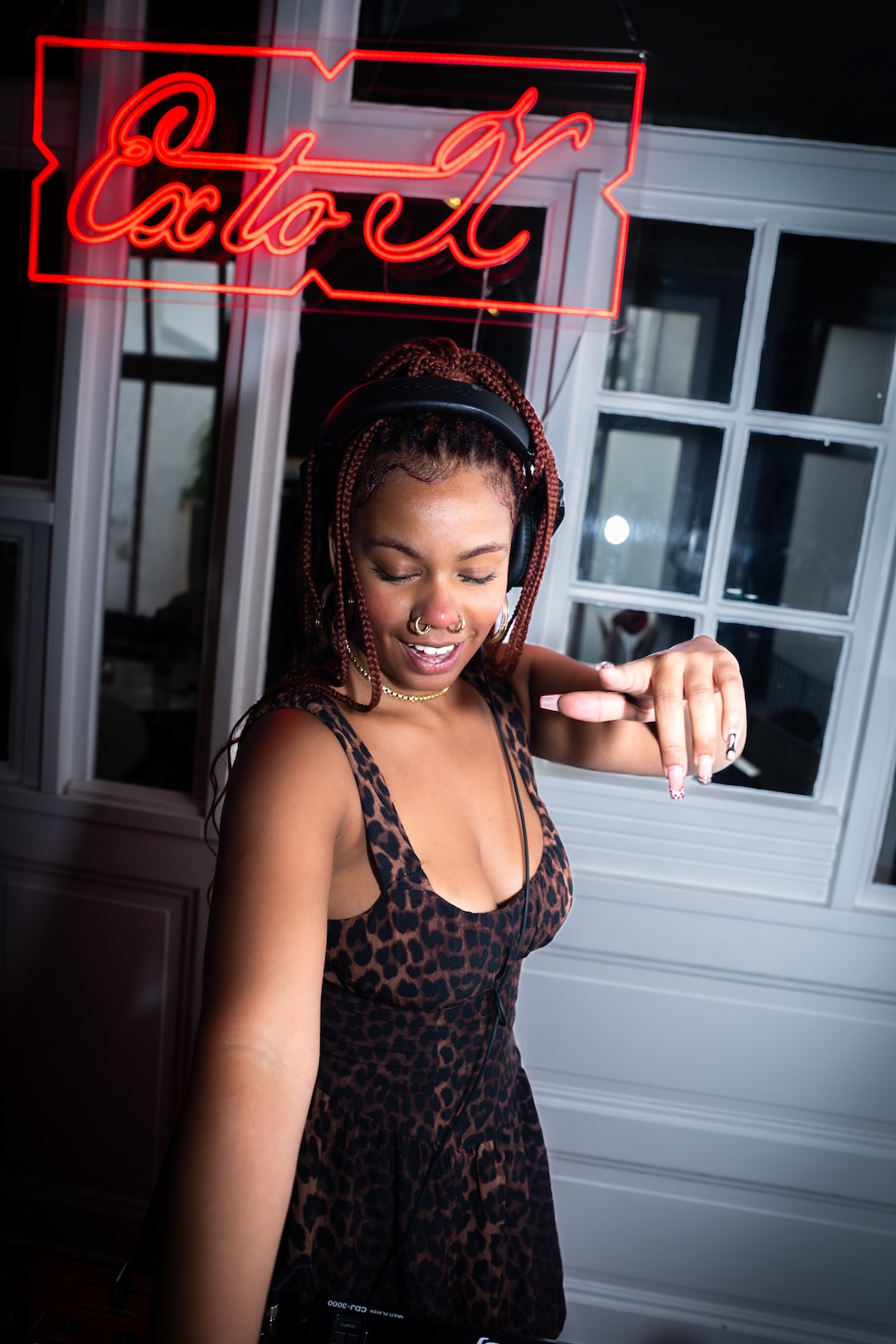
Designed to introduce FLINTA* talent to audiences, industries and networks they may otherwise not reach, Ex to X is building an evolving creative community centred on visibility, access and collaboration. The initiative begins with a series of communal gatherings and events, alongside the development of a digital platform designed to create visibility and connect talent across creative disciplines. Rather than treating networking as an end in itself, Ex to X aims to create the conditions for meaningful relationships, shared knowledge and, ultimately, real creative opportunities.
When people gain access to the right collaborators, conversations and opportunities, careers begin to happen. Ex to X is building a new infrastructure that will continue to evolve through the community and conversations it brings together. As the initiative continues to grow, its ambition extends beyond individual events: to foster a culture where access is shared, doors are opened for others, and collaboration becomes a natural part of moving through the creative industry.
We spoke with Angelique Houben and Stefanie Giesinger about the experiences and ideas behind Ex to X, the importance of access for FLINTA* creatives, and their vision for building a more connected and collaborative creative community in Berlin.

PHOTOGRAPHY LU DEVERALL
Ex to X was born from the belief that creativity thrives through connection rather than competition. Looking back at your own journeys, what was the moment that made you realise a space like this wasn’t just desirable, but necessary?
Angelique: I’ve always loved hosting and bringing people together. Through the different jobs I’ve had and the social settings I’ve moved through, I think I’ve naturally become quite good at matching people’s vibes and seeing who might get along. I love bringing friends of mine who don’t know each other around a table, to a party and on trips and seeing them start hanging out after is everything. Being an active part in creating a connection that might not have happened otherwise. Berlin has so many incredible people doing interesting things, but often they exist in very separate bubbles. I’ve always believed that you’re shaped by the people you surround yourself with, and some of the best ideas in my life have come from unexpected connections. Ex to X really grew from that instinct, but on a bigger scale - bringing together people from different creative worlds and creating the space for those connections to turn into something impactful.
Ex to X is about contemporary city culture. What does that mean to you?
Angelique: Everything we love about being in a big city, and the random things you stumble upon as you move through it. People, music, art, design, food, architecture, literature, etc., all these different creative disciplines and the feeling of being surrounded by so much happening at once. Seeing how they naturally influence and inspire each other.
Also, I love the conversations and exchanges that happen between people based on their culture. Ultimately, it really is our definition and very own individual interpretation of the world, shaped by where we come from, what we’ve experienced, what we’ve been exposed to and how we see things. And that’s what I find so exciting: different perspectives colliding, coming together and creating something from it.
If you think back - to your past - what was your earliest touchpoint with those disciplines? And how did they translate into your lives growing up?
Angelique: For me, definitely music. My dad has collected vinyls for as long as I can remember, so there was always music playing at home and new records coming in. I also have Greek roots, and music was such a big part of our family gatherings. There was always something playing, people dancing, singing, talking over each other. It was very much part of how I grew up and how I experienced being together. That definitely stuck with me.
How they translated? A very evident example I can think of: I grew up in a tiny village, so far off from everything that I really needed and wanted a car to get out there and be independent. I’d been waiting for years to finally turn 18, saved up all my money to get my own one. At that point though, my priorities had changed: instead of making a wise choice on the car selection, all my savings went into getting a sound system installed in the trunk, down grading on everything else, and ending up with a used opel corsa, with the engine breaking down 3 months later for the very first time. The bass was banging though for the time being, haha.
Stefanie: For me, it was probably fashion, but without really knowing that it was fashion yet. I grew up in a small town and started modelling when I was 13, so suddenly I was being introduced to this completely different world of images, clothes, photography and people creating things together.
I think what fascinated me most wasn’t necessarily being in front of the camera, but discovering everything that existed around it. The photographers, stylists, make-up artists, designers, the references behind a shoot, the music playing on set. I started understanding that an image is never really created by one person, but through all these different disciplines coming together.
That curiosity has stayed with me. Even though fashion was my entry point, so much of what inspires me today comes from outside of it.
PHOTOGRAPHY IMOGEN
Berlin has long been celebrated as a creative capital, yet many people today describe it as a city that’s becoming increasingly difficult to navigate professionally and personally. How do you hope Ex to X responds to this changing creative landscape, particularly for FLINTA creatives?
Angelique: Hmm, I actually can’t fully relate to that. Since the day I moved to Berlin, I’ve met some of the most amazing people and had so many creative opportunities open up to me. Of course, it’s competitive, but I feel like that’s the case anywhere, especially when you’re working in a creative industry. I also think people notice when you’re genuinely burning for something. When you really care about what you’re doing, put yourself out there and keep showing up; I’ve found that people are often willing to open doors for you. That’s been very much my experience in Berlin.
Also, for us, Ex to X is a response to FLINTA* creatives still being so underrepresented across many creative fields, and we want to create opportunities that support them actively. Gatherings to meet, exchange, collaborate, share knowledge and make each other more visible. We want to connect our community to media, institutions, brands and well-established people in the industry, as access really is what it comes down to these days.
Stefanie: I think one of the biggest challenges isn’t necessarily a lack of talent or ideas, but access. I’ve experienced firsthand how much one introduction can change the direction of your career. Someone mentioning your name in a room you’re not in, inviting you somewhere, or simply believing in your work can make an enormous difference.
And that access still isn’t distributed equally. Especially for FLINTA* creatives, there are still so many industries and positions where representation is missing.
With Ex to X, we want to make some of those invisible barriers a little easier to cross, not by promising anyone a career, but by connecting emerging talent with established creatives, media, institutions and brands, and creating situations where those relationships can actually form.
For me, it’s also about changing the mentality around access. If I have access to a room, why wouldn’t I bring someone with me? The goal isn’t to protect our seats at the table. It’s to make the table bigger.
You’re building more than a series of events; you’re creating an ongoing community that exists both online and offline. What does meaningful connection look like to you, and how do you ensure those first conversations evolve into lasting collaborations?
Stefanie: For me, meaningful connection starts when you stop thinking about what someone can do for you. I’ve been in this industry for a long time, and you can feel very quickly when a conversation is transactional. The connections that have shaped my life usually started without any particular intention behind them.
That’s what we want to create with Ex to X. We can bring people into the same room, make an introduction or create a reason for two worlds to meet, but we can’t manufacture what happens afterwards. And I don’t think we should. Sometimes it becomes a collaboration, sometimes a friendship, sometimes it’s one conversation that changes how you think about something. To me, all of those are valuable.
The important part is creating enough continuity that people don’t only meet once. We want people to keep coming back, seeing familiar faces, discovering new ones and eventually start creating things together without Ex to X having to orchestrate it.
If someone joins Ex to X a year from now, what do you hope they’ll have gained beyond new contacts? What kind of creative culture are you ultimately trying to build?
Stefanie: I hope they’ve gained a stronger sense of possibility. Not just a longer contact list, but the feeling that there are people around them who want to see them succeed and who are willing to share access, knowledge and opportunities.
I know from my own career how much one introduction can change. Talent is incredibly important, but talent alone doesn’t always get you into the room. Someone has to know your work, mention your name, invite you or believe in you before everyone else does. I want Ex to X to make more of those moments possible, especially for FLINTA* creatives.
Ultimately, I’d love to build a culture where opening a door for someone else doesn’t feel like giving something away. Where someone else’s success isn’t a threat to your own. If Ex to X can make collaboration, generosity and introducing people to each other feel like the natural way of moving through the creative industry, that would be the biggest success for me.
Ex to X Wants to Redefine Visibility for the FLINTA* Creative Community
AUGUST 19, 2026
WORDS ADRIÁN GOMIS EXPÓSITO
PHOTOGRAPHY LU DEVERALL
No great cultural movement has ever been built alone. Founded by entrepreneur and model Stefanie Giesinger and cultural strategist and creative producer Angelique Houben, Ex to X is rooted in a simple belief: the most impactful creative moments are never created in solitude.
Designed to introduce FLINTA* talent to audiences, industries and networks they may otherwise not reach, Ex to X is building an evolving creative community centred on visibility, access and collaboration. The initiative begins with a series of communal gatherings and events, alongside the development of a digital platform designed to create visibility and connect talent across creative disciplines. Rather than treating networking as an end in itself, Ex to X aims to create the conditions for meaningful relationships, shared knowledge and, ultimately, real creative opportunities.
When people gain access to the right collaborators, conversations and opportunities, careers begin to happen. Ex to X is building a new infrastructure that will continue to evolve through the community and conversations it brings together. As the initiative continues to grow, its ambition extends beyond individual events: to foster a culture where access is shared, doors are opened for others, and collaboration becomes a natural part of moving through the creative industry.
We spoke with Angelique Houben and Stefanie Giesinger about the experiences and ideas behind Ex to X, the importance of access for FLINTA* creatives, and their vision for building a more connected and collaborative creative community in Berlin.
PHOTOGRAPHY LU DEVERALL
Ex to X was born from the belief that creativity thrives through connection rather than competition. Looking back at your own journeys, what was the moment that made you realise a space like this wasn’t just desirable, but necessary?
Angelique: I’ve always loved hosting and bringing people together. Through the different jobs I’ve had and the social settings I’ve moved through, I think I’ve naturally become quite good at matching people’s vibes and seeing who might get along. I love bringing friends of mine who don’t know each other around a table, to a party and on trips and seeing them start hanging out after is everything. Being an active part in creating a connection that might not have happened otherwise. Berlin has so many incredible people doing interesting things, but often they exist in very separate bubbles. I’ve always believed that you’re shaped by the people you surround yourself with, and some of the best ideas in my life have come from unexpected connections. Ex to X really grew from that instinct, but on a bigger scale - bringing together people from different creative worlds and creating the space for those connections to turn into something impactful.
Ex to X is about contemporary city culture. What does that mean to you?
Angelique: Everything we love about being in a big city, and the random things you stumble upon as you move through it. People, music, art, design, food, architecture, literature, etc., all these different creative disciplines and the feeling of being surrounded by so much happening at once. Seeing how they naturally influence and inspire each other.
Also, I love the conversations and exchanges that happen between people based on their culture. Ultimately, it really is our definition and very own individual interpretation of the world, shaped by where we come from, what we’ve experienced, what we’ve been exposed to and how we see things. And that’s what I find so exciting: different perspectives colliding, coming together and creating something from it.
If you think back - to your past - what was your earliest touchpoint with those disciplines? And how did they translate into your lives growing up?
Angelique: For me, definitely music. My dad has collected vinyls for as long as I can remember, so there was always music playing at home and new records coming in. I also have Greek roots, and music was such a big part of our family gatherings. There was always something playing, people dancing, singing, talking over each other. It was very much part of how I grew up and how I experienced being together. That definitely stuck with me.
How they translated? A very evident example I can think of: I grew up in a tiny village, so far off from everything that I really needed and wanted a car to get out there and be independent. I’d been waiting for years to finally turn 18, saved up all my money to get my own one. At that point though, my priorities had changed: instead of making a wise choice on the car selection, all my savings went into getting a sound system installed in the trunk, down grading on everything else, and ending up with a used opel corsa, with the engine breaking down 3 months later for the very first time. The bass was banging though for the time being, haha.
Stefanie: For me, it was probably fashion, but without really knowing that it was fashion yet. I grew up in a small town and started modelling when I was 13, so suddenly I was being introduced to this completely different world of images, clothes, photography and people creating things together.
I think what fascinated me most wasn’t necessarily being in front of the camera, but discovering everything that existed around it. The photographers, stylists, make-up artists, designers, the references behind a shoot, the music playing on set. I started understanding that an image is never really created by one person, but through all these different disciplines coming together.
That curiosity has stayed with me. Even though fashion was my entry point, so much of what inspires me today comes from outside of it.
PHOTOGRAPHY IMOGEN
Berlin has long been celebrated as a creative capital, yet many people today describe it as a city that’s becoming increasingly difficult to navigate professionally and personally. How do you hope Ex to X responds to this changing creative landscape, particularly for FLINTA creatives?
Angelique: Hmm, I actually can’t fully relate to that. Since the day I moved to Berlin, I’ve met some of the most amazing people and had so many creative opportunities open up to me. Of course, it’s competitive, but I feel like that’s the case anywhere, especially when you’re working in a creative industry. I also think people notice when you’re genuinely burning for something. When you really care about what you’re doing, put yourself out there and keep showing up; I’ve found that people are often willing to open doors for you. That’s been very much my experience in Berlin.
Also, for us, Ex to X is a response to FLINTA* creatives still being so underrepresented across many creative fields, and we want to create opportunities that support them actively. Gatherings to meet, exchange, collaborate, share knowledge and make each other more visible. We want to connect our community to media, institutions, brands and well-established people in the industry, as access really is what it comes down to these days.
Stefanie: I think one of the biggest challenges isn’t necessarily a lack of talent or ideas, but access. I’ve experienced firsthand how much one introduction can change the direction of your career. Someone mentioning your name in a room you’re not in, inviting you somewhere, or simply believing in your work can make an enormous difference.
And that access still isn’t distributed equally. Especially for FLINTA* creatives, there are still so many industries and positions where representation is missing.
With Ex to X, we want to make some of those invisible barriers a little easier to cross, not by promising anyone a career, but by connecting emerging talent with established creatives, media, institutions and brands, and creating situations where those relationships can actually form.
For me, it’s also about changing the mentality around access. If I have access to a room, why wouldn’t I bring someone with me? The goal isn’t to protect our seats at the table. It’s to make the table bigger.
You’re building more than a series of events; you’re creating an ongoing community that exists both online and offline. What does meaningful connection look like to you, and how do you ensure those first conversations evolve into lasting collaborations?
Stefanie: For me, meaningful connection starts when you stop thinking about what someone can do for you. I’ve been in this industry for a long time, and you can feel very quickly when a conversation is transactional. The connections that have shaped my life usually started without any particular intention behind them.
That’s what we want to create with Ex to X. We can bring people into the same room, make an introduction or create a reason for two worlds to meet, but we can’t manufacture what happens afterwards. And I don’t think we should. Sometimes it becomes a collaboration, sometimes a friendship, sometimes it’s one conversation that changes how you think about something. To me, all of those are valuable.
The important part is creating enough continuity that people don’t only meet once. We want people to keep coming back, seeing familiar faces, discovering new ones and eventually start creating things together without Ex to X having to orchestrate it.
If someone joins Ex to X a year from now, what do you hope they’ll have gained beyond new contacts? What kind of creative culture are you ultimately trying to build?
Stefanie: I hope they’ve gained a stronger sense of possibility. Not just a longer contact list, but the feeling that there are people around them who want to see them succeed and who are willing to share access, knowledge and opportunities.
I know from my own career how much one introduction can change. Talent is incredibly important, but talent alone doesn’t always get you into the room. Someone has to know your work, mention your name, invite you or believe in you before everyone else does. I want Ex to X to make more of those moments possible, especially for FLINTA* creatives.
Ultimately, I’d love to build a culture where opening a door for someone else doesn’t feel like giving something away. Where someone else’s success isn’t a threat to your own. If Ex to X can make collaboration, generosity and introducing people to each other feel like the natural way of moving through the creative industry, that would be the biggest success for me.