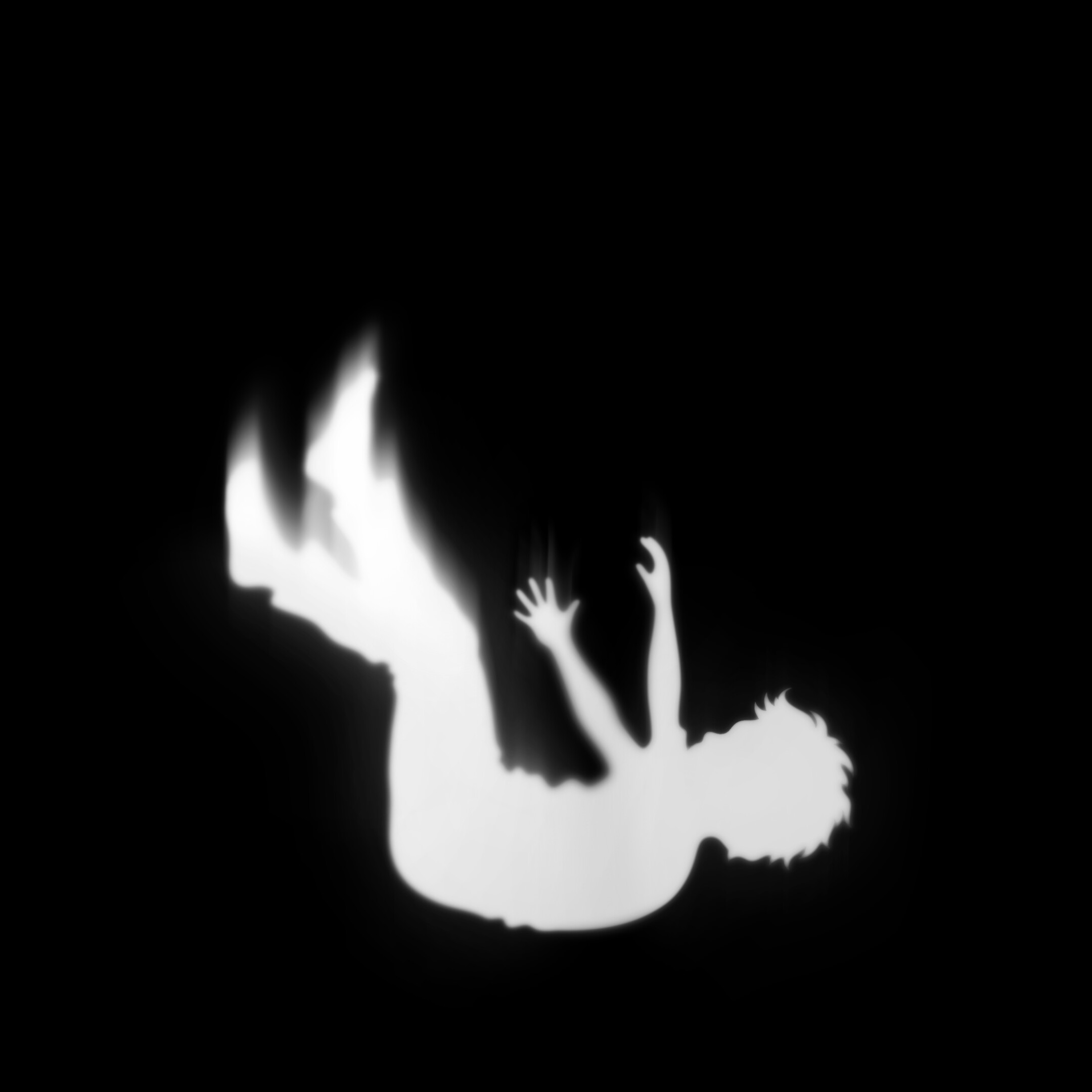
In conversation w/ APSILON
JULY 24, 2026

Released today, Apsilon’s highly anticipated new album GLANZ NULL arrives as his most intimate and quietly radical work to date. Trading grand gestures for emotional precision, the record unfolds as a meditation on identity, grief, love, politics and the hope that another future might still be possible. Its strength lies not in offering answers, but in embracing contradiction, allowing the personal and the political to exist as inseparable forces.
To celebrate the release of GLANZ NULL, Sicky Magazine spoke with Apsilon about the personal and political threads running through the record, identity, and the power of embracing uncertainty.
What I love about music is that, especially when it comes from a deeply personal place, it allows you to experience and understand the world emotionally. Through that, you begin to realise that many of our struggles are universal. We’re all carrying the weight of these apocalyptic times in one way or another.
I don’t think it was a conscious decision. A lot of it came from the music I was listening to at the time. More than that, I believe the context in which music and art are created is incredibly important. Art has always reflected its time, but it’s also a way of sensing what’s to come. The fact that music is becoming more political and emotionally honest again, outside of the mainstream, has a lot to do with the circumstances in which it’s being made. And it’s not just happening in music. You see it in film, literature, photography and visual art, wherever people are engaging creatively with the realities of the world around them.
I’m drawn to contradiction and ambiguity. Whether it’s film, music or any other art form, the works that stay with me are never the ones that offer simple answers – they’re the ones that leave me thinking long after they’re over. The same applies aesthetically. I’m fascinated by contrast, both in music and in the visual worlds we create.


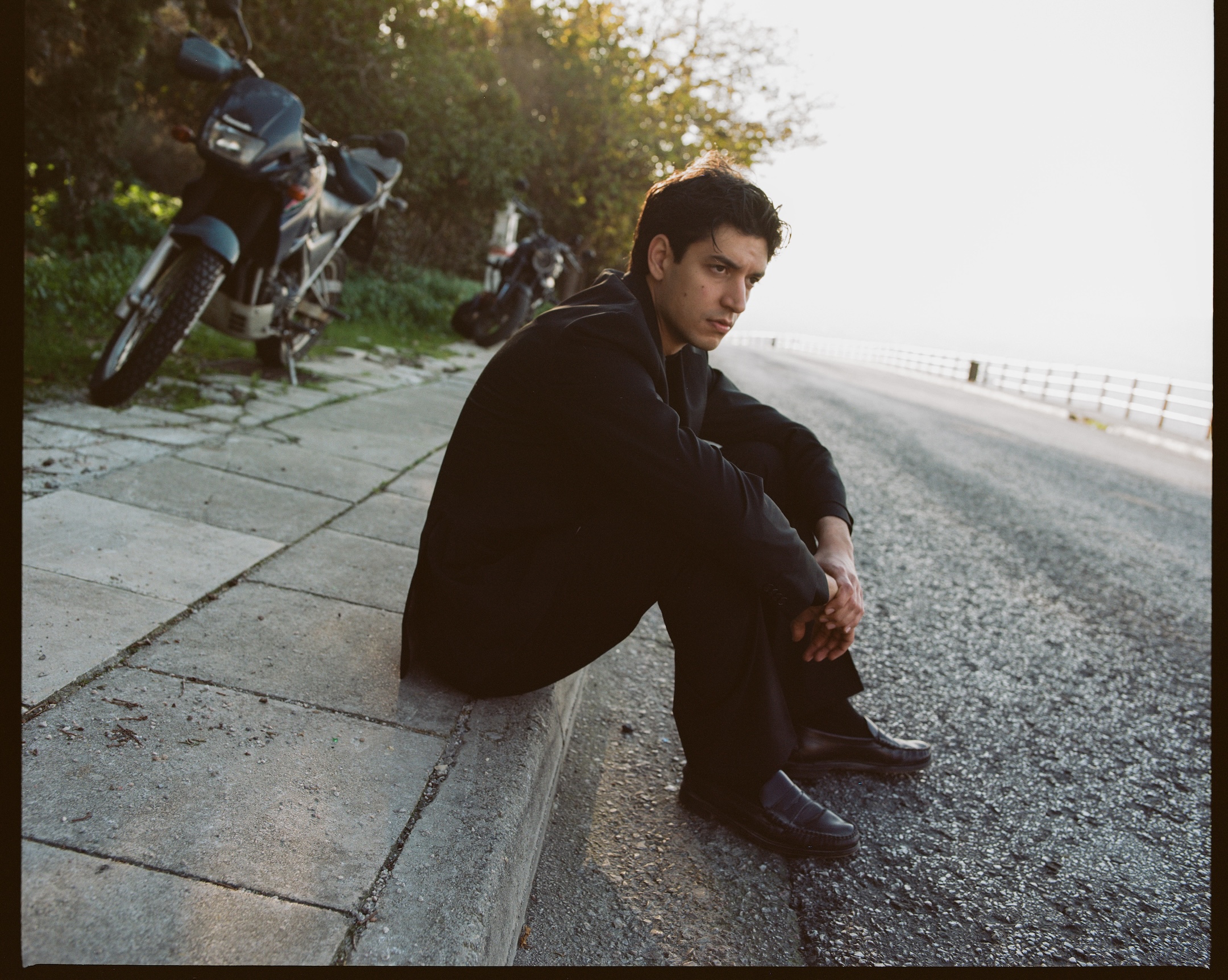
PHOTOGRAPHY MAX HEEB
I’ve felt clear about my own cultural identity for a few years now, but it took me a long time to get there. I’ve learned to appreciate everything my parents passed on to me, the music, the food, the poetry, the language, the humour – as well as the parts of myself that were shaped by growing up in Germany. At the same time, I reject the nationalist idea of the nation-state, especially when it’s intertwined with the logic of capitalism and presented as something sacred. I always say that working people in Berlin have far more in common with working people in Istanbul than they do with billionaires waving the German flag from their balconies.
I know exactly what you mean. Of course there are moments when I catch myself trying to live up to other people’s expectations – from all kinds of different directions. But my brother and I constantly remind each other of what actually matters to us. So far, we’ve always managed to walk into the studio and make exactly the music we want to make, regardless of those expectations. I don’t really see myself as the voice of a generation. At most, I’m one voice among many people who are trying to make sense of the world we’re living in.
I’d probably say that I don’t have enough things that truly calm me down – but I have plenty that drive me. Beyond the more selfish motivations, like wanting recognition or success, it’s the people I love, my anger at the existing order, and my belief that a fundamentally different world is possible and worth fighting for. One day I’d like to have children, and I don’t want them to be born into a dystopia.
A conversation about how we find a way out of the mess we’re living in, both inside our own heads and in the world around us.
In conversation w/ APSILON
JULY 24, 2026

Released today, Apsilon’s highly anticipated new album GLANZ NULL arrives as his most intimate and quietly radical work to date. Trading grand gestures for emotional precision, the record unfolds as a meditation on identity, grief, love, politics and the hope that another future might still be possible. Its strength lies not in offering answers, but in embracing contradiction, allowing the personal and the political to exist as inseparable forces.
To celebrate the release of GLANZ NULL, Sicky Magazine spoke with Apsilon about the personal and political threads running through the record, identity, and the power of embracing uncertainty.

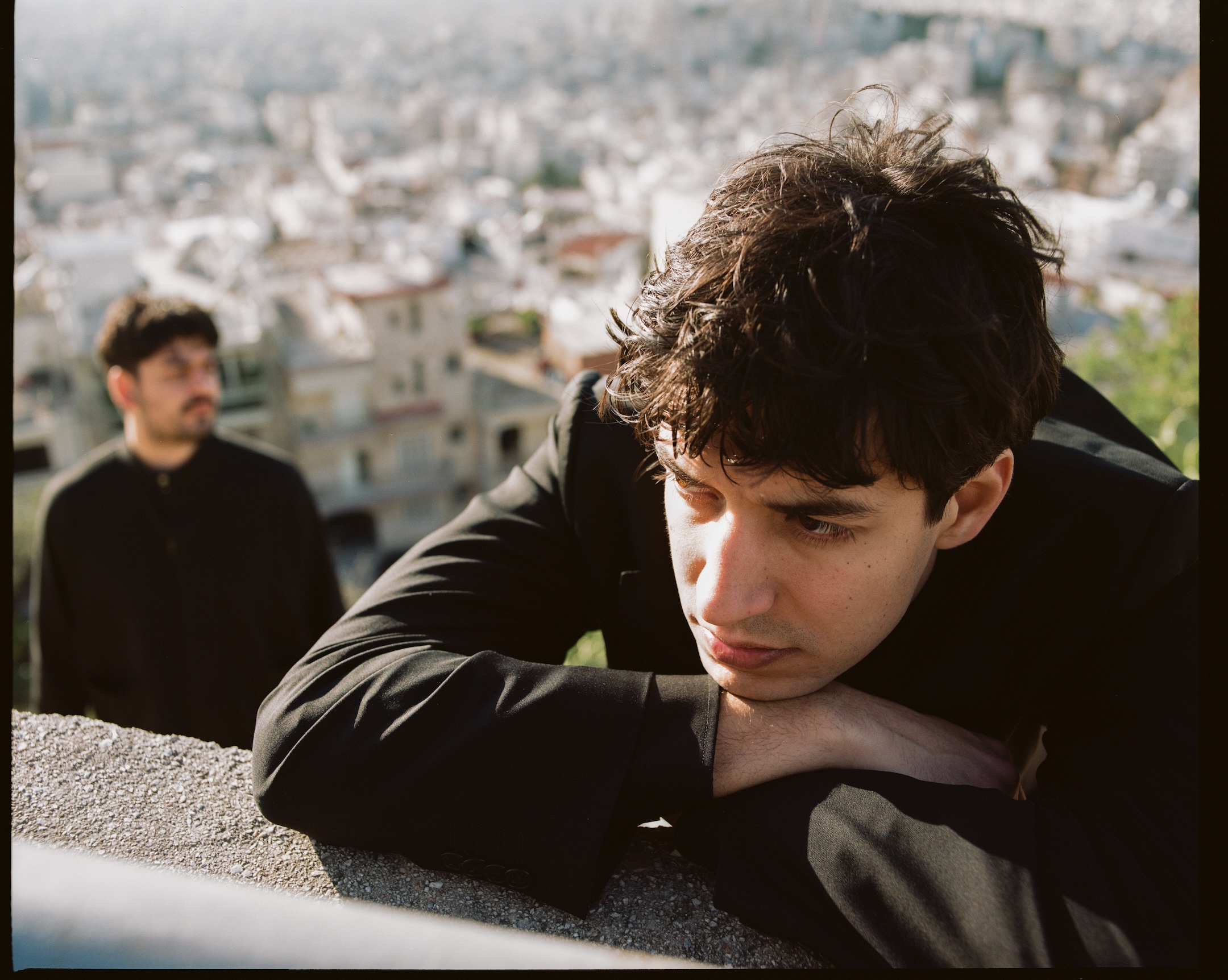
PHOTOGRAPHY MAX HEEB
What I love about music is that, especially when it comes from a deeply personal place, it allows you to experience and understand the world emotionally. Through that, you begin to realise that many of our struggles are universal. We’re all carrying the weight of these apocalyptic times in one way or another.
I don’t think it was a conscious decision. A lot of it came from the music I was listening to at the time. More than that, I believe the context in which music and art are created is incredibly important. Art has always reflected its time, but it’s also a way of sensing what’s to come. The fact that music is becoming more political and emotionally honest again, outside of the mainstream, has a lot to do with the circumstances in which it’s being made. And it’s not just happening in music. You see it in film, literature, photography and visual art, wherever people are engaging creatively with the realities of the world around them.
I’m drawn to contradiction and ambiguity. Whether it’s film, music or any other art form, the works that stay with me are never the ones that offer simple answers – they’re the ones that leave me thinking long after they’re over. The same applies aesthetically. I’m fascinated by contrast, both in music and in the visual worlds we create.

PHOTOGRAPHY MAX HEEB
I’ve felt clear about my own cultural identity for a few years now, but it took me a long time to get there. I’ve learned to appreciate everything my parents passed on to me, the music, the food, the poetry, the language, the humour – as well as the parts of myself that were shaped by growing up in Germany. At the same time, I reject the nationalist idea of the nation-state, especially when it’s intertwined with the logic of capitalism and presented as something sacred. I always say that working people in Berlin have far more in common with working people in Istanbul than they do with billionaires waving the German flag from their balconies.
I know exactly what you mean. Of course there are moments when I catch myself trying to live up to other people’s expectations – from all kinds of different directions. But my brother and I constantly remind each other of what actually matters to us. So far, we’ve always managed to walk into the studio and make exactly the music we want to make, regardless of those expectations. I don’t really see myself as the voice of a generation. At most, I’m one voice among many people who are trying to make sense of the world we’re living in.
I’d probably say that I don’t have enough things that truly calm me down – but I have plenty that drive me. Beyond the more selfish motivations, like wanting recognition or success, it’s the people I love, my anger at the existing order, and my belief that a fundamentally different world is possible and worth fighting for. One day I’d like to have children, and I don’t want them to be born into a dystopia.
A conversation about how we find a way out of the mess we’re living in, both inside our own heads and in the world around us.