Workwear for Cognitive Stability: PLASTICPRODUCT [MPa]
APRIL 2, 2026


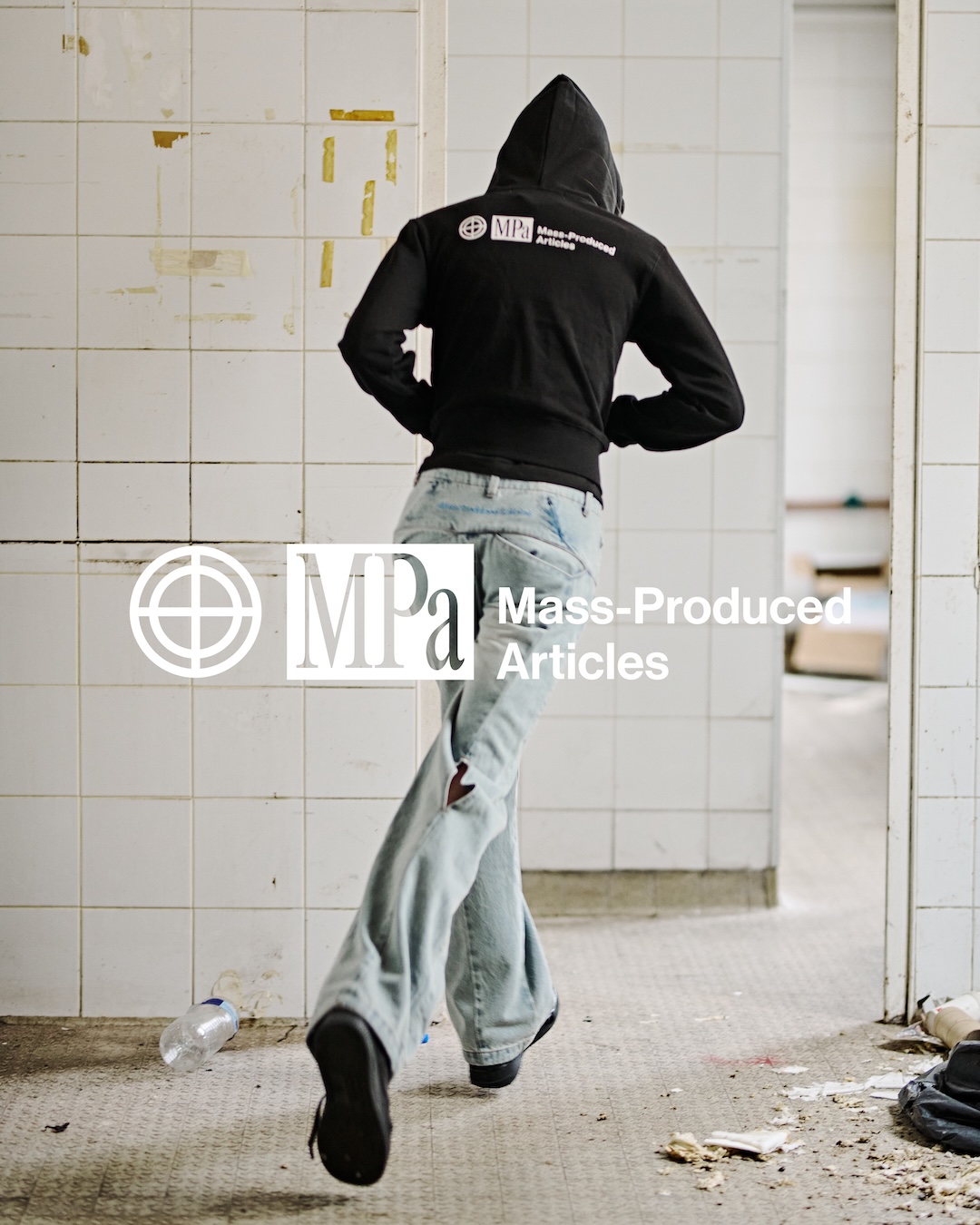
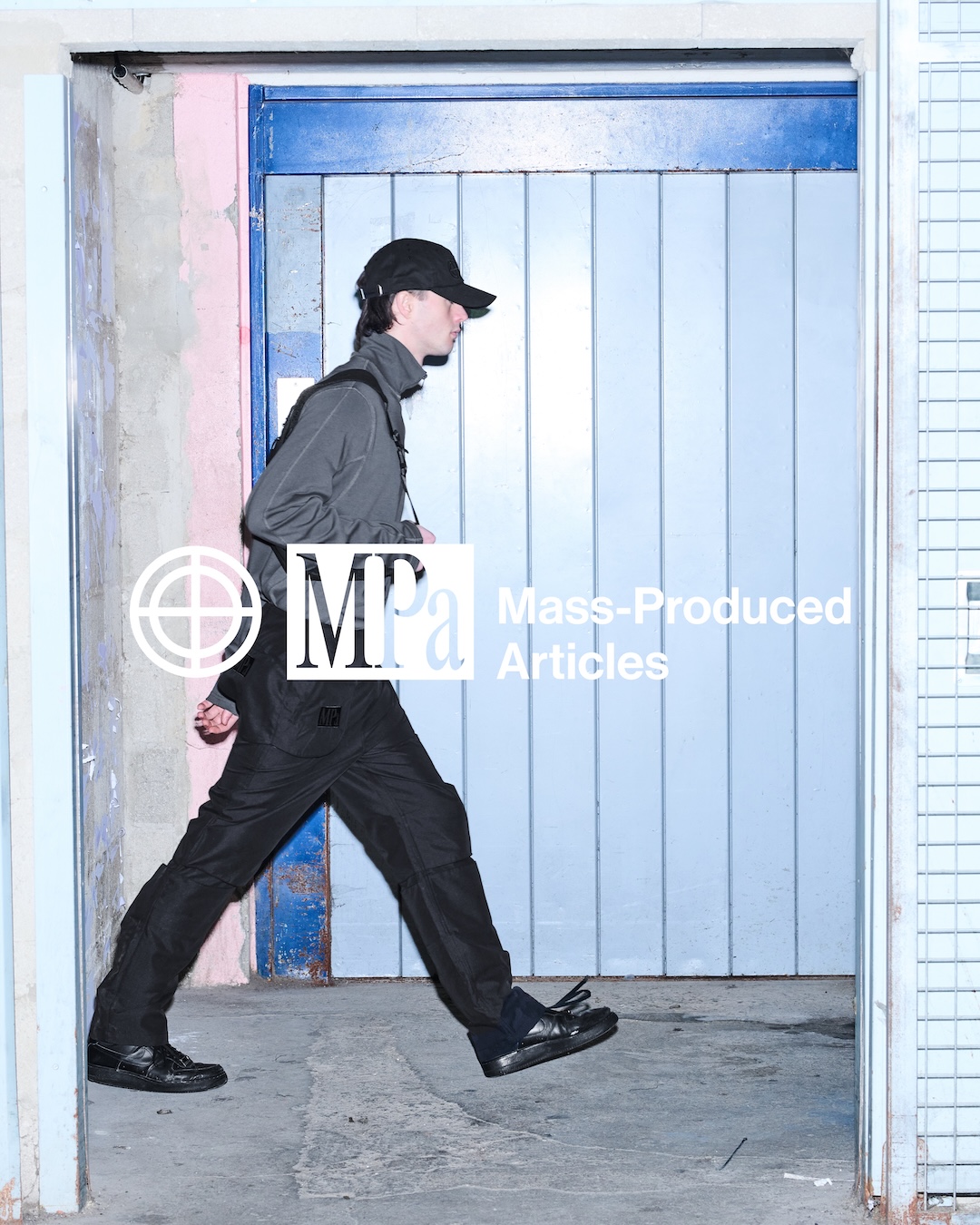
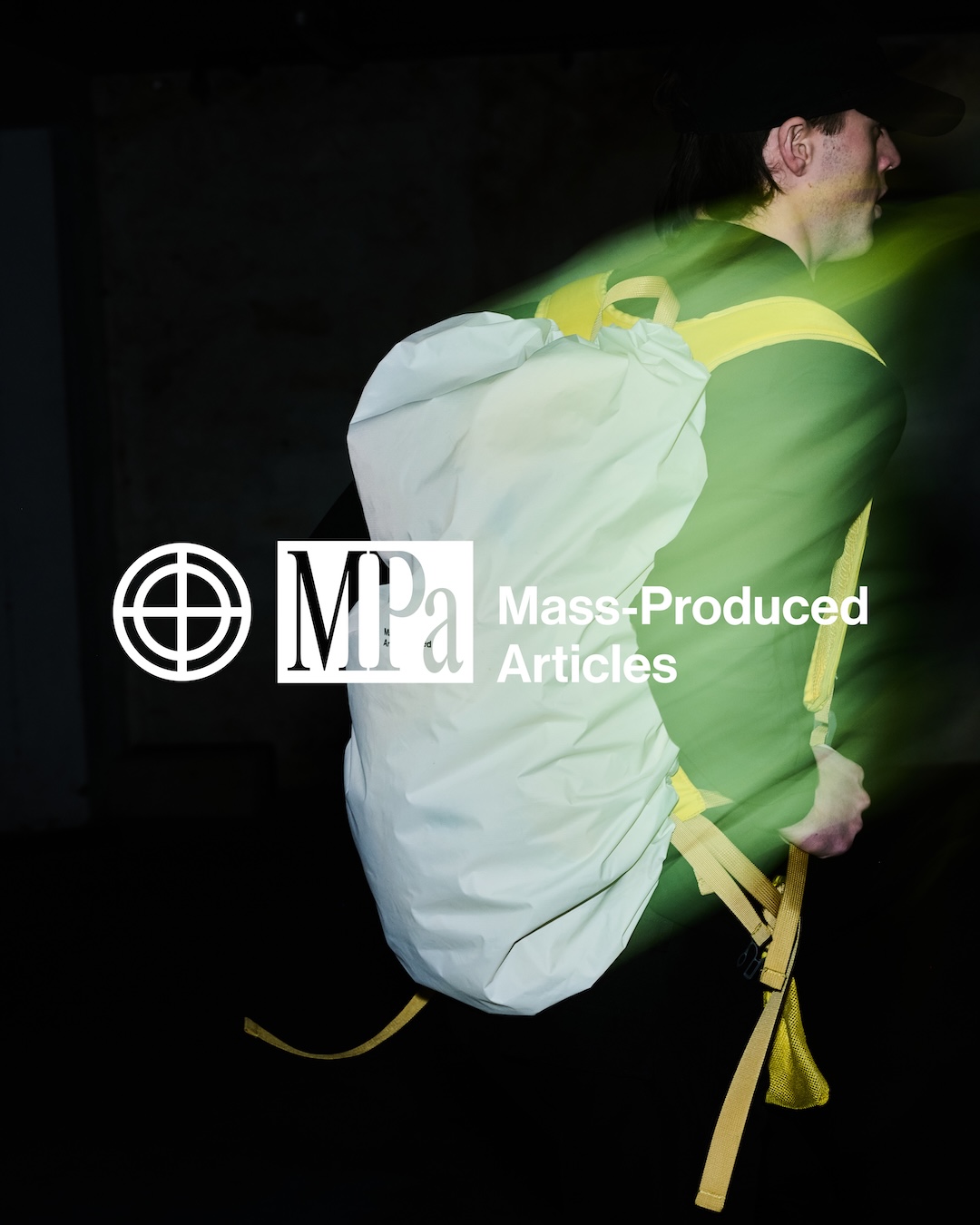
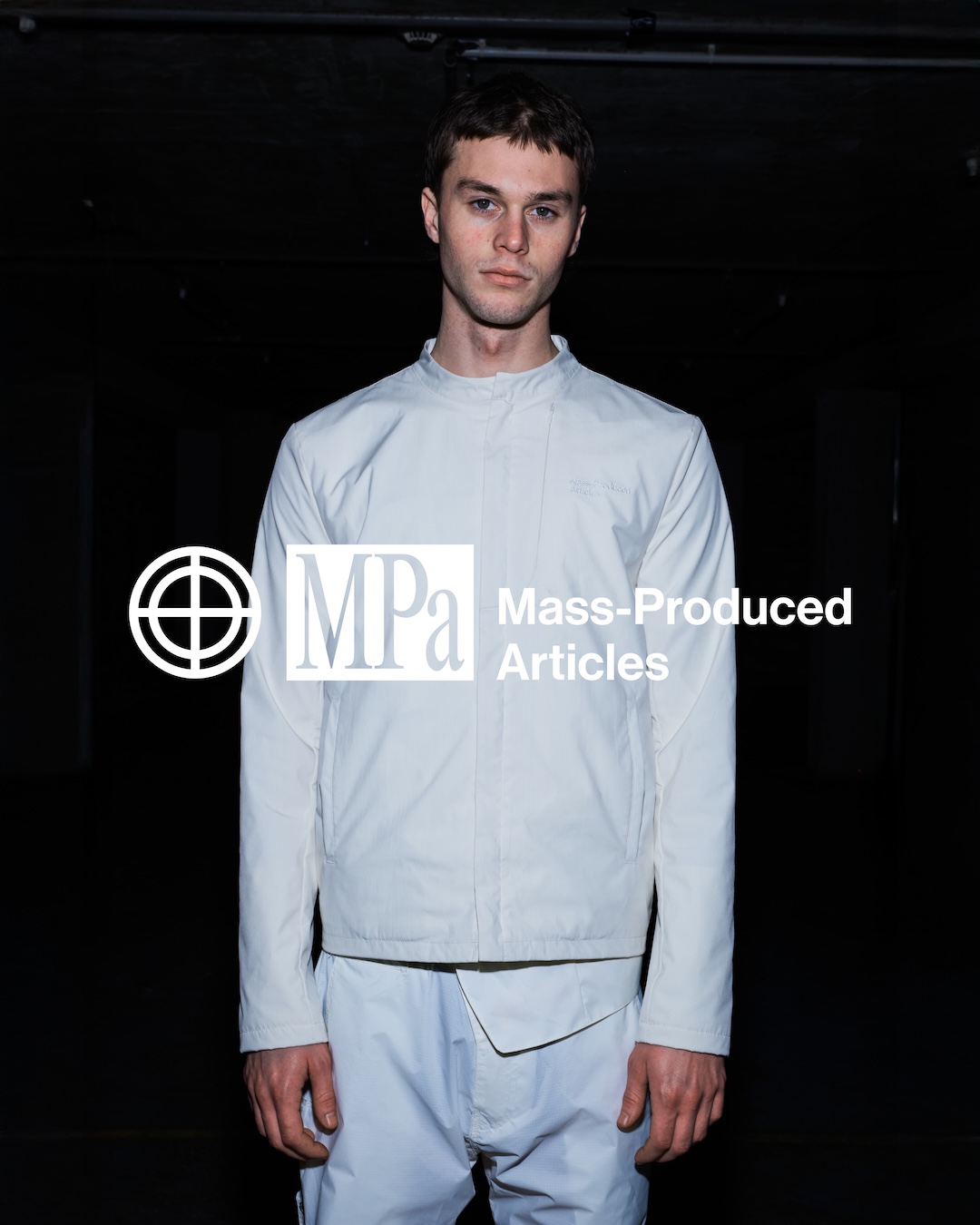
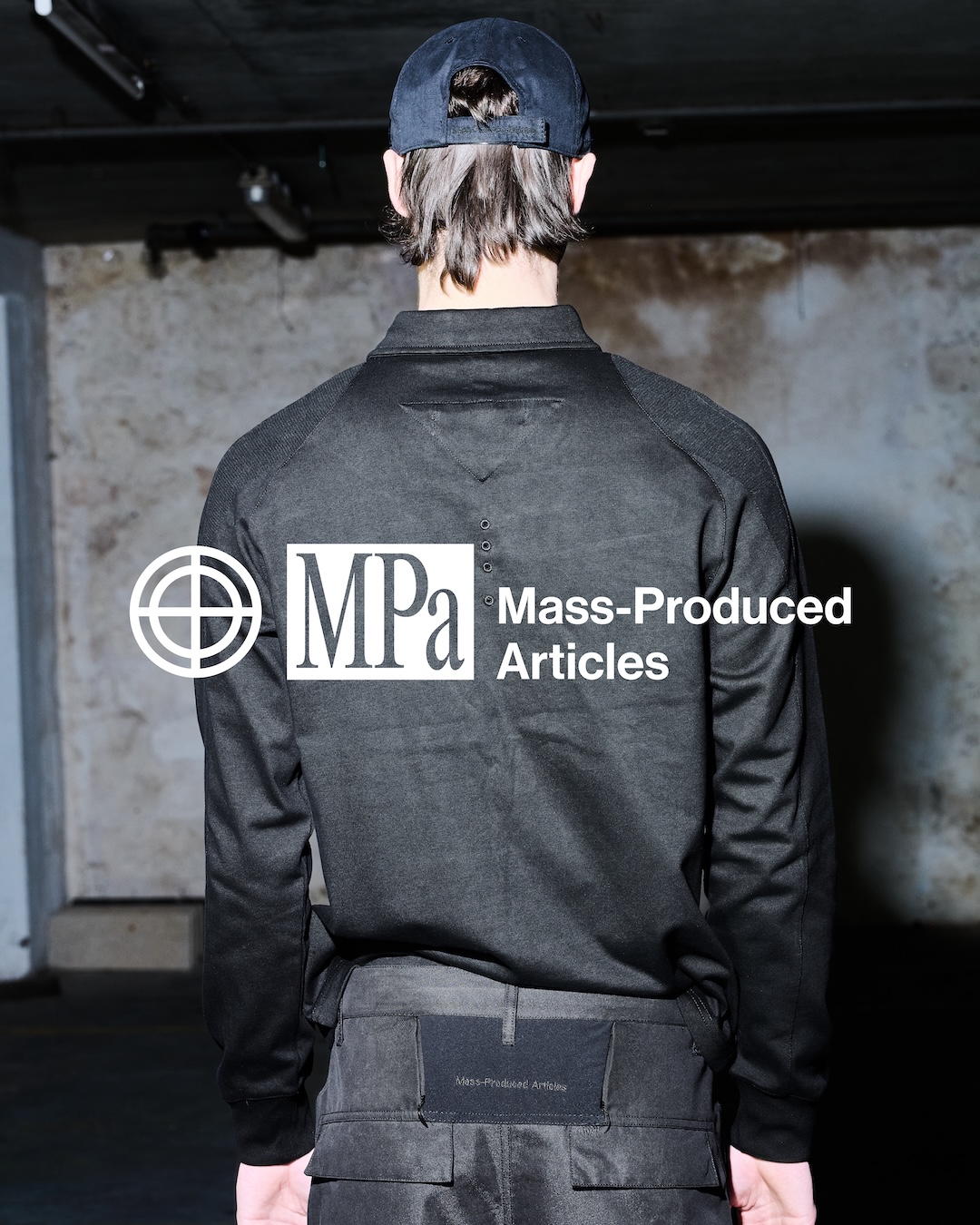
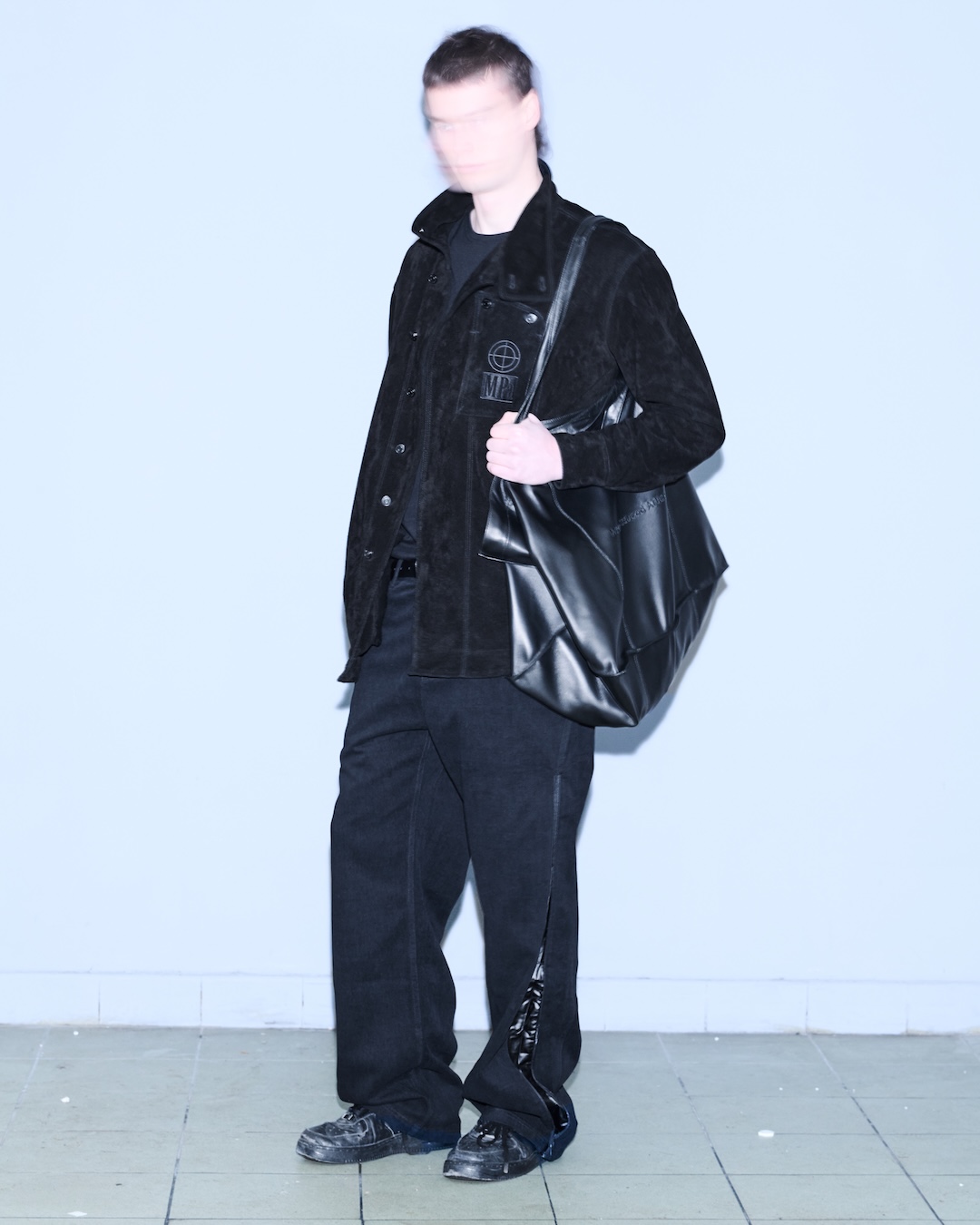
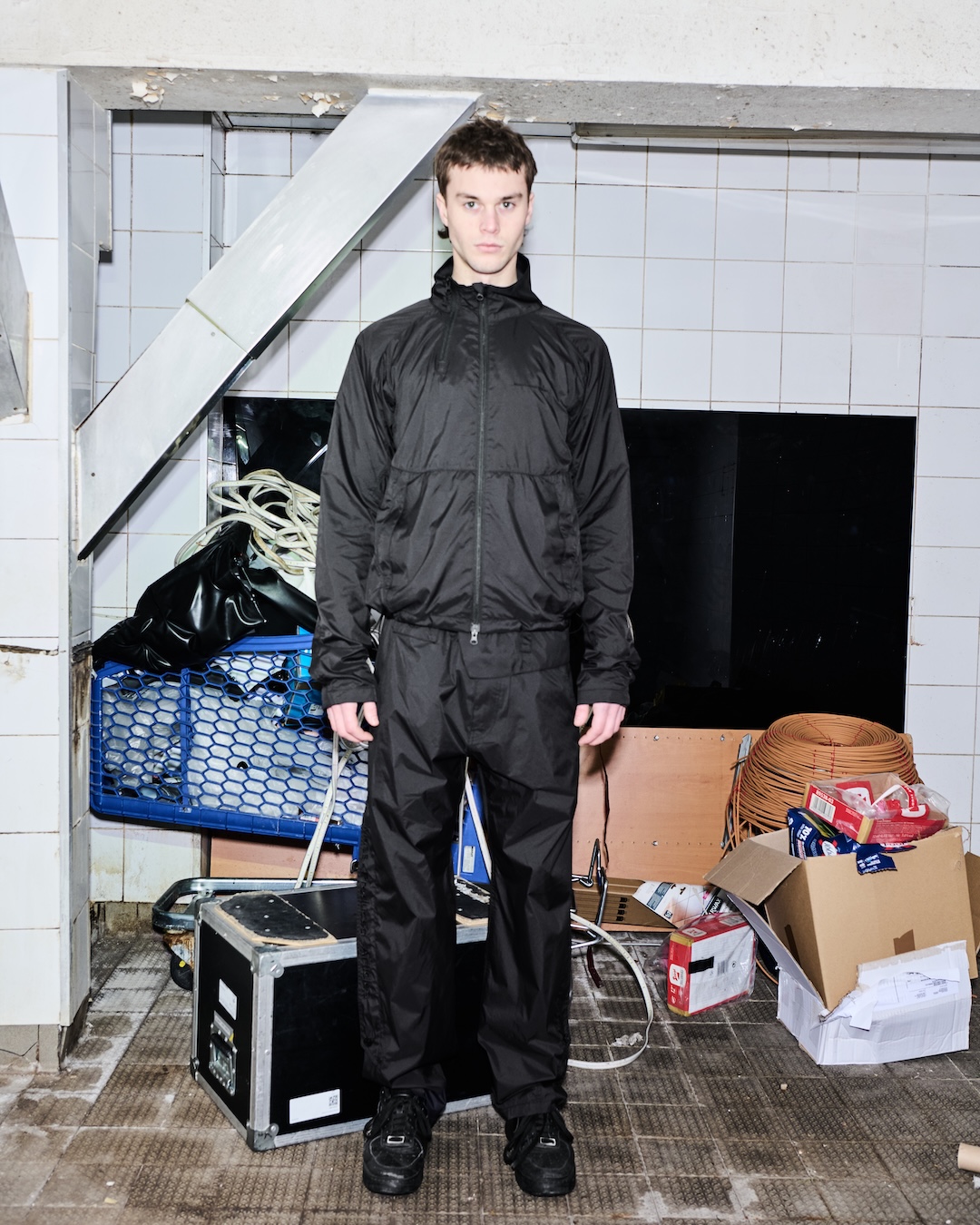
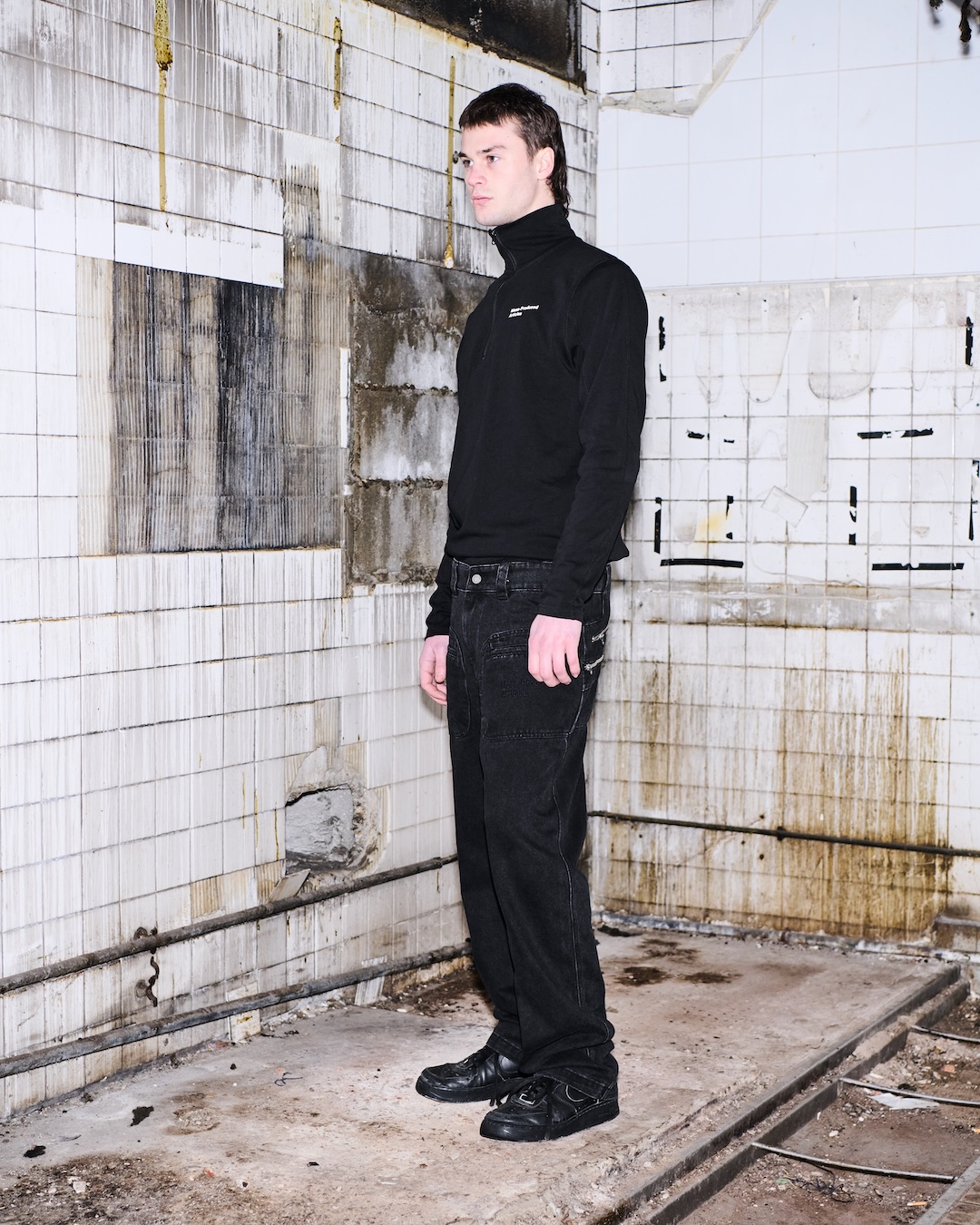
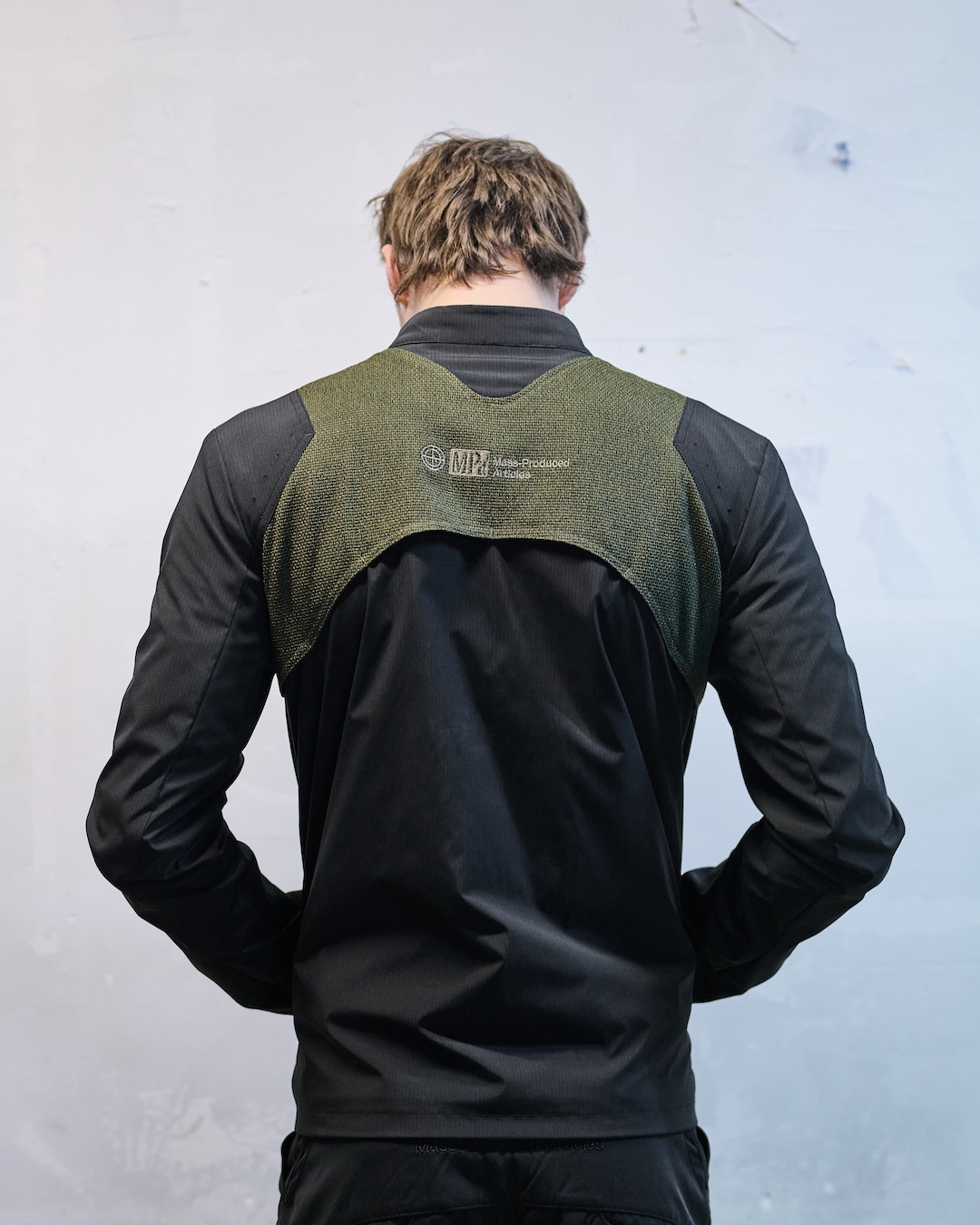
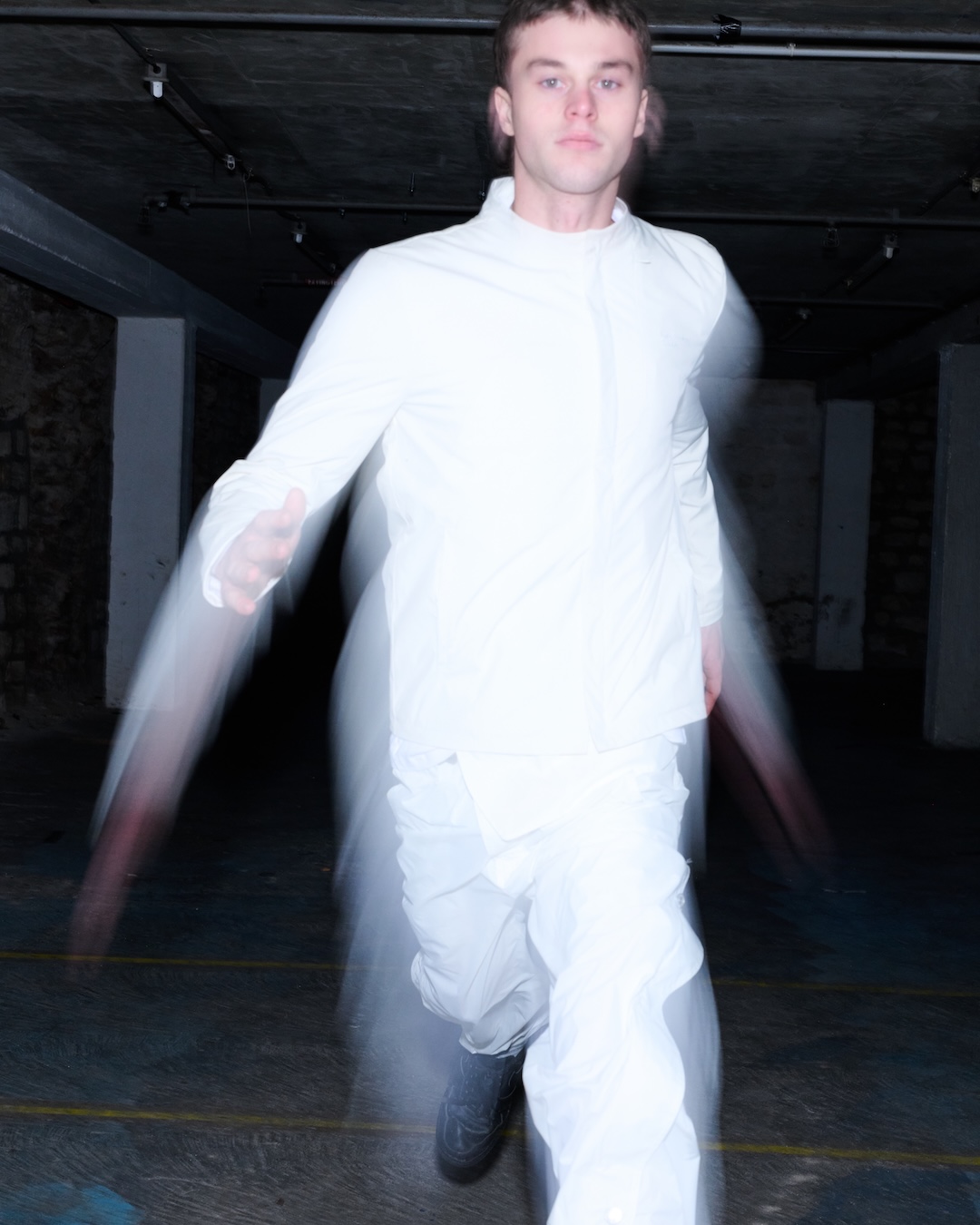
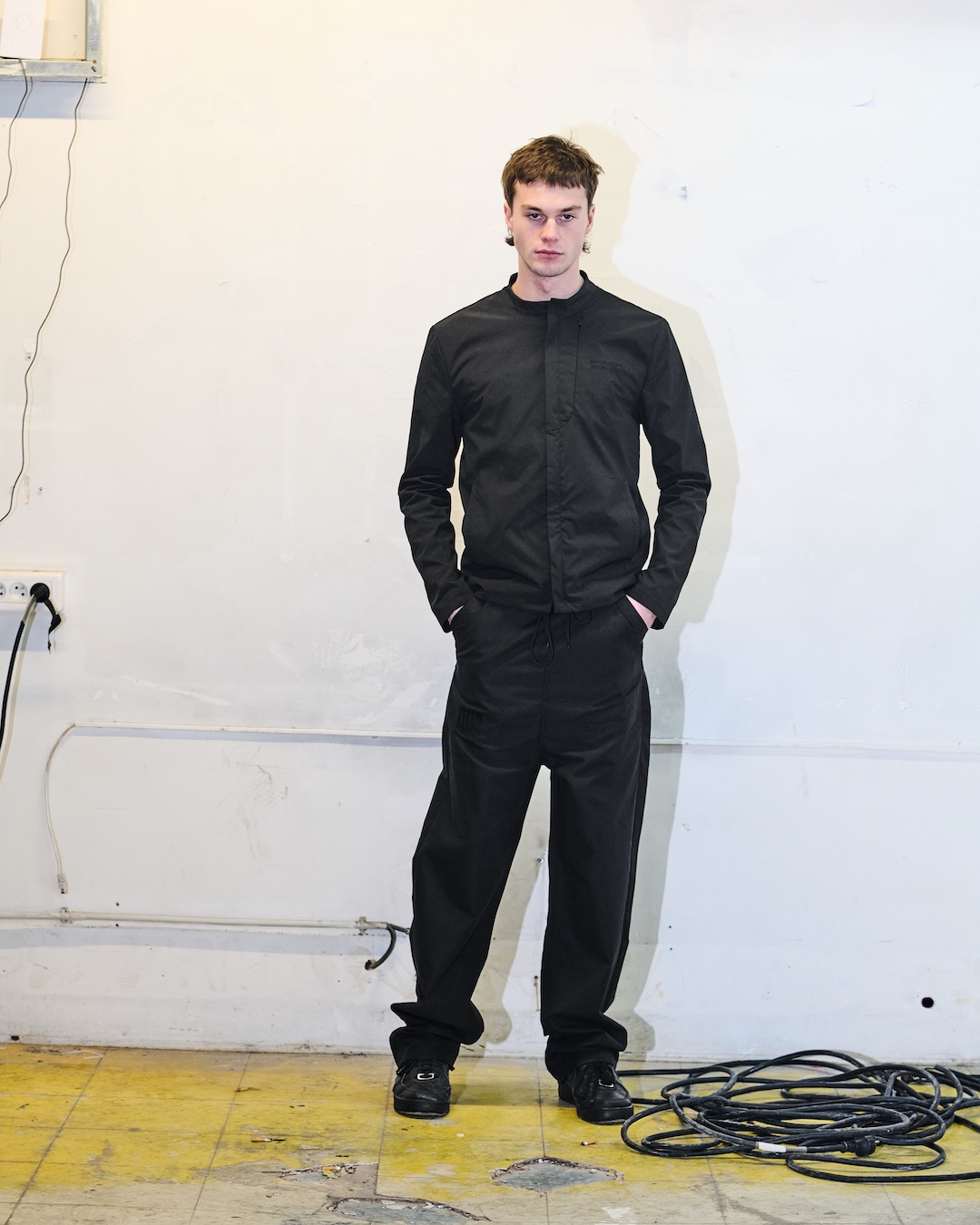
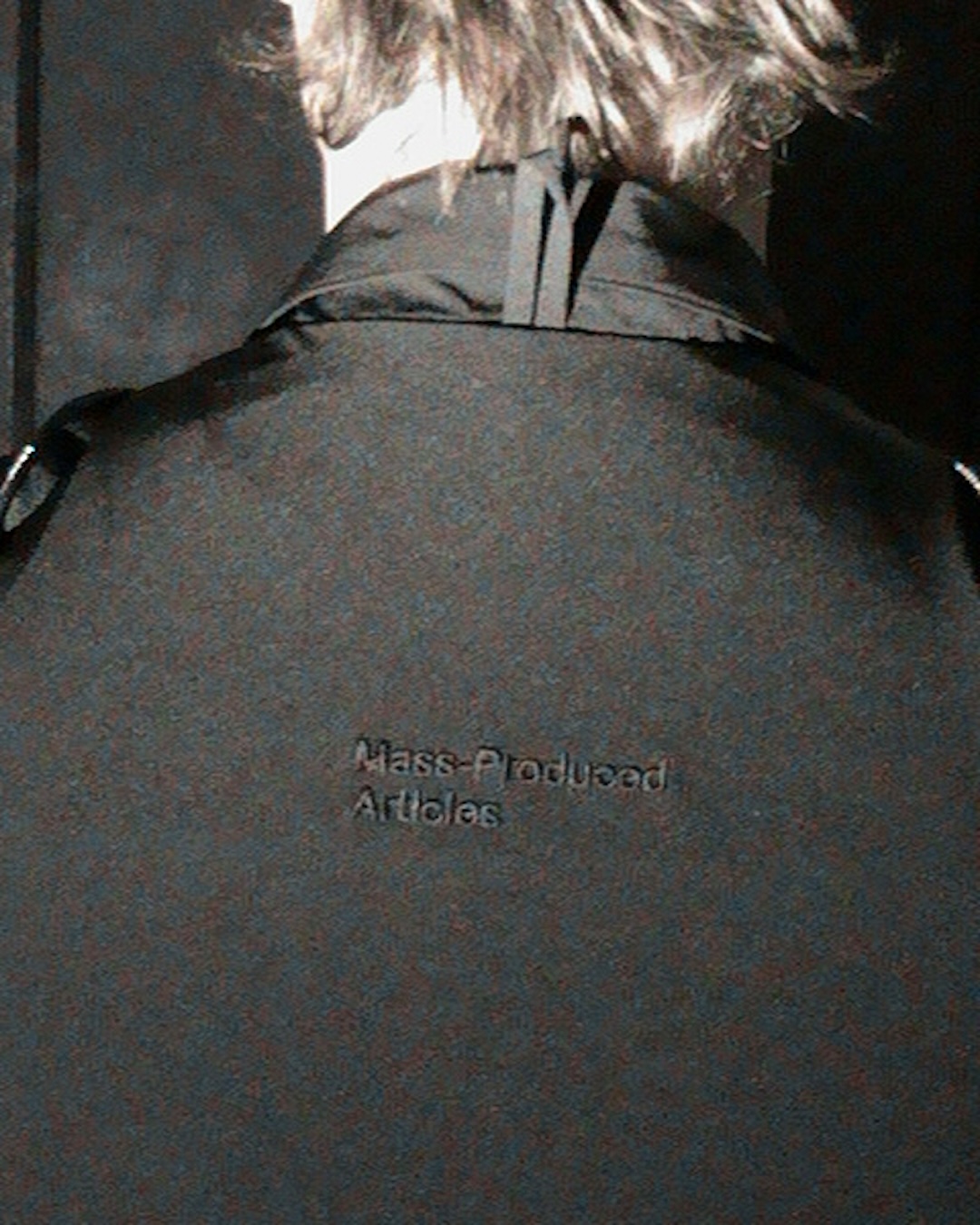
This logic becomes most visible in garments that appear functional while resisting complete practical justification. Pieces such as neck pillow integrated jackets or hiking packs preserve the formal codes of protection and equipment, yet their operation introduces displacement. A pillow integrated into a garment may offer micro recovery in moments of fatigue, creating brief physical release that allows perception to reset. At the same time, these structures remain slightly excessive, unstable, or only conditionally functional. Their role is not simply to solve a problem, but to create tension between expectation and breakdown.
This tension is where PLASTICPRODUCT locates a new definition of utility. Function no longer resides in stable performance, but in the simultaneous presence of recognition and collapse. A form still reads as useful, yet its purpose has already shifted elsewhere toward cognitive stability, perceptual recalibration, and the reorganization of pace. In this sense, the garments do not improve usability in a conventional way. Instead, they borrow the authority of function in order to approach sensibility more directly.
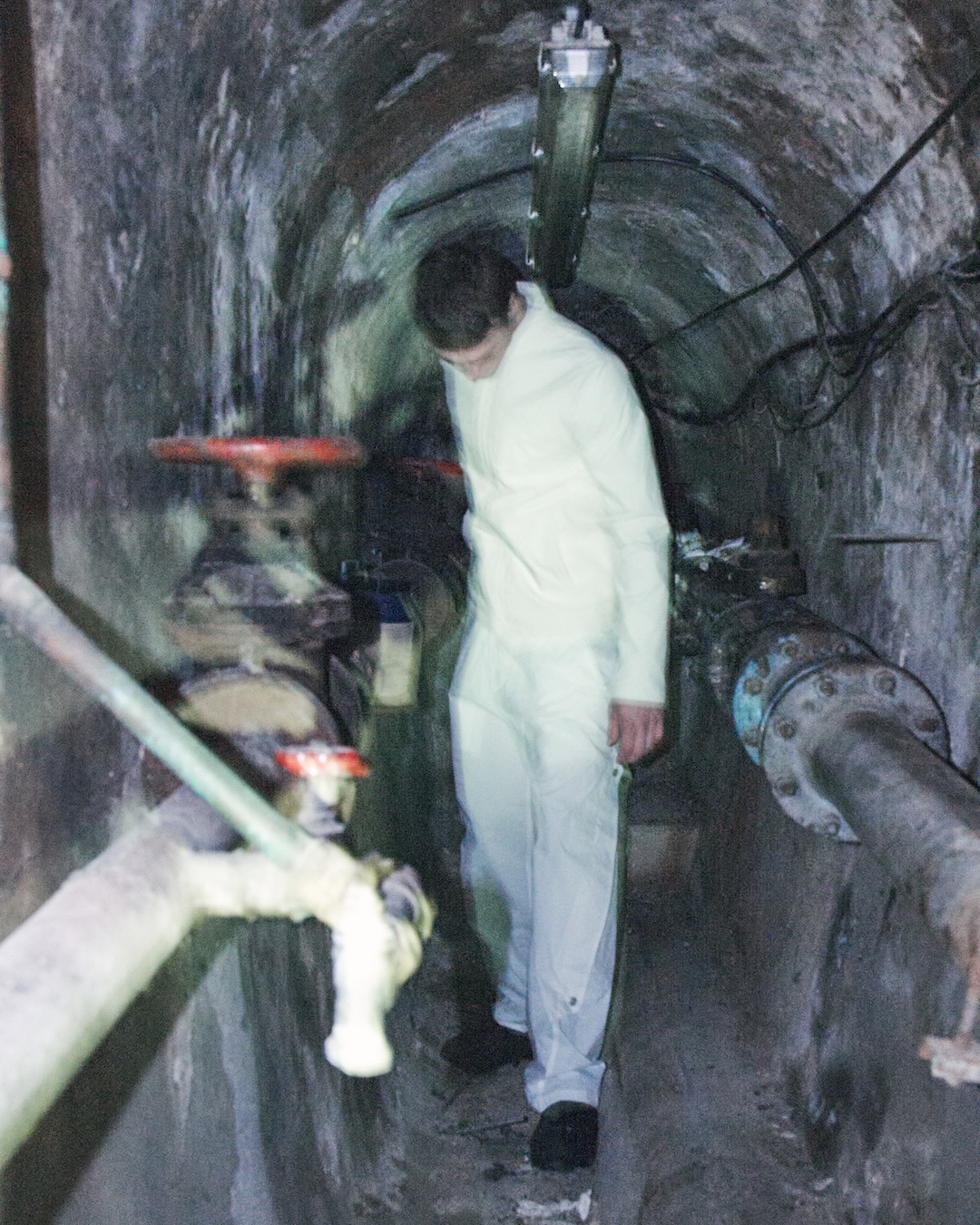
The result is a mode of clothing that exists between familiarity and estrangement. The wearer encounters workwear codes they already understand, but the logic beneath them no longer belongs solely to industrial protection. Instead, the garments operate as small systems that influence how one pauses, recovers, refocuses, and navigates psychological pressure.
For PLASTICPRODUCT, this is where fashion becomes most precise. It is not about making utility more efficient, but about redirecting the remaining codes of utility toward the contemporary conditions that destabilize the mind. Clothing becomes less about surviving the external environment and more about regulating one’s internal state within it.


Workwear for Cognitive Stability: PLASTICPRODUCT [MPa]
APRIL 2, 2026


This logic becomes most visible in garments that appear functional while resisting complete practical justification. Pieces such as neck pillow integrated jackets or hiking packs preserve the formal codes of protection and equipment, yet their operation introduces displacement. A pillow integrated into a garment may offer micro recovery in moments of fatigue, creating brief physical release that allows perception to reset. At the same time, these structures remain slightly excessive, unstable, or only conditionally functional. Their role is not simply to solve a problem, but to create tension between expectation and breakdown.
This tension is where PLASTICPRODUCT locates a new definition of utility. Function no longer resides in stable performance, but in the simultaneous presence of recognition and collapse. A form still reads as useful, yet its purpose has already shifted elsewhere toward cognitive stability, perceptual recalibration, and the reorganization of pace. In this sense, the garments do not improve usability in a conventional way. Instead, they borrow the authority of function in order to approach sensibility more directly.
The result is a mode of clothing that exists between familiarity and estrangement. The wearer encounters workwear codes they already understand, but the logic beneath them no longer belongs solely to industrial protection. Instead, the garments operate as small systems that influence how one pauses, recovers, refocuses, and navigates psychological pressure.
For PLASTICPRODUCT, this is where fashion becomes most precise. It is not about making utility more efficient, but about redirecting the remaining codes of utility toward the contemporary conditions that destabilize the mind. Clothing becomes less about surviving the external environment and more about regulating one’s internal state within it.